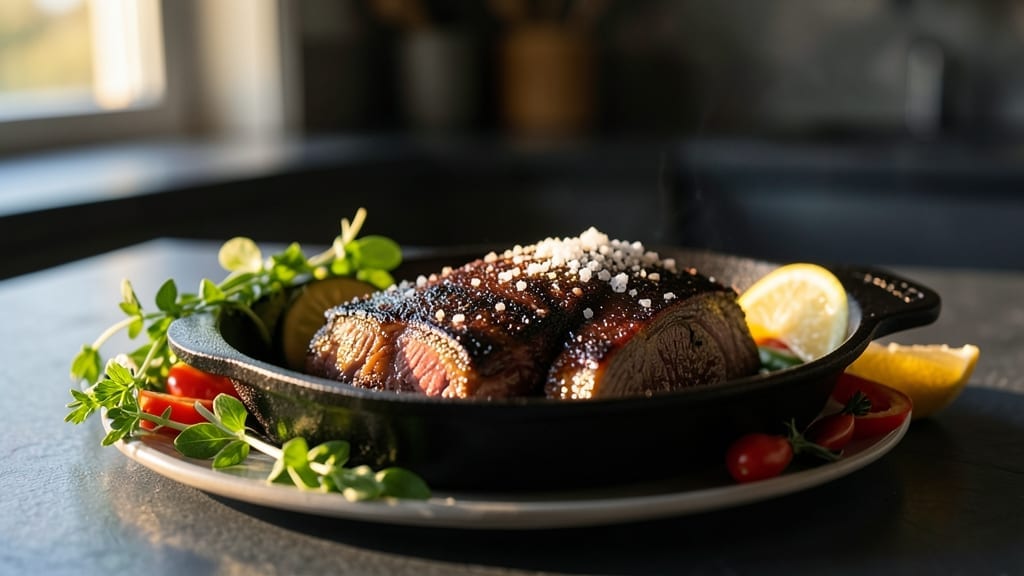
Mastering beef short ribs on a Traeger smoker transforms tough cuts into melt-in-your-mouth perfection—all it takes is patience, precise temperature control, and the right wood. This method guarantees fall-apart tenderness without drying out the meat, making it ideal for weekend projects or special occasions.
The secret lies in low-and-slow smoking followed by a high-heat sear, ensuring rich flavor and juicy results every time.
What sets this recipe apart is its foolproof technique designed specifically for Traeger smokers, where pellet choice and probe accuracy become your allies. Using hickory or cherry pellets creates a deep, smoky backbone, while maintaining a consistent 225°F temperature for six hours breaks down collagen into irresistible gelatin.
No fancy equipment required—just time and attention to detail, which pays off in restaurant-quality ribs at home.
The final result is beef so tender it practically dissolves with a fork, with a caramelized bark from the final sear and a sauce that clings to every bite. Serve with classic sides like roasted garlic mashed potatoes or tangy coleslaw to complete the meal.
This isn’t just another smoker recipe—it’s a game-changer for anyone looking to elevate their backyard cooking.
Whether you’re a seasoned pitmaster or new to smoking, this method delivers professional results without the guesswork. The key steps—proper trimming, consistent temperature, and the reverse sear—are all explained in detail to ensure success. Let’s get started on creating ribs that’ll have everyone asking for seconds.
Ingredients for beef short ribs recipe smoker traeger
Precision-cut beef short ribs and aromatic wood pellets form the foundation of this Traeger masterpiece.
| Ingredient | Amount | Notes |
|---|---|---|
| Beef Short Ribs 🥩 | 4 lb | Bone-in, 1.5-inch thick, trimmed of excess fat |
| Yellow Onion 🧅 | 1 whole | Yellow or red, sliced into 1/4-inch rings |
| Garlic Cloves 🧄 | 8 cloves | Peeled, smashed for maximum flavor |
| Fresh Rosemary 🌿 | ¼ cup | Finely chopped, fresh preferred |
| Fresh Thyme 🌿 | ¼ cup | Leaves only, stems removed |
| Kosher Salt 🧂 | 1 ½ tbsp | Diamond Crystal preferred, coarse grain |
| Black Peppercorns 🌶️ | 1 ½ tbsp | Freshly cracked, coarse grind |
| Smoked Paprika 🌶️ | 1 tbsp | High-quality, not pre-mixed |
| Brown Sugar 🍚 | 2 tbsp | Light or dark, packed lightly |
| Apple Cider Vinegar 🍎 | ½ cup | Unfiltered, for tangy depth |
| Beef Bone Broth 🥛 | 1 cup | Homemade or high-quality store-bought |
| Hickory Wood Pellets 🪵 | 1 lb | Traeger brand or equivalent |
| Cherry Wood Pellets 🍒 | ½ lb | For fruity undertones, optional |
| Unsalted Butter 🧈 | ½ cup | Cold, cubed for final sear |
[recipe_ingredient_scaler]
The ribs are non-negotiable—look for bone-in beef short ribs with 1.5-inch thickness at your butcher or specialty meat counter. Costco or Whole Foods consistently carry high-quality cuts, but local butchers often provide the best marbling. Trim any surface fat to 1/8-inch thickness to prevent flare-ups during smoking. For the wood pellets, Traeger’s own hickory is the gold standard, but Lumberjack or Cookshack brands work equally well. If you’re experimenting with fruitwoods, cherry adds subtle sweetness without overpowering the beef’s natural richness. Fresh herbs are critical here—Whole Foods or Trader Joe’s carry robust rosemary and thyme that hold up beautifully during the long cook.
No hickory pellets? Oak or pecan are excellent substitutes, though they’ll impart a slightly different character. Running out of apple cider vinegar? Balsamic vinegar at half the amount works in a pinch, though it adds a slightly sweeter note. For the bone broth, homemade is ideal, but Kirkland Signature or Pacific Foods brands are reliable store-bought options. The brown sugar can be swapped for white sugar, though it won’t caramelize as beautifully. If you’re short on time, pre-sliced onions from the refrigerated section at Walmart or Target work fine—just pat them dry thoroughly before using. For the final sear, ghee makes an excellent butter substitute if you’re avoiding dairy.
Store trimmed ribs in the fridge for up to 3 days before cooking, wrapped tightly in plastic wrap. The dry rub mixture keeps well in an airtight container for 2 weeks at room temperature. For the wood pellets, store them in a cool, dry place—never in the fridge, as moisture is their enemy. Leftover ribs reheat beautifully in a 350°F oven for 10-15 minutes with a splash of broth. If you’re planning ahead, ribs freeze exceptionally well for up to 3 months—thaw overnight in the fridge before smoking. The sauce can be made 2 days ahead and stored in the refrigerator, though it’s best when fresh.
Why You’ll Love This Recipe
- I’ll be real: most smoked ribs get boring after day two. But these? The ribs stay fork-tender, and the glaze gets even richer as it sits. Pack them up for lunch, and your coworkers will think you’re a culinary genius. (Spoiler: you just used beef bone broth and butter.)
- No Fuss Flavor Bomb: Honestly, this recipe is that kind of magic—you slap on a dry rub with fresh rosemary and thyme, let it sit overnight (or even just an hour), and boom, you’ve got flavor work done. The cracked peppercorns and smoked paprika? They cling to the ribs like glue, so you’re not left with dry rub dust on your countertop.
- Smoke-Sweet Perfection: Between the hickory’s bold punch and cherry wood’s subtle sweetness, these ribs hit that sweet spot every time. The garlic and onion tossed in during the final hour? They turn the smoke into a fragrant cloud that coats the meat, making each bite taste like a campfire hug—creamy, caramelized, and just a little tangy from that apple cider vinegar glaze.
- Leftovers That Feel Like a Treat: I’ll be real: most smoked ribs get boring after day two. But these? The ribs stay fork-tender, and the glaze gets even richer as it sits. Pack them up for lunch, and your coworkers will think you’re a culinary genius. (Spoiler: you just used beef bone broth and butter.)
Step-by-step instructions for smoked beef short ribs
Master this low-and-slow technique for ribs that practically melt in your mouth.
Prepare the Dry Rub and Season the Ribs
In a small bowl, combine the 1½ tablespoons kosher salt, 1½ tablespoons black peppercorns, 1 tablespoon smoked paprika, 2 tablespoons brown sugar, ¼ cup fresh rosemary, and ¼ cup fresh thyme. Crush the peppercorns lightly with a mortar and pestle or rolling pin to release their oils. Mix thoroughly until the dry ingredients are evenly distributed and the herbs are fully incorporated.
Pat the 4 lb beef short ribs dry with paper towels—this ensures maximum adhesion of the rub and promotes crisp bark formation. Apply the dry rub generously to all sides of the ribs, pressing firmly so it adheres well. Place the seasoned ribs on a wire rack set over a rimmed baking sheet and refrigerate uncovered for at least 1 hour (or up to 12 hours for deeper flavor penetration). This step is critical for achieving both flavor and texture.
Set Up the Traeger Smoker
Combine 1 lb hickory wood pellets and ½ lb cherry wood pellets in the Traeger pellet hopper. Preheat the smoker to 225°F with the lid closed and the air intake vent fully open. Allow 30-45 minutes for the smoker to stabilize and establish a steady stream of thin, blue smoke—this indicates proper combustion and readiness. Avoid opening the lid during this time, as temperature fluctuations can delay the cooking process.
While the smoker preheats, slice the 1 yellow onion into ¼-inch rings and peel the 8 cloves garlic, smashing them lightly with the side of a knife to release their juices. These aromatics will be added later to enhance the final sauce. The combination of hickory and cherry wood pellets creates a balanced smoke profile—hickory for depth and cherry for subtle sweetness that complements the ribs.
Smoke the Ribs Low and Slow
Place the seasoned ribs bone-side down on the smoker grates. Maintain a consistent temperature of 225°F throughout the cook. Smoke the ribs undisturbed for 4 hours, resisting the urge to check them frequently—each time you open the lid, you lose heat and moisture. After 4 hours, flip the ribs bone-side up and continue smoking for an additional 2 hours, or until they reach an internal temperature of 195°F at the thickest part of the meat.
During the final hour, add the sliced yellow onion and smashed garlic cloves to the smoker grates. This infuses the ribs with aromatic compounds that deepen their flavor. The ribs should have a dark, mahogany bark on the exterior and feel fork-tender when pierced. If the ribs stall in temperature (a common phenomenon around 165°F), this is normal—patience is key as the meat continues to break down.
Finish with Butter and Vinegar Glaze
Remove the ribs from the smoker and transfer them to a large, heatproof skillet placed over medium heat. Add the ½ cup apple cider vinegar and 1 cup beef bone broth to the skillet, scraping up any browned bits from the smoker grates. Let the liquid reduce by half—this creates a tangy, glossy glaze that enhances the ribs’ natural sweetness.
Increase the heat to medium-high and add the ½ cup unsalted butter, cubed. Tilt the skillet slightly and spoon the melted butter over the ribs for 2-3 minutes, basting them generously. The butter adds richness and helps create a caramelized crust on the surface. The ribs are now ready to be served—each bite should offer fall-apart tenderness with a perfect balance of smoky, sweet, and tangy flavors.
Pro Tips For Making Beef Short Ribs Recipe Smoker Traeger
- Crush Those Peppercorns: I learned this the hard way—skipping the mortar and pestle on the 1.5 tbsp black peppercorns means missing out on their full flavor punch. Lightly crush them to release those oils, or your rub will taste like it’s missing something. A rolling pin works in a pinch, but don’t overdo it—you’re not trying to make pepper dust.
- Bone-Side Down First: The ribs start bone-side down for a reason—it keeps them stable on the grates and lets the meat cook evenly. Flipping them too early (before the 4-hour mark) risks warping the bones and uneven cooking. Trust the process, even if it feels counterintuitive.
- Vinegar Reduction Matters: The 0.5 cup apple cider vinegar isn’t just for flavor—it’s the secret to that glossy glaze. Reduce it by half before adding the butter, or you’ll end up with a watery sauce instead of a sticky, tangy finish. Medium heat is key here; rush it, and you’ll burn the aromatics.
- Cold Butter = Better Sear: Toss those 0.5 cup unsalted butter cubes straight from the fridge into the skillet. Cold butter bastes the ribs more aggressively, creating a caramelized crust instead of just melting into the pan. Sounds weird, but it works—your future self will thank you.
Storing and reheating this recipe
Refrigerator Storage
After smoking, let your ribs rest for 10-15 minutes before transferring them to an airtight container—I use glass Pyrex storage boxes with tight-sealing lids. Store them in the fridge at 40°F or below for up to 3 days.
The natural juices redistribute beautifully during this time, intensifying the flavors. 💡
Oven Reheating Method
For best results, reheat ribs in a 350°F oven for 10-15 minutes until warmed through. Place them on a wire rack over a baking sheet to prevent sogginess.
Add 2 tablespoons beef bone broth to the pan to create steam, which helps maintain moisture. This method preserves the caramelized bark while ensuring even heating.
Stovetop Revitalization
If you prefer stovetop reheating, use a cast-iron skillet over medium-low heat. Add 1 tablespoon unsalted butter and 1 tablespoon apple cider vinegar to deglaze and create a quick glaze.
Baste the ribs for 2-3 minutes to revive their smoky aroma. This works best for smaller portions and adds a fresh finish.
Sauce Separation
If you want to save the butter-vinegar glaze for another meal, strain it through a fine-mesh sieve into a small jar and refrigerate for up to 5 days.
Reheat gently in a saucepan, adding a splash of broth to thin if needed. The flavors actually concentrate beautifully during storage, making it even more flavorful when reheated. 🍯
Leftovers Strategy
For leftovers, I recommend slicing the ribs against the grain before storing. This creates ¼-inch thick slices that reheat more evenly. Pack them in single-serving portions for quick meals—just add a side of roasted potatoes or coleslaw to recreate that full Traeger feast experience.
The ribs keep their tenderness when sliced properly!
Nutrition facts
Frequently asked questions
Why does the recipe specify a 12-hour maximum for the ribs to sit with the dry rub?
The 12-hour max prevents the meat from absorbing too much moisture, which could make it mushy. While 1 hour ensures good adhesion, longer than 12 hours risks over-soaking the surface. This balance creates a perfect crisp bark while infusing deep flavor—ideal for Traeger’s low-and-slow method.
What if my Traeger struggles to maintain 225°F consistently?
If temps fluctuate, check your air intake vent—it should be fully open for stable airflow. Add 10-15 minutes to your cook time if needed, and avoid opening the lid during the first 4 hours. A pellet tube cleaner can also help if clogs are causing instability. Patience is key—Traeger smokers need time to stabilize.
Can I use all hickory pellets instead of mixing with cherry?
Yes! Pure hickory works well, but cherry adds subtle sweetness that complements the beef beautifully. If you prefer bold smokiness, stick with 1 lb hickory alone. The ½ lb cherry is optional—it’s just there to enhance the flavor profile for those who enjoy fruitwood notes.
What’s the best way to check if the ribs are done without a meat probe?
Pierce the thickest part with a fork—if the meat pulls away easily and the juices run clear (not pink), they’re ready. Also look for a dark, mahogany bark and fork-tender texture. The internal temp should reach 195°F, but visual cues work well when you’re confident in your Traeger’s consistency.
Why does the recipe call for flipping the ribs after 4 hours?
Flipping after 4 hours ensures even cooking and bark development on both sides. The first 4 hours cooks the meat thoroughly, while the next 2 hours finishes the bark and infuses smoke into the fat cap. This two-phase approach guarantees tenderness and flavor penetration—critical for Traeger’s low-and-slow magic.

Trained in classic French technique but raised on slow-cooked ribs and spicy rubs, she blends culinary skill with smoke and soul.
- Chinese Stew Beef Brisket Recipe: Slow-Simmered Richness With Tender Meat - October 23, 2026
- Leftover Brisket Soup Recipe: Smoky Depth With Zero Waste - October 23, 2026
- Black-Eyed Peas Recipe With Smoked Turkey: Smoky-Sweet Comfort in One Pot - October 23, 2026