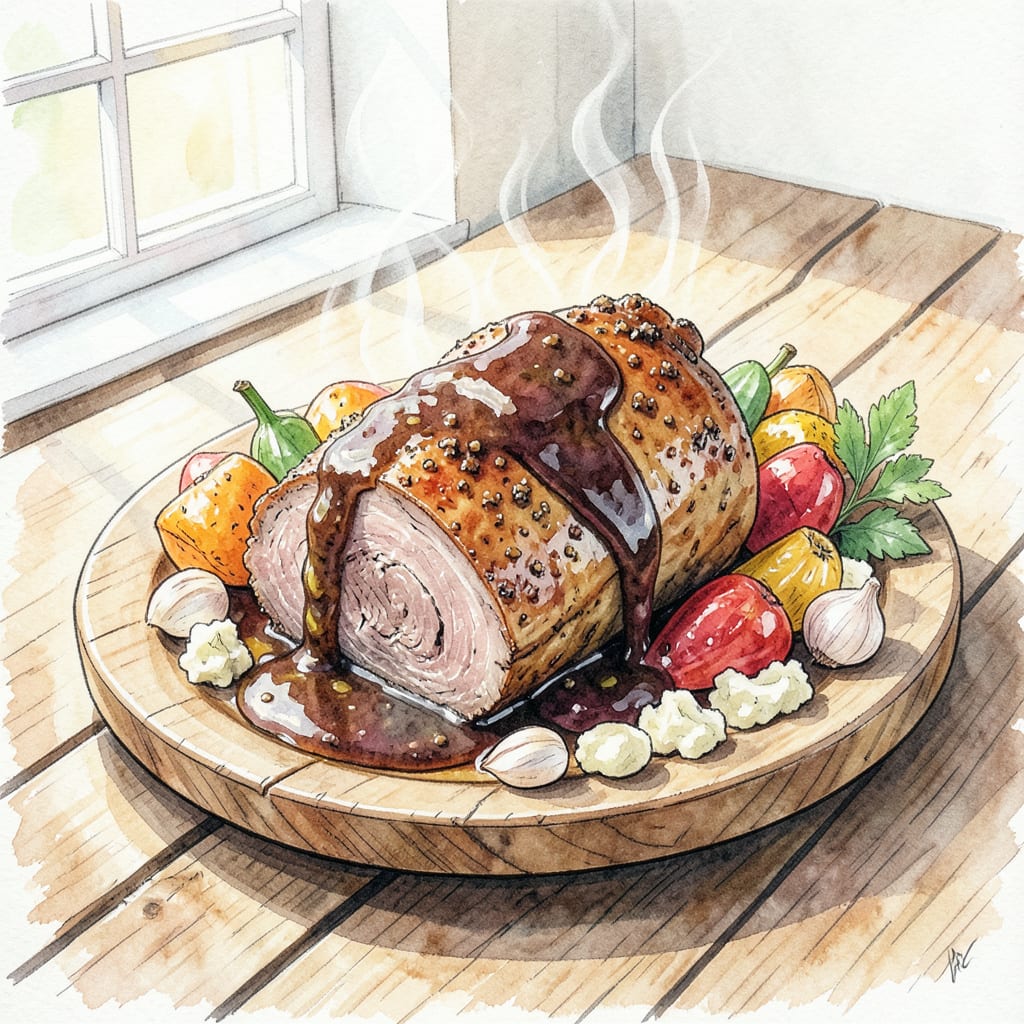
I’ve perfected my beef shoulder clod recipe through years of slow-cooking experimentation. The key to tender results lies in low and slow cooking – we’re talking 225°F for several hours. This breaks down the tough connective tissues, resulting in melt-in-your-mouth texture.
To achieve this, season the clod liberally with your favorite rub, then let it rest before placing it in a smoker or oven. The payoff is worth the wait: a tender, flavorful beef shoulder clod that’s perfect for slicing thin against the grain. Serve with your favorite sides, like creamy mashed potatoes or roasted vegetables, for a comforting meal.
Ingredients for Beef Shoulder Clod
Slow-cooked to perfection, this beef shoulder clod is tender and full of flavor.
| Ingredient | Amount | Notes |
|---|---|---|
| Beef Shoulder Clod 🥩 | 2 ½ lb | Trimmed of excess fat |
| Dry Rub 🌶️ | ¼ cup | Your favorite blend |
| Olive Oil 🫒 | 2 tbsp | For coating meat |
| Beef Broth 🍜 | 1 cup | Low sodium preferred |
| Worcestershire Sauce 🧂 | 2 tbsp | Adds depth of flavor |
| Garlic Cloves 🧄 | 4 cloves | Minced |
| Onion 🧅 | 1 whole | Sliced |
| Carrots 🥕 | 2 whole | Peeled and sliced |
| Celery Stalks 🥦 | 2 pieces | Sliced |
| Salt 🧂 | 1 tsp | Kosher or sea salt |
| Black Pepper 🌶️ | ½ tsp | Freshly ground |
| Bay Leaves 🌿 | 2 whole | Optional, for flavor |
[recipe_ingredient_scaler]
The beef shoulder clod is the star here. Look for a 2-3 pound piece at your local butcher or Costco. Trim any excess fat if needed. I like to use a mix of Kosher salt, brown sugar, and smoked paprika for the dry rub—feel free to experiment with your favorite blend. For the best flavor, let the meat rest at room temperature for about an hour before cooking to help it cook more evenly.
No smoker? No problem. Your oven works great at 225°F. If you have a Dutch oven, that’s even better. The key is low and slow cooking. You can substitute beef broth with red wine or additional stock for different flavor profiles. For a richer sauce, reduce the cooking liquid on the stovetop after shredding the meat. Some like to add potatoes or parsnips to the cooking vessel for a complete meal.
This dish keeps beautifully—4-5 days in the fridge, 3 months frozen. Reheat gently in the oven or on the stovetop. Slice against the grain for the most tender bites. If you’re freezing, portion into individual containers so you can grab a quick meal whenever you need it.
Step-by-Step Instructions for Tender Beef Shoulder Clod
Follow these detailed steps to achieve perfectly tender beef shoulder clod every time.
Step 1: Prepare the Meat and Vegetables
Start by trimming any excess fat from the 2.5 lb Beef Shoulder Clod if needed. I like to keep some fat for flavor, but too much can make the dish greasy. Coat the meat evenly with the 0.25 cup Dry Rub, pressing it into the meat to ensure it adheres well. Meanwhile, prepare the vegetables: slice the 1 whole Onion, peel and slice the 2 whole Carrots, and slice the 2 pieces Celery Stalks. Mince the 4 cloves Garlic Cloves and set aside.
The key here is to make sure everything is ready to go before you start cooking. Having all your ingredients prepped and within reach makes the cooking process smoother and more efficient.
Step 2: Sear the Beef Shoulder Clod
Heat 2 tbsp Olive Oil in a large Dutch oven over medium-high heat. When the oil is hot and shimmering, add the beef shoulder clod. Sear the meat on all sides until it’s nicely browned, which should take about 5 minutes per side. This step is crucial for developing the flavor. Once browned, remove the meat from the pot and set it aside.
You’ll notice a rich, caramelized crust forming on the meat. This is exactly what you’re aiming for—it adds depth to the final dish.
Step 3: Sauté the Vegetables
In the same Dutch oven, add the sliced 1 whole Onion, 2 whole Carrots, and 2 pieces Celery Stalks. Cook over medium heat until the vegetables are softened and lightly browned, stirring occasionally. This should take about 8-10 minutes. Add the minced 4 cloves Garlic Cloves and cook for another 1-2 minutes until fragrant.
The vegetables will start to release their natural sweetness and mix with the browned bits from the meat, creating a flavorful base for your dish.
Step 4: Braise the Beef Shoulder Clod
Return the browned beef shoulder clod to the Dutch oven, nestling it among the vegetables. Pour in 1 cup Beef Broth and 2 tbsp Worcestershire Sauce, making sure the liquid comes about halfway up the side of the meat. Add 1 tsp Salt, 0.5 tsp Black Pepper, and 2 whole Bay Leaves. Bring the mixture to a simmer, then cover the pot.
Transfer the covered Dutch oven to a preheated oven at 300°F. Braise the beef for 2.5-3 hours until it’s tender and easily shreds with a fork. The slow cooking process breaks down the connective tissues, resulting in tender, fall-apart meat.
Step 5: Rest and Serve
Once the beef is done, remove it from the pot and let it rest for 15-20 minutes before slicing. Strain the braising liquid to remove the vegetables and bay leaves, then skim off any excess fat. Slice the beef against the grain and serve with the rich, flavorful sauce spooned over the top.
The resting period allows the juices to redistribute, ensuring that each slice is moist and full of flavor. Serve hot and enjoy the tender, delicious results.
Best Sauces and Condiments for This Dish
Classic BBQ Sauce
A traditional BBQ sauce is a timeless companion to beef shoulder clod. I recommend a thick, molasses-based sauce with a balance of sweet, tangy, and smoky flavors. Try pairing with a Kansas City-style BBQ sauce for that authentic slow-smoked taste. The sweetness complements the savory beef beautifully. 🌶️
Spicy Tex-Mex Marinade
For a bold twist, try a spicy Tex-Mex marinade made with chipotle peppers, lime juice, and cumin. This adds a smoky heat that pairs perfectly with the richness of beef. I like to brush this on during the last 30 minutes of cooking for an extra kick.
Herb-Infused Au Jus
For a more refined accompaniment, serve your beef shoulder clod with an herb-infused au jus. Use the cooking liquid as a base, then add fresh thyme and rosemary for aromatic depth. Strain before serving to remove solids. This elegant touch elevates the dish to dinner party status.
Horseradish Cream Sauce
A creamy horseradish sauce provides a nice contrast to the tender beef. Mix prepared horseradish with sour cream and a squeeze of lemon juice. The heat from the horseradish cuts through the richness of the meat, creating a balanced flavor profile. Adjust the heat level to your liking.
Regional Variations
Different regions offer unique sauce options. For example, a Carolina-style vinegar-based sauce adds a tangy brightness, while a Memphis-style dry rub with paprika provides a robust flavor. Experiment with various regional styles to find your favorite pairing.
Customizing Your Sauce
Nutrition Facts

Trained in classic French technique but raised on slow-cooked ribs and spicy rubs, she blends culinary skill with smoke and soul.
- Recipe for Boneless Pork Chops in Cast Iron Skillet: Sear and Baste to Juicy Perfection - October 3, 2026
- Recipe for Boneless Cross Rib Roast: Slow-Roasted Beef with Herb Crust - October 3, 2026
- Hamburgers in Sauce Recipe Crock Pot: Slow-Cooked Savory Delight - October 3, 2026