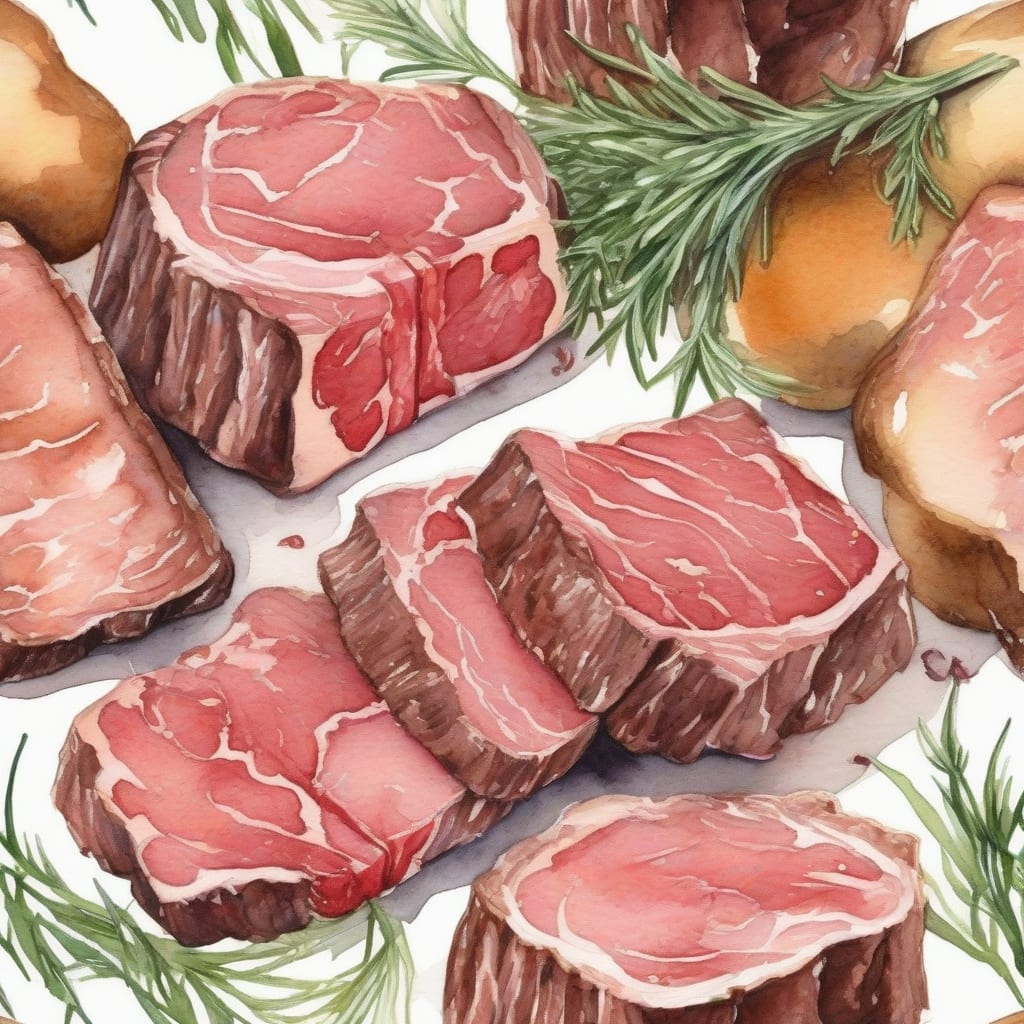
Beef suet transforms ordinary dishes into rich, tender delights. I use it to create comforting meals that warm the soul. The key is slow cooking, which allows the suet to melt and infuse the dish with deep, savory flavors.
This beef suet recipe results in tender, fall-apart texture that’s sure to impress. By cooking it low and slow, you’ll achieve perfectly cooked meat surrounded by a rich, unctuous sauce. The result is a deeply satisfying meal.
Perfect for special occasions or cozy family dinners, this dish is sure to become a new favorite. Serve with mashed potatoes or roasted vegetables to soak up the delicious juices. Let’s get started!
Ingredients for beef suet
Here’s everything you need to make tender beef brisket with rich suet.
| Ingredient | Amount | Notes |
|---|---|---|
| Beef Suet 🥩 | 1 lb | Hard beef fat from around kidneys |
| Beef Brisket 🥩 | 2 ½ lb | Flat cut, trimmed of excess fat |
| Onion 🧅 | 1 whole | Sliced into thick rings |
| Garlic Cloves 🧄 | 4 cloves | Peeled and minced |
| Carrots 🥕 | 2 whole | Peeled and sliced |
| Celery Stalks 🥦 | 2 whole | Sliced into 1-inch pieces |
| Beef Broth 🍜 | 2 cups | Low-sodium preferred |
| Red Wine 🍷 | 1 cup | Dry red wine like Cabernet |
| Tomato Paste 🍅 | 2 tbsp | Concentrated paste |
| Worcestershire Sauce 💧 | 1 tbsp | Adds depth of flavor |
| Thyme Sprigs 🌿 | 4 sprigs | Fresh thyme preferred |
| Bay Leaves 🌿 | 2 whole | Dried bay leaves |
| Black Pepper 🌶️ | 1 tsp | Freshly ground preferred |
[recipe_ingredient_scaler]
For the best beef suet, ask your butcher for hard fat from around the kidneys—this type melts perfectly during slow cooking. You can also find it at specialty butcher shops or higher-end grocery stores like Whole Foods. Look for deep red color and firm texture. Costco often has good prices on beef brisket, which is the ideal cut for this recipe.
If you can't find beef suet, you can substitute with beef tallow or even lard for a different flavor profile. For the red wine, any dry variety works well—Cabernet Sauvignon or Merlot are good choices. Don't have thyme? Use dried thyme at one-third the amount or substitute with rosemary or oregano. For a spicier version, add a pinch of red pepper flakes.
Store leftover brisket in an airtight container in the refrigerator for up to 3 days. Reheat slowly in the oven with some of the cooking liquid to maintain moisture. You can also freeze individual portions for up to 3 months—just thaw overnight in the fridge before reheating. Keep the beef suet in the freezer until ready to use to maintain freshness.
Step-by-Step Instructions for Beef Suet Recipe
Let me guide you through the process of creating this rich and tender beef suet recipe.
🔥 Step 1: Prepare the Ingredients
Start by prepping all the vegetables. Slice the 1 whole Onion into thick rings, making sure they’re uniform so they cook evenly. Peel and mince the 4 cloves Garlic Cloves, releasing their aroma as you chop. Peel and slice the 2 whole Carrots into ¼-inch thick pieces, and cut the 2 whole Celery Stalks into 1-inch pieces. Having all ingredients ready will streamline the cooking process.
Next, prepare the brisket. Trim any excess fat from the 2.5 lb Beef Brisket, if needed, and season it with 1 tsp Black Pepper, making sure to coat it evenly. Let it sit at room temperature for 30 minutes before cooking to ensure even cooking.
🍳 Step 2: Sear the Brisket
Heat a large Dutch oven over medium-high heat. Add a couple of tablespoons of oil to the pot and sear the brisket on both sides until it’s browned, about 2-3 minutes per side. Remove the brisket from the pot and set it aside. The browning will add a rich flavor to the dish.
Reduce the heat to medium and add the sliced onion to the pot. Cook until it’s softened and lightly browned, about 5 minutes. Add the minced garlic and cook for another minute, stirring constantly to prevent burning. The aroma of garlic and onion will fill the kitchen, signaling that the dish is coming together.
🥘 Step 3: Slow Cook the Brisket
Add the 2 cups Beef Broth, 1 cup Red Wine, 2 tbsp Tomato Paste, and 1 tbsp Worcestershire Sauce to the pot, scraping up any browned bits from the bottom. Return the brisket to the pot, along with the sliced carrots and celery. Add the 4 sprigs Thyme Sprigs and 2 whole Bay Leaves. Bring the mixture to a simmer, then cover the pot.
Transfer the pot to a preheated oven at 300°F and cook for 3-4 hours, or until the brisket is tender and easily shreds with a fork. The slow cooking process will break down the connective tissues, making the brisket incredibly tender.
⏰ Step 4: Finish and Serve
Remove the pot from the oven and let it cool slightly. Remove the brisket from the pot and let it rest for 10-15 minutes before slicing it against the grain. Strain the sauce through a fine-mesh sieve into a clean pot, discarding the solids. Skim any excess fat from the surface of the sauce and simmer it over medium heat until it’s reduced and thickened, about 10-15 minutes.
Slice the brisket and serve it with the rich, flavorful sauce spooned over the top. The tender brisket and savory sauce will make this dish a standout. Enjoy the fruits of your labor!
Beef suet is a versatile ingredient that can be used in a variety of dishes, from savory puddings to flaky pastry crusts. To get started with this rich and tender delight, you’ll need to render the suet, which involves melting it down to separate the fat from any impurities. 🔥
Step 1: Prep the Suet 🔪
Begin by finely chopping the beef suet into small pieces. This will help it melt more evenly when you render it. You can also ask your butcher to provide you with pre-chopped suet if you’re short on time.
Step 2: Render the Suet 🍳
Place the chopped suet in a large saucepan over low heat. As the suet melts, stir occasionally to prevent it from sticking to the pan. Continue heating until the suet has fully melted and the fat has separated from any impurities.
Step 3: Strain the Suet ⏰
Remove the saucepan from the heat and let it cool slightly. Then, strain the melted suet through a fine-mesh sieve or cheesecloth into a clean container. Discard the solids and reserve the rendered fat for use in your recipe.
Some popular uses for rendered beef suet include making traditional British puddings, such as steak and kidney pudding, or using it as a flaky pastry crust for savory pies. You can also use it to add richness to soups and stews. 💡
- Use rendered beef suet within a few days, or store it in the fridge for up to 6 months.
- Rendered suet can be frozen for up to a year, making it a great ingredient to have on hand.
By following these simple steps, you can unlock the rich, tender flavor of beef suet in your cooking. Experiment with different recipes and enjoy the depth of flavor it adds to your dishes! 😋
Tips & Tricks for Perfect Beef Suet
These tried-and-tested tips will help you achieve tender and flavorful beef suet every time.
Temperature Control: Make sure to let the brisket sit at room temperature for 30 minutes before cooking to ensure even cooking. Also, use a meat thermometer to check the internal temperature of the brisket. It should reach 190°F for tender results.
Slow Cooking: The slow cooking process is crucial for tender brisket. Cook it in a preheated oven at 300°F for 3-4 hours, or until it’s tender and easily shreds with a fork. You can also cook it on low heat on the stovetop or in a slow cooker.
Reducing the Sauce: After straining the sauce, simmer it over medium heat until it’s reduced and thickened, about 10-15 minutes. This will intensify the flavors and create a rich, velvety sauce. Be patient and stir occasionally to prevent burning.
Resting the Brisket: Let the brisket rest for 10-15 minutes before slicing it against the grain. This allows the juices to redistribute, making the brisket even more tender and flavorful.
Nutrition Facts
540kcal
This rich beef suet recipe is a hearty, comforting dish that’s packed with tender beef and flavorful vegetables. You’ll love how the slow-cooked suet adds a delicious richness to the broth. The combination of beef brisket, fresh thyme, and bay leaves creates a truly satisfying meal.
The beef suet provides a significant amount of fat, making this dish high in calories but also rich in flavor. You’ll get a good amount of protein from the beef brisket, while the vegetables add some dietary fiber. The dish is also a good source of essential minerals from the broth.
While this dish is rich and satisfying, it’s best enjoyed in moderation due to its high fat content. Pair it with some lighter sides or vegetables to balance out your meal. You’ll find that the tender beef and rich broth make it a memorable dining experience worth savoring.
[recipe_ingredient_scaler]

Trained in classic French technique but raised on slow-cooked ribs and spicy rubs, she blends culinary skill with smoke and soul.
- Recipe for Boneless Pork Chops in Cast Iron Skillet: Sear and Baste to Juicy Perfection - October 3, 2026
- Recipe for Boneless Cross Rib Roast: Slow-Roasted Beef with Herb Crust - October 3, 2026
- Hamburgers in Sauce Recipe Crock Pot: Slow-Cooked Savory Delight - October 3, 2026