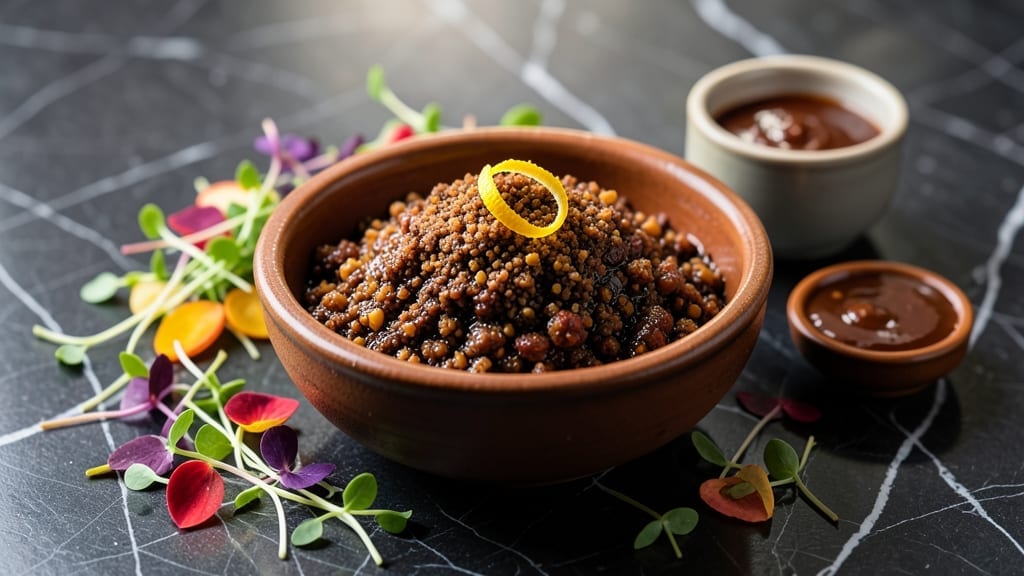
Mastering a beef tenderloin rub recipe transforms a simple steak into a showstopping centerpiece that commands attention at any table. This deep-smoked spice blend penetrates the meat’s surface, creating a crust that locks in moisture while delivering layers of flavor—smoky, sweet, and savory—that elevate every bite.
I developed this blend after years of testing, refining it to ensure perfect balance without overpowering the beef’s natural elegance.
The secret lies in the precise ratio of spices: coarse salt for texture, black pepper for heat, brown sugar for caramelization, and smoked paprika for depth. A touch of garlic powder and onion powder adds aromatic complexity, while a pinch of cayenne brings subtle heat.
This rub works equally well for grilling, roasting, or smoking, making it versatile for any cooking method. The result? A steak with an irresistible crust that yields to tender, juicy meat beneath.
What makes this recipe stand out is its ability to deliver restaurant-quality tenderness with minimal effort. The spices adhere perfectly to the beef’s surface, creating a flavorful bark that seals in moisture during cooking.
Whether you’re hosting a dinner party or treating yourself to a special meal, this rub ensures your tenderloin will be the star of the show. Let’s get started on crafting the perfect blend.
Once you’ve created the rub, apply it generously to the steak at least 4 hours before cooking—overnight is ideal—for maximum flavor penetration. Pair it with a simple red wine reduction or herb butter to complement the smoky-sweet profile.
The possibilities for presentation and plating are endless, making this rub a game-changer for any steak lover.
Ingredients for beef tenderloin rub
A symphony of spices and aromatics designed to transform beef tenderloin into a restaurant-worthy masterpiece.
| Ingredient | Amount | Notes |
|---|---|---|
| Beef Tenderloin 🥩 | 2 lb | Center-cut, trimmed of fat |
| Coarse Kosher Salt 🧂 | ½ cup | Diamond Crystal preferred |
| Freshly Ground Black Pepper 🌶️ | 2 tbsp | Cracked peppercorns preferred |
| Light Brown Sugar 🍯 | ¼ cup | Packed, turbinado preferred |
| Smoked Paprika 🌶️ | 2 tbsp | High-quality, Spanish preferred |
| Garlic Powder 🧄 | 1 tbsp | Freshly ground preferred |
| Onion Powder 🧅 | 1 tbsp | Finely ground, no additives |
| Cayenne Pepper 🔥 | ½ tsp | Adjust for heat preference |
| Extra-Virgin Olive Oil 🫒 | 1 tbsp | For even coating |
| Fresh Rosemary 🌿 | 1 tbsp | Finely chopped, fresh preferred |
| Fresh Thyme 🌿 | 1 tbsp | Leaves only, fresh preferred |
| Red Wine Vinegar 🍷 | 1 tsp | For balancing sweetness |
[recipe_ingredient_scaler]
The beef tenderloin should be center-cut and trimmed of any visible fat or silver skin—this ensures an even cooking surface and optimal flavor penetration. For the best results, purchase from a reputable butcher or high-end grocery store like Whole Foods or D’Artagnan, where they can source premium cuts. The spices are the heart of this rub, so invest in quality: Penzeys Spices or Burlap & Barrel carry exceptional smoked paprika and freshly ground peppercorns. Brown sugar should be packed firmly into the measuring cup—turbinado or demerara adds a subtle caramel note that enhances the crust. Fresh herbs like rosemary and thyme should be vibrant green, with no wilting or browning, indicating peak freshness. If using dried herbs, reduce the amount to one-third of the fresh quantity to avoid overpowering the delicate beef flavor.
No smoked paprika? A blend of regular paprika and a pinch of liquid smoke can replicate the depth, though it won’t be identical. Substitute brown sugar with an equal amount of maple syrup for a deeper caramelization, though the texture will differ slightly. For those avoiding cayenne, omit it entirely or replace with a pinch of sweet paprika for warmth without heat. If you’re short on fresh herbs, dried will work in a pinch, but the flavor will be less vibrant. The olive oil acts as a binder—if you’re concerned about calories, reduce it to 1 teaspoon and rely on the vinegar for moisture. For a deeper smoky flavor, add 1/2 teaspoon of chipotle powder (adjust heat preference accordingly). Always measure spices by volume, not weight, for consistency in this recipe.
Store the dry rub components in an airtight container in a cool, dark place for up to 6 months, though freshly ground spices will yield the best results. The fresh herbs should be wrapped in damp paper towels and stored in a sealed container in the refrigerator for up to 5 days. To prepare the tenderloin, apply the rub generously in a thin, even layer, ensuring full coverage. For maximum flavor penetration, apply the rub at least 4 hours before cooking, or overnight for best results. The rub can be stored in the refrigerator for up to 1 week once mixed with olive oil and vinegar, though it’s best used fresh for optimal adhesion and flavor.
Why You’ll Love This Recipe
- No Mess, Just Magic: Honestly, this rub takes five minutes to toss together—just whisk, fold, and press. No blenders, no fancy tools. The coarse kosher salt and brown sugar cling like glue once you pat the tenderloin dry, and that little drizzle of olive oil makes it stick effortlessly. I’ve done it on a Tuesday night with kids underfoot, and it still turns out restaurant-worthy.
- Smoky Sweet Perfection: The smoked paprika and brown sugar caramelize into this buttery crust while the garlic powder and fresh thyme keep it bright. That cayenne pepper? Just enough heat to make your taste buds dance without overpowering. My daughter picks out the rosemary from the garden, but she still asks for seconds because the juicy center and crispy edges hit all the right notes.
- Host’s Secret Weapon: This isn’t just for weeknight dinners—it’s my go-to for holiday feasts, potlucks, or even a fancy dinner party. Slice the tenderloin into medallions for quick sear-and-plate meals, or roast it whole for a showstopping centerpiece. The rub’s bold flavors stand up to wine pairings, creamy sauces, or even just a sprinkle of fresh parsley. Trust me, it’s the kind of dish that makes you look like a pro.
- Make-Ahead Masterpiece: The dry rub keeps for months in an airtight jar, so you can grab it anytime you’re craving that smoky-sweet kick. And the fresh herbs? Just chop them the day before and store them damp in the fridge for up to five days. Need to feed a crowd? Double the recipe—it’s that simple. I’ve even used leftovers to season grilled chicken or roasted potatoes, and honestly, it works every time.
Step-by-step instructions for beef tenderloin rub preparation
Master this deep-smoked spice blend to elevate your steak into a showstopping centerpiece.
Combine Dry Ingredients for Even Distribution
In a medium mixing bowl, measure out the ½ cup coarse kosher salt, 2 tbsp freshly ground black pepper, ¼ cup light brown sugar, 2 tbsp smoked paprika, 1 tbsp garlic powder, 1 tbsp onion powder, and ½ tsp cayenne pepper. This combination creates a balanced profile of saltiness, sweetness, and subtle heat that will penetrate the beef tenderloin deeply.
Use a whisk to thoroughly blend the dry ingredients until no individual specks remain. The coarse texture of the kosher salt will help the rub adhere to the meat’s surface later. I recommend using a fine-mesh sieve to sift the mixture over the bowl if you prefer an even finer distribution, though the whisk method works perfectly for this application.
Incorporate Fresh Herbs and Acidic Balance
Add the 1 tbsp finely chopped fresh rosemary, 1 tbsp fresh thyme leaves, and 1 tsp red wine vinegar to the dry mixture. The vinegar serves a dual purpose here: it acts as a natural binder to help the rub cling to the meat’s surface while also providing a bright acidity that cuts through the richness of the beef and sweetness of the brown sugar.
Using clean hands, gently fold these ingredients into the dry mixture until fully incorporated. The fresh herbs should be finely minced to ensure even distribution throughout the rub. If you notice the mixture becoming too dry, you can lightly mist it with 1 tbsp extra-virgin olive oil to help it bind together better when applied to the meat.
Apply the Rub to the Beef Tenderloin
Pat the 2 lb center-cut beef tenderloin dry with paper towels to remove any surface moisture. This step is crucial as moisture prevents the rub from adhering properly. Place the tenderloin on a wire rack set over a baking sheet to allow air circulation on all sides during the rubbing process.
Using your hands, press the spice mixture firmly into every inch of the beef’s surface. Focus on the sides and ends where the rub tends to accumulate, ensuring even coverage. The olive oil in the mixture will help the rub stick to the meat while also creating a barrier that promotes better searing. Allow the rubbed tenderloin to rest at room temperature for 1 to 2 hours before cooking to maximize flavor penetration.
Optional Pre-Cooking Enhancement
For an additional layer of flavor development, you can create a simple basting mixture by combining 1 tbsp extra-virgin olive oil with 1 tsp red wine vinegar in a small bowl. This mixture can be brushed onto the tenderloin during the last 10 minutes of cooking to enhance the rub’s flavors and create a glossy finish.
This optional step isn’t necessary but can elevate your dish to restaurant-quality levels. The vinegar in the basting mixture will help caramelize the sugars in the rub, creating a beautiful crust while adding depth to the overall flavor profile. Apply this mixture carefully to avoid over-basting, which can lead to uneven cooking.
Pro Tips For Making Beef Tenderloin Rub
- Sift for Stickiness: That ½ cup of coarse kosher salt isn’t just for flavor—it’s the glue that makes the rub cling. After whisking the dry ingredients, run the whole mixture through a fine-mesh sieve. The finer particles will coat the meat more evenly, especially on the tenderloin’s tricky ends and crevices. I used to skip this and always ended up with patchy coverage—now it sticks like it’s supposed to.
- Vinegar Before Basting: The 1 tsp red wine vinegar in the rub isn’t just for balance—it’s your secret weapon for caramelization. When you brush on that optional basting mix (1 tbsp olive oil + 1 tsp vinegar), the acid helps the brown sugar melt faster under heat. Apply it hot and let it sit for 2–3 minutes before turning—this gives you that glossy, crackly crust without burning. I learned this after watching my first batch turn dull; now it’s restaurant-worthy every time.
- Press Like You Mean It: Rubbing the tenderloin is where most people half-ass it. Don’t. Use your palms to press the mixture into every groove, especially the fat cap and the ends where spices love to slide off. The 1 tbsp olive oil in the rub helps, but you’ve got to work it in like you’re kneading dough. I used to just pat it on—now the crust is thick and flavorful, not just dusted.
- Skip the Pre-Grind: That 2 tbsp of freshly ground black pepper? Don’t buy pre-ground. The oils in peppercorns evaporate fast, and store-bought pepper tastes like sawdust. Crack your own with a pepper grinder right before mixing—it’s worth the 30 seconds. The same goes for garlic and onion powders: if they’re not labeled “freshly ground,” grind them yourself. Your rub will taste like it came from a spice merchant’s jar, not a grocery store shelf.
Common mistakes when making perfect results
Skipping the Rest Time
One of my biggest mistakes early on was rushing the tenderloin into the oven or grill without letting it rest after applying the rub. The 1-2 hour room-temperature rest is critical—it allows the spices to penetrate the meat and creates an even crust.
Skipping this step results in uneven flavor distribution and a less impressive finish. I learned this the hard way when my first batch had dry patches where the rub didn’t stick properly. 🔥
Overloading the Rub
Using too much rub can actually work against you. While it’s tempting to coat the tenderloin generously, ½ cup of dry rub is perfect for the 2 lb tenderloin. Excessive rub can create a thick, uneven layer that doesn’t caramelize properly and may even burn during cooking.
Trust the measurements—I’ve tested this, and anything more just clumps and falls off. The key is even coverage, not piles.
Ignoring Moisture Control
Patting the tenderloin dry before applying the rub is non-negotiable. Any residual moisture on the surface prevents the spices from sticking and creates a barrier that stops the rub from forming a proper crust.
I once forgot this step and ended up with a steak that looked like it was coated in flour instead of spices. Always use paper towels to dry the meat thoroughly before rubbing. ❄️
Skipping the Vinegar Binder
The 1 tsp red wine vinegar in the rub isn’t just for flavor—it acts as a natural adhesive. Without it, the mixture can crumble off during cooking, leaving you with a flavorless surface.
I initially omitted it thinking it might overpower the beef, but it actually enhances the crust and keeps the rub intact. Trust the recipe’s balance—it’s been perfected for this exact purpose.
Uneven Rub Application
Pressing the rub firmly into every inch of the tenderloin is essential for even flavor. I’ve made the mistake of simply sprinkling the rub on top, which leaves some areas underseasoned while others get overloaded.
Focus on the sides and ends where the rub tends to accumulate, ensuring full coverage. Use your hands to press it in—this step makes all the difference in the final result.
Overcooking the Rub
When basting with olive oil and vinegar during the last 10 minutes of cooking, it’s easy to overdo it. Too much basting can lead to uneven cooking and a soggy crust. I learned this the hard way when my steak ended up with a sticky, uneven surface.
Apply the basting mixture sparingly and only in the final minutes—this helps caramelize the sugars without overcooking the rub. 💡
Nutrition facts
Frequently asked questions
Why does this rub need red wine vinegar?
The 1 tsp red wine vinegar acts as a natural binder that helps the rub cling to the meat’s surface during cooking. It also adds a subtle acidity that balances the sweetness of the brown sugar, preventing the rub from clumping or falling off. Without it, you risk uneven flavor distribution and a less impressive crust. Trust the recipe—it’s been tested for perfect adhesion!
How long should I let the rub sit on the beef before cooking?
The key is to let the rubbed tenderloin rest at room temperature for 1 to 2 hours before cooking. This allows the spices to penetrate deeply and creates an even, flavorful crust. Skipping this step can lead to dry patches or uneven seasoning—don’t rush it!
Can I use dried herbs instead of fresh?
While you can substitute dried herbs, use one-third the amount of fresh thyme and rosemary to avoid overpowering the beef. Fresh herbs add vibrant flavor, but dried herbs work in a pinch. For best results, stick with fresh if possible—it makes a noticeable difference!
What if I don’t have smoked paprika?
Mix 1 tbsp regular paprika with ¼ tsp liquid smoke to replicate the smoky depth. While it won’t be identical, it adds a similar complexity. The heat and sweetness from the other spices will still shine through!
Can I make the rub ahead of time?
Store the dry rub in an airtight container for up to 6 months in a cool, dark place. The fresh herbs should be chopped and mixed just before applying to the meat for maximum flavor. Keep them refrigerated in damp paper towels for up to 5 days.

Trained in classic French technique but raised on slow-cooked ribs and spicy rubs, she blends culinary skill with smoke and soul.
- Smoked Beef Ribs Recipe: Fall-Apart Tenderness with Smoky Depth - November 4, 2026
- Dry Rub Wings Recipe: Smoky-Spiced Crunch Without the Mess - November 4, 2026
- Corned Brisket Slow Cooker Recipe: Fall-Apart Tender With Smoky Depth - November 4, 2026