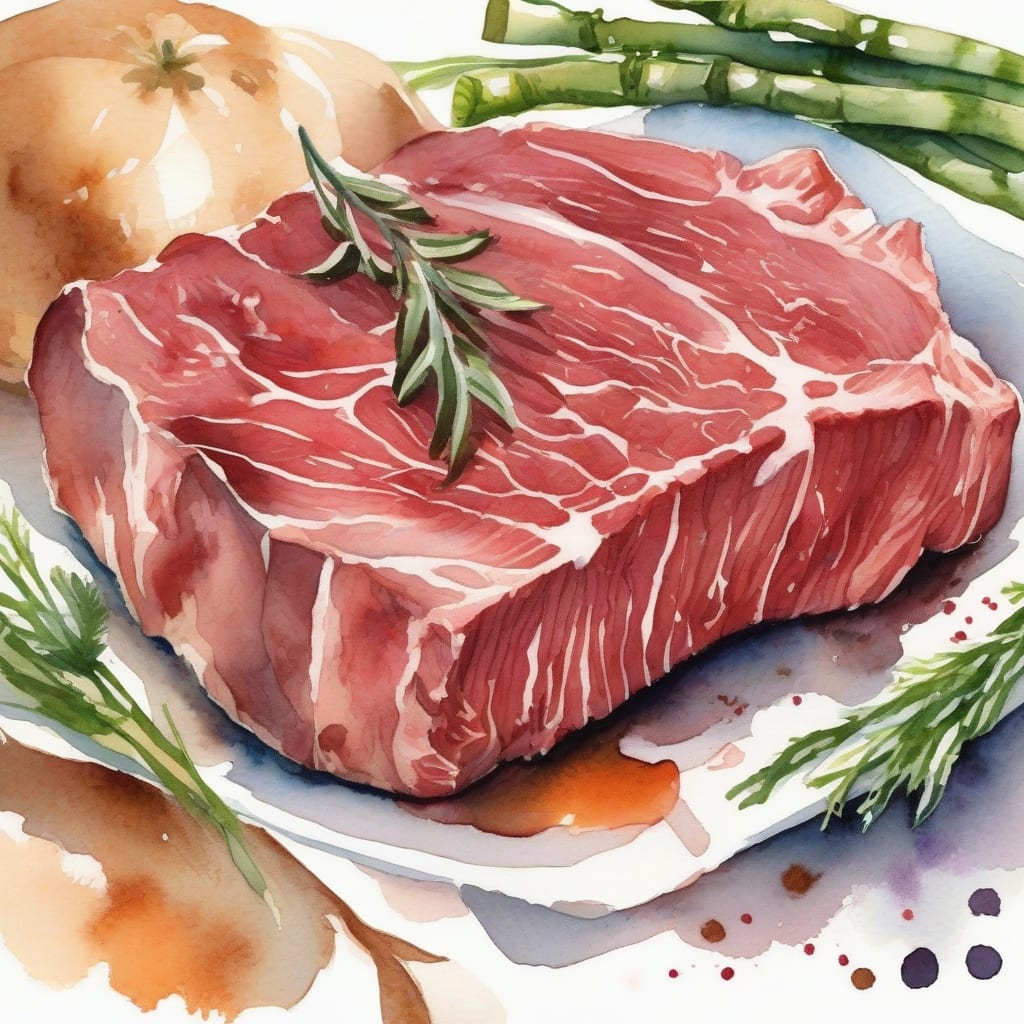
I’m about to share my secret for creating rich, flavorful beef stock that’s the ultimate flavor booster in any kitchen. ✨ This recipe is surprisingly simple and requires just a few ingredients, but the result is a deeply satisfying stock that’s worth every minute of simmering time.
The key to this stock’s richness is the long, slow cooking process that extracts every bit of flavor from the bones and vegetables. I use a combination of beef bones, aromatic vegetables, and herbs to create a complex flavor profile that’s both savory and slightly sweet.
By the time you’re done, you’ll have a clear, rich stock that’s perfect for sipping on its own or using as a base for other recipes. I’ll walk you through the simple process and provide tips for storage and reheating, so you can enjoy your homemade stock for weeks to come. Let’s get started!
Ingredients for best beef stock
These simple ingredients come together to create rich beef stock that’s the ultimate flavor booster.
| Ingredient | Amount | Notes |
|---|---|---|
| Beef Bones 🦴 | 2 lb | Marrow or knuckle bones |
| Onions 🧅 | 2 whole | Unpeeled, roughly chopped |
| Carrots 🥕 | 2 whole | Unpeeled, roughly chopped |
| Celery Stalks 🥦 | 2 pieces | Roughly chopped |
| Garlic Cloves 🧄 | 4 cloves | Unpeeled, smashed |
| Bay Leaves 🌿 | 2 whole | Fresh or dried |
| Black Peppercorns 🌶️ | 1 tbsp | Whole, not ground |
| Water 💧 | 4 cups | Cold, filtered water |
You can find beef bones at your local butcher or specialty meat markets. Look for grass-fed or pasture-raised for the best flavor. For vegetables, choose organic when possible and don't worry about peeling—it's all about the rough, unrefined flavor they add during long cooking.
If you can't find fresh bay leaves, dried will work fine—just use half the amount. For peppercorns, pre-crushed won't work as well as whole peppercorns. You can customize the vegetable mix to your liking, but keep the aromatics for depth of flavor.
Store cooled stock in airtight containers in the refrigerator for up to 5 days or freeze for up to 6 months. When freezing, portion into smaller containers or ice cube trays for easy use in recipes. Skim off any fat that solidifies on top before reheating for best results.
Step-by-Step Instructions for Rich Beef Stock
Follow these simple steps and you’ll create a rich, flavorful beef stock that’s the ultimate base for your favorite recipes.
🔥 Step 1: Roast the Bones for Deep Flavor
Preheat your oven to 400°F. Spread the 2 lb beef bones on a large baking sheet in a single layer, making sure not to overcrowd the pan. Roast the bones for 30 minutes until they’re nicely browned on all sides. This step enhances the stock’s color and depth of flavor. I like to turn the bones halfway through to ensure even browning.
While the bones are roasting, roughly chop the 2 whole onions, 2 whole carrots, and 2 pieces celery stalks. There’s no need to peel the onions or carrots—this is a stock, not a beauty contest! Just make sure they’re chopped into large chunks so they roast properly.
👨🍳 Step 2: Prepare the Aromatics and Assemble
After the bones have roasted, add the chopped onions, carrots, and celery to the same baking sheet. Toss everything together and return it to the oven for another 20-25 minutes, or until the vegetables are lightly caramelized. The aroma in your kitchen will be incredible as the vegetables develop that rich, roasted flavor.
Transfer the roasted bone and vegetable mixture to a large stockpot (at least 8 quarts capacity). Add the 4 cloves garlic cloves (smashed but still in their peels), 2 whole bay leaves, and 1 tbsp black peppercorns. The garlic will add a subtle depth without overpowering the stock.
🍳 Step 3: Simmer to Extract Maximum Flavor
Pour in the 4 cups cold water, making sure that all the bones and vegetables are fully submerged. If necessary, add a bit more water to cover everything. Bring the mixture to a gentle simmer over medium heat. Once it reaches a simmer, reduce the heat to low and let it cook undisturbed for at least 6 hours, or up to 24 hours for the richest flavor.
During the simmering process, you’ll notice a layer of impurities rising to the surface. I like to skim these off with a ladle every few hours to keep the stock clear. The stock is done when it’s rich and flavorful, with a deep, beefy aroma. Strain it through a fine-mesh sieve into a clean container, discarding the solids.
⏰ Step 4: Cool and Store Your Stock
Let the stock cool completely before refrigerating or freezing it. I prefer to portion it into smaller containers so it’s easy to use in recipes later. The stock will keep in the refrigerator for up to 5 days or in the freezer for 3 months. When you’re ready to use it, simply thaw or reheat and enjoy the depth of flavor it adds to your cooking.
For the best results, I always label my stock containers with the date and contents. This makes it easy to keep track of how long it’s been stored. You can use this stock as a base for soups, stews, or sauces, or as a cooking liquid for grains or legumes.
When it comes to elevating your cooking, a rich and flavorful beef stock is the way to go 🍖. It’s the perfect base for soups, stews, and sauces, and can even be used as a braising liquid for tender, fall-apart meat. But what makes the best beef stock? Let’s dive in and explore the key characteristics of a top-notch beef stock.
Key Characteristics of the Best Beef Stock
- Rich, intense flavor: A good beef stock should have a deep, meaty flavor that’s not too salty or overpowering.
- Clear, gel-like texture: When chilled, a high-quality beef stock should gel due to its high collagen content, indicating a rich, unctuous texture.
- Low sodium content: The best beef stocks are made with minimal added salt, allowing you to control the seasoning of your final dish.
💡 When shopping for beef stock, look for products labeled “low sodium” or “no salt added.” You can also consider making your own beef stock from scratch – it’s easier than you think! Simply roast some beef bones in the oven until they’re nice and caramelized, then simmer them in water with some aromatics like onions and carrots. Strain the stock and voilà! You have a delicious, homemade beef stock ready to elevate your cooking.
| Brand | Sodium Content | Flavor Profile |
|---|---|---|
| Swanson | High | Classic, straightforward beef flavor |
| Bone Broth Co. | Low | Rich, complex flavor with notes of roasted vegetables |
Some popular store-bought options are available, but be sure to check the label for sodium content and ingredients. With a little practice, you’ll be whipping up delicious beef stock like a pro! 🍳
Tips & Tricks for Perfect Beef Stock
These expert tips will help you create a rich, flavorful beef stock that elevates your cooking to the next level.
Roasting Matters: In Step 1, roasting the 2 lb beef bones at 400°F for 30 minutes is crucial for developing that deep, rich flavor. Make sure to turn the bones halfway through to get even browning. This step makes all the difference in the stock’s color and depth. 🔥
Simmering Technique: When you reach Step 3, keep the simmer gentle by maintaining low heat. A vigorous boil can make the stock cloudy, while a gentle simmer extracts maximum flavor from the bones and vegetables. Skim off impurities every few hours for a clearer stock.
Storage Solutions: After straining your stock in Step 4, let it cool completely before storing. I like to portion it into smaller containers for easy use later. The stock keeps in the refrigerator for up to 5 days or in the freezer for 3 months. Labeling containers with dates helps you keep track of freshness.
Flavor Boosters: For an even richer stock, you can add additional aromatics like mushroom stems or leek greens during the simmering process. These extra ingredients enhance the umami flavor without overpowering the beef stock. 💡
Nutrition Facts
4 servings per recipe
Amount per serving
Calories
350
% Daily Value*
Total Fat 15g
19%
Saturated Fat 4g
20%
Cholesterol 65mg
22%
Sodium 580mg
25%
Total Carbohydrate 32g
12%
Dietary Fiber 4g
14%
Total Sugars 6g
Protein 25g
50%
Vitamin D 2mcg
10%
Calcium 120mg
9%
Iron 3mg
17%
Potassium 420mg
9%
* The % Daily Value (DV) tells you how much a nutrient in a serving of food contributes to a daily diet. 2,000 calories a day is used for general nutrition advice.

Trained in classic French technique but raised on slow-cooked ribs and spicy rubs, she blends culinary skill with smoke and soul.
- Recipe for Boneless Pork Chops in Cast Iron Skillet: Sear and Baste to Juicy Perfection - October 3, 2026
- Recipe for Boneless Cross Rib Roast: Slow-Roasted Beef with Herb Crust - October 3, 2026
- Hamburgers in Sauce Recipe Crock Pot: Slow-Cooked Savory Delight - October 3, 2026