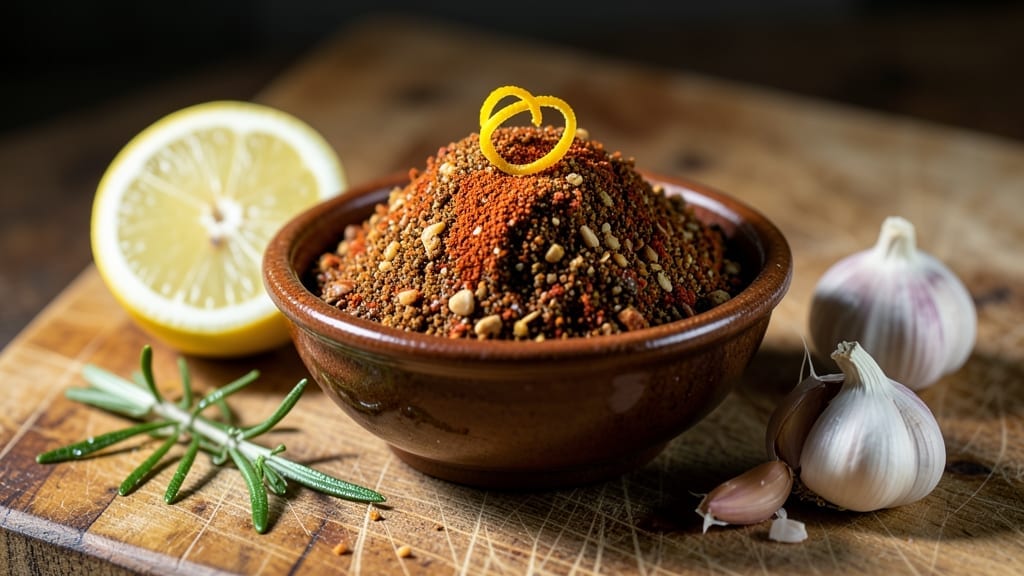
This Memphis dry rub recipe transforms tough ribs into tender, smoky masterpieces with a perfect bark—no shortcuts, just time-tested technique. The blend of paprika, brown sugar, and cayenne creates that signature Memphis flavor profile that turns simple pork into a showstopper.
I’ve perfected this over countless barbecues, and it never fails to deliver that fall-off-the-bone texture everyone craves.
The secret lies in balancing sweetness, heat, and smokiness while ensuring the rub adheres perfectly to the meat. This isn’t just about seasoning—it’s about building layers of flavor that develop as you smoke or grill.
The rub works equally well on ribs, chicken, or even brisket, making it a versatile addition to any smoker’s arsenal.
What you’ll achieve is ribs with a deep mahogany crust that cracks under pressure, revealing tender meat underneath. The smoky aroma alone will have guests lining up for seconds, and the sweet-spicy-savory balance makes every bite unforgettable. This isn’t just a recipe—it’s the foundation of great barbecue.
Whether you’re hosting a backyard cookout or perfecting your competition entry, this dry rub delivers restaurant-quality results at home. The ingredients are simple, but the impact is undeniable. Let’s get started on creating ribs that’ll have everyone asking for your secret.
Ingredients for best memphis dry rub
Pantry staples with a smoky twist. Thirteen ingredients, endless flavor for ribs that’ll have everyone begging for your secret.
| Ingredient | Amount | Notes |
|---|---|---|
| Paprika 🌶️ | ½ cup | Smoked variety for authentic Memphis flavor |
| Light Brown Sugar 🍚 | ¼ cup | Packed, not scooped |
| Cayenne Pepper 🔥 | 1 tbsp | Adjust for heat preference |
| Ground Black Pepper 🌶️ | 1 tbsp | Freshly ground preferred |
| Garlic Powder 🧄 | 1 tbsp | Not garlic salt |
| Onion Powder 🧅 | 1 tbsp | Freshly ground preferred |
| Mustard Powder 🍯 | 1 tbsp | Yellow mustard powder |
| Ground Cumin 🌿 | 1 tbsp | Toasted for deeper flavor |
| Diamond Crystal Kosher Salt 🧂 | 1 tbsp | Coarse grain preferred |
| Ground Coriander 🌿 | 1 tsp | For subtle citrus note |
| Baby Back Pork Ribs 🥩 | 4 lb | Meaty bone-in ribs |
| Yellow Mustard 🍯 | 2 tbsp | For binder application |
| Apple Cider Vinegar 🍎 | 1 tbsp | For tenderizing soak |
[recipe_ingredient_scaler]
The paprika is non-negotiable—smoked variety from Penzeys or bulk bins gives that authentic Memphis bark. I always buy a 1 lb bag because it lasts through multiple cookouts. The ribs? Baby backs from Costco or your local butcher—look for good marbling and ask for the meaty ends. Freshly ground spices make all the difference, so if you’ve got a coffee grinder, toast your cumin and coriander first for extra depth. The brown sugar should be packed, not scooped—trust me on this.
No smoked paprika? Substitute half with chipotle powder for heat, but you’ll lose that classic Memphis sweetness. Mustard powder hard to find? Dijon mustard at double the amount works in a pinch. For the ribs, if you can’t find baby backs, St. Louis-style spare ribs are the next best thing. The vinegar soak is optional but worth it—15 minutes max or the meat gets mushy. And if you’re feeling fancy, Trader Joe’s sells pre-mixed Memphis rubs, but they lack the depth of homemade.
Store your dry rub in an airtight container away from light—it’ll stay potent for 6 months. The ribs? 2 days max in the fridge if prepped ahead. I like to portion the rub into small jars for easy application during cookouts. Leftovers? Freeze for up to 3 months—just thaw overnight in the fridge before using. The mustard-yield mix keeps for 1 week in the fridge, so make only what you’ll use in a sitting.
Why You’ll Love This Recipe
- I’ll be real: I’ve made ribs before that took all day, but this? You can prep the rub the night before, soak the ribs in the morning, and have dinner on the table by lunch. And if you’re feeding a crowd, just double the rub—it’s that simple. Perfect for game days or lazy Sundays when you want to impress without the stress.
- No Fuss Flavor Bomb: Honestly, this rub takes less than 10 minutes to toss together—just dump all those spices in a bowl, whisk them like you mean it, and sieve for that ultra-fine texture. The smoked paprika and toasted cumin do all the heavy lifting while you prep the ribs, so you’re not stuck stirring for hours.
- Caramelized Crunch Inside Out: That perfect Memphis bark? It’s all thanks to the packed light brown sugar and mustard powder working together to create a crust so crisp it’ll make your mouth water. Meanwhile, the garlic and coriander add a subtle brightness that cuts through the richness—like a spicy, sweet hug for your taste buds.
- Weeknight Hero: I’ll be real: I’ve made ribs before that took all day, but this? You can prep the rub the night before, soak the ribs in the morning, and have dinner on the table by lunch. And if you’re feeding a crowd, just double the rub—it’s that simple. Perfect for game days or lazy Sundays when you want to impress without the stress.
Step-by-step instructions for Memphis dry rub recipe
Here’s how to create a perfect balance of smoky, sweet, and spicy flavors that will transform your ribs.
Combine All Dry Ingredients for the Rub
In a medium bowl, measure out the ½ cup paprika and ¼ cup light brown sugar first. These are your base ingredients that will create that signature Memphis red color and caramelized crust. Add the remaining dry ingredients in this order: 1 tablespoon each of cayenne pepper, ground black pepper, garlic powder, onion powder, mustard powder, and ground cumin, followed by 1 tablespoon diamond crystal kosher salt and 1 teaspoon ground coriander.
Use a whisk or fork to thoroughly blend everything together until you achieve a fine, consistent powder. The mixture should be uniform with no visible clumps. I like to press the spices through a fine-mesh sieve at this stage to ensure an ultra-fine texture that will cling perfectly to the ribs. This step is crucial for even flavor distribution and that coveted bark formation during cooking.
Prepare the Ribs with the Vinegar Soak
Pat the 4 lb baby back pork ribs completely dry with paper towels, removing any excess moisture from the surface. This drying step is essential for helping the rub adhere properly and develop that crispy bark. In a small bowl, whisk together 2 tablespoons yellow mustard and 1 tablespoon apple cider vinegar to create a binder mixture. This combination will help tenderize the meat slightly while also providing a sticky base for the rub to cling to.
Using your hands, spread this mustard-vinegar mixture evenly over all surfaces of the ribs, including the bone side. The vinegar will work its magic by breaking down proteins in the meat, creating tiny pathways for moisture and flavor to penetrate. Let the ribs sit at room temperature for 15-20 minutes while you prepare your cooking surface. This resting period allows the vinegar to begin its tenderizing work while the rub absorbs into the meat.
Apply the Dry Rub Generously
Working in batches if necessary, generously coat each rib with the dry rub mixture. Use your fingers to press the rub firmly into every crevice and surface, ensuring complete coverage. The ribs should look uniformly coated with a reddish-brown film. I find it helpful to divide the ribs into individual slabs at this point if they’re still connected, making it easier to handle and apply an even coating. This thorough application is what creates that iconic Memphis bark during cooking.
Once fully coated, place the ribs on a wire rack set over a baking sheet. This elevated setup allows air to circulate around all sides, promoting even cooking and better bark formation. Cover with plastic wrap and refrigerate for at least 4 hours, or preferably overnight. This resting period allows the rub to penetrate deeply into the meat, creating maximum flavor infusion. The longer you can let them rest, the better the results will be.
Cook to Fall-Off-the-Bone Tenderness
When ready to cook, preheat your grill or smoker to 225°F. The low and slow method is essential for achieving that tender, juicy meat. Place the ribs on the grill or smoker, bone-side down, and cook for 2-3 hours until the internal temperature reaches 165°F. This initial cooking phase allows the rub to form that beautiful crust while the meat begins to break down collagen.
After the initial cook, increase the temperature to 275°F and continue cooking for another 1-2 hours until the ribs reach an internal temperature of 203°F and are fork-tender. The ribs should pull apart easily at the bones with minimal resistance. This final cooking phase ensures you achieve that perfect balance of tender meat with a crispy exterior. The rub should have developed a dark, glossy bark that’s slightly sticky to the touch—a sure sign of success.
Pro Tips For Making Best Memphis Dry Rub
- Sieve the Rub: That fine-mesh sieve isn’t just for show—I learned the hard way when clumps of brown sugar and cumin ended up in my hand instead of on the ribs. A smooth, even coat is what turns “decent” into “Memphis-level bark,” and nothing beats pressing the mix through a sieve for that silky texture.
- Bone-Side Down First: Start the cook with the ribs bone-side down at 225°F. I used to flip them early, and the bark would crack unevenly. The bone conducts heat slower—keeping it down forces the rub to caramelize properly before the meat gets tender, so you don’t end up with a patchy crust.
- Toast the Cumin: Skip the pre-toasted cumin? Your rub will taste flat. Dry-toast the 1 tablespoon ground cumin in a skillet over medium heat for 30 seconds until fragrant—just until you smell that nutty depth. Let it cool before mixing, or you’ll lose those volatile oils to the air.
- Vinegar Soak Timing: The 15-20 minutes with the mustard-vinegar mix isn’t just a formality—it’s when the vinegar actually works its magic. Rush it, and the rub won’t stick as well; let it sit too long (over 20 minutes), and the meat can get mushy. Set a timer, and don’t peek at the ribs until it goes off.
Make-ahead tips for this best memphis dry rub
Prep Ahead for Maximum Flavor
I always make my dry rub mixture the night before cooking—it’s a game-changer. The spices meld overnight, creating deeper, more complex flavors. Just mix everything together in a bowl, cover it loosely with plastic wrap, and let it sit on the countertop.
This resting period lets the aromatics infuse, so you wake up to a rub that’s already ready to use. No last-minute scrambling! 🌿
Ribs Ready to Smoke
Once you’ve applied the mustard-vinegar binder and the dry rub, refrigerate the ribs for at least 4 hours, or ideally overnight. This isn’t just about convenience—it’s about flavor penetration.
The cold environment slows down the cooking process, allowing the rub to cling and infuse into the meat without prematurely cooking it. Trust me, the wait is worth it for that perfect bark. ⏰
Portion the Rub for Easy Access
Divide your dry rub into small, airtight containers or even Ziploc bags before storing. This way, you can grab just what you need for your ribs without wasting leftover rub on other proteins.
I like to label each container with the date so I know how fresh it is. A little organization goes a long way when you’re prepping for a big cookout! 📅
Pre-Soak the Ribs Early
If you’re short on time, start the vinegar soak the morning of your cookout. The 15-20 minutes soak is all you need to tenderize the meat before applying the rub.
Just keep the ribs refrigerated until you’re ready to apply the dry rub and coat them. This keeps everything fresh and ready to go without rushing the process. 🧊
Double the Batch for Leftovers
If you’re cooking ribs for a crowd, double or triple the dry rub recipe. The extra rub stores beautifully and can be used for chicken, brisket, or even roasted potatoes.
I’ve found that having a backup supply means you’re never caught short on flavor, even if plans change last minute. It’s the little things that make a big difference! 🍖
Nutrition facts
Frequently asked questions
Why does the Memphis dry rub need to rest before cooking?
The 4-hour minimum rest (or overnight) lets the spices penetrate deeply into the meat, creating maximum flavor infusion. The cold environment also helps the rub adhere perfectly to the ribs, ensuring that signature crispy bark forms during cooking. Skipping this step means weaker flavor and less bark development!
Can I use this dry rub on other proteins besides ribs?
This versatile rub works beautifully on chicken, brisket, or even roasted potatoes. The smoky-sweet-spicy blend adapts well to different meats, though ribs are where it truly shines. Just adjust cooking times based on the protein.
What if I don’t have smoked paprika?
Substitute half the paprika with chipotle powder for heat, but you’ll lose that classic Memphis sweetness. For a milder option, use regular paprika—just expect a slightly less intense flavor. The rest of the rub will still work well!
How do I store leftover dry rub?
Store in an airtight container away from light for up to 6 months. For the ribs, keep prepped ribs in the fridge for 2 days max. Portion the rub into small containers for easy access during cookouts—no wasted flavor!
Why does the vinegar soak matter?
The 15-20 minute vinegar soak tenderizes the meat by breaking down proteins, creating tiny flavor pathways. It also helps the rub cling better, ensuring that crispy crust forms evenly. Skip it, and your ribs might dry out or lack depth.

Trained in classic French technique but raised on slow-cooked ribs and spicy rubs, she blends culinary skill with smoke and soul.
- Smoked Beef Ribs Recipe: Fall-Apart Tenderness with Smoky Depth - November 4, 2026
- Dry Rub Wings Recipe: Smoky-Spiced Crunch Without the Mess - November 4, 2026
- Corned Brisket Slow Cooker Recipe: Fall-Apart Tender With Smoky Depth - November 4, 2026