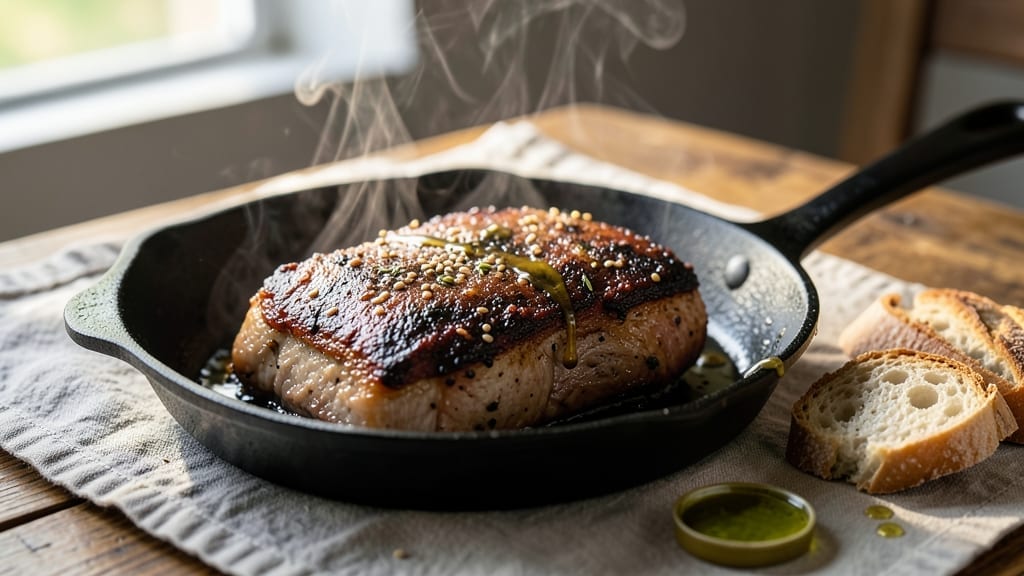
This pork Boston butt rub recipe transforms tough cuts into melt-in-your-mouth perfection with a smoky-sweet blend that’s become my signature at The Smoky Pig. Growing up in small-town Georgia, I learned that the right rub could turn a simple shoulder roast into the centerpiece of any family gathering.
The secret lies in balancing brown sugar’s caramelization with smoked paprika’s depth—this isn’t just seasoning, it’s flavor architecture.
The magic happens during the slow cook, where these spices develop complex layers while the meat breaks down into irresistible shreds. I’ve perfected this blend over years of competing in the Southeast BBQ circuit, where judges expect nothing less than restaurant-quality results.
What makes this rub special is its ability to create a perfect bark on the outside while keeping the meat tender and juicy inside.
By the time you pull this from the smoker, you’ll have pork so tender it practically falls apart at the touch, with a crust that’s both sweet and smoky. The aroma alone will have your guests gathering before dinner’s even ready.
This is the kind of recipe that turns weeknight dinners into memorable events—just like my grandmother used to make.
Perfect for pulled pork sandwiches, tacos, or serving with all the classic BBQ sides. The rub keeps well in your pantry, so you’ll always have it ready when pork cravings strike. Let’s get cooking with this foolproof method that delivers professional-quality results every time.
Ingredients for pork boston butt rub
A few simple spices and sugars transform tough pork into fall-apart perfection.
| Ingredient | Amount | Notes |
|---|---|---|
| Pork Boston Butt 🥩 | 6 lb | Fresh cut, not frozen |
| Brown Sugar 🍚 | ½ cup | Light or dark preferred |
| Smoked Paprika 🌶️ | 2 tbsp | High-quality for smokiness |
| Coarse Kosher Salt 🧂 | 2 tbsp | Diamond Crystal preferred |
| Black Peppercorns 🌶️ | 1 tbsp | Freshly cracked preferred |
| Garlic Powder 🧄 | 1 tbsp | Freshly ground preferred |
| Onion Powder 🧅 | 1 tbsp | Freshly ground preferred |
| Ground Cumin 🌿 | 1 tbsp | Toasted for depth |
| Mustard Powder 🍯 | 1 tsp | Dry, not wet mustard |
| Chili Powder 🌶️ | 1 tsp | Mild or medium heat |
| Apple Cider Vinegar 🍎 | 1 tbsp | For tangy depth |
| Yellow Mustard 🍯 | 1 tbsp | For binding rub |
| Yellow Onion 🧅 | 1 whole | Thinly sliced for bark |
| Yellow Mustard 🍯 | ½ cup | For basting |
[recipe_ingredient_scaler]
The pork Boston butt is non-negotiable here—look for a fresh cut with good marbling (that white fat is what keeps it juicy). Costco or local butchers usually have the best selection, but any grocery store’s pre-cut roast works in a pinch. If you’re buying whole, ask for a 6-8 lb cut—anything smaller won’t yield enough tender shreds. I always buy mine a day ahead and let it sit uncovered in the fridge to dry the surface slightly (this helps the rub stick better). The brown sugar? Light or dark doesn’t matter, but make sure it’s real sugar—not that fake ‘sweetener’ stuff that’ll ruin everything.
No smoked paprika? Mix equal parts regular paprika and a pinch of liquid smoke—it’s not the same, but it’ll get you close in a bind. The mustard powder adds a subtle tang that balances the sweetness, so don’t skip it. Running out of apple cider vinegar? White vinegar or lemon juice works, but the apple flavor ties everything together. For the yellow mustard in the rub, I grab the French’s Dijon from the yellow mustard aisle—it’s got just the right balance of sharpness. The onions? Any yellow or white variety works, but Vidalia adds a touch of sweetness if you’re feeling fancy.
This rub keeps forever in an airtight container in your pantry, but the pork? Use within 2 days if you’re not smoking it immediately. I like to make a double batch of the rub—one for the pork, one to keep on hand for future projects. The leftovers? Store them in a small jar with a tight lid and it’ll last for months. Pro tip: Wrap the pork tightly in foil after applying the rub to prevent it from drying out during the long cook. The smell alone will have your neighbors asking for an invite.
Why You’ll Love This Recipe
- No-Fuss Rubbing: I prep this rub in under 10 minutes—just toss the dry ingredients in a bowl, crack those black peppercorns fresh, and mix in the wet mustard and vinegar. No fancy tools, no stress. The key? Using your hands to work it into the pork like you’re giving it a spa day. That thick, sticky paste clings perfectly without any slipping, and honestly, the mess is worth the crispy, flavor-packed crust you’ll end up with.
- Sweet, Smoky, Addictive: That combo of brown sugar and smoked paprika? It’s like a hug for your taste buds—sweetness caramelizes into that perfect bark, while the cumin and garlic powder add warmth that lingers. The apple cider vinegar cuts through the richness, and the chili powder gives just enough kick to make you want another bite. I’ll be real: the first pull from the slow cooker is always my favorite moment.
- Crowd-Pleaser Guaranteed: This isn’t just for game day or holidays—it’s my go-to for weeknight dinners when the kids demand something “special.” Serve it on sandwiches, in tacos, or even as a topping for loaded baked potatoes. The leftovers? Even better the next day. My neighbor always asks for the recipe, and I swear, half the time, they’re just here for the extra servings.
- Budget’s Best Kept Secret: A 6-pound Boston butt feeds a small army for pennies per serving. The spices are affordable staples, and you’ll use them for other dishes too. Plus, buying it a day ahead and letting it dry out? Saves me money on trimming later, and the rub sticks like glue. It’s one of those recipes where you spend little but feel like you’re treating everyone to a restaurant experience. Worth every penny.
Step-by-step instructions for smoky-sweet pork Boston butt rub
Here’s how to create a perfect blend that delivers fall-apart tenderness every time.
Combine Dry Ingredients for Even Distribution
In a large bowl, mix together the ½ cup brown sugar, 2 tablespoons smoked paprika, 2 tablespoons coarse kosher salt, 1 tablespoon black peppercorns, 1 tablespoon garlic powder, 1 tablespoon onion powder, 1 tablespoon ground cumin, 1 teaspoon mustard powder, and 1 teaspoon chili powder. Use your hands to break up any clumps in the brown sugar and ensure all spices are evenly distributed throughout the mixture.
This dry blend is the foundation of your rub. The brown sugar will caramelize beautifully during cooking, creating that coveted bark while keeping the meat moist. The smoked paprika and cumin add depth, while the mustard and chili powders give a subtle tangy kick that pairs perfectly with the sweetness.
Add Wet Ingredients to Create a Bindable Paste
In a separate small bowl, whisk together the 1 tablespoon apple cider vinegar, 1 tablespoon yellow mustard, and ½ cup yellow mustard. Then, gradually mix this wet mixture into the dry ingredients using a wooden spoon or rubber spatula. You’ll want to work it into a thick, crumbly paste that will stick to the pork beautifully.
The apple cider vinegar acts as a tenderizer while adding bright acidity that cuts through the richness. The yellow mustard serves as a binder, helping the rub adhere to the meat and preventing it from falling off during cooking. You should end up with a texture that’s moist enough to cling but not so wet that it drips off.
Coat the Pork Boston Butt Thoroughly
Pat the 6 lb pork boston butt dry with paper towels, removing any excess moisture from the surface. This step is crucial for creating that perfect bark later. Then, using your hands, press the rub mixture firmly into every inch of the pork, including the crevices and fat cap. Don’t be shy—you want a thick, even coating.
For extra flavor development, let the rubbed pork sit at room temperature for 30 minutes before cooking. This allows the rub to penetrate slightly and gives you a head start on that beautiful bark formation. While it rests, you can thinly slice the 1 yellow onion and set it aside for later use in basting.
Create the Basting Sauce (Optional for Extra Moisture)
In a small saucepan, combine the thinly sliced yellow onion and simmer over medium heat for 5 minutes until softened. Remove from heat and let cool slightly. This onion mixture will be used to baste the pork during cooking, adding moisture and sweetness that enhances the bark.
Here’s where it gets exciting: As your pork cooks, brush it with this onion mixture every hour during the last 4 hours of cooking. The onions will caramelize slightly, creating a glossy, flavorful crust that complements the rub perfectly. This step isn’t just for flavor—it’s what transforms good pulled pork into exceptional pulled pork.
Pro Tips For Making Pork Boston Butt Rub
- Crack Those Peppercorns First: I learned this the hard way—whole black peppercorns in the rub just sit there like decorative rocks. Use a mortar and pestle or spice grinder to crack them before mixing, so every bite gets that sharp, fresh kick. The recipe calls for freshly cracked, and it makes a real difference in texture and flavor.
- Press the Rub Like You Mean It: Don’t just sprinkle that paste on top—dig your fingers into the fat cap and crevices. The rub needs to cling to every nook, especially where the meat’s thickest. I used to skip this, and half the flavor would just slide off during cooking. (Yes, even if you’re impatient like me.)
- Don’t Skip the Vinegar Whisk: The apple cider vinegar isn’t just for tang—it’s what turns that dry mix into a proper paste. Whisk it thoroughly with the mustard first, or you’ll end up with clumpy rub that won’t stick. I was skeptical until I tried it: the paste clings like glue, and the pork stays juicier.
- Baste Early, Baste Often: Save that onion mixture for the last 4 hours of cooking, but don’t wait until the final hour to start. Brush it on every 60 minutes—even if the pork isn’t done yet. The caramelized onions build layers of flavor and moisture that turn good bark into exceptional bark. (Your future self will thank you.)
Regional styles of this dish
Southern BBQ Tradition
This rub is a direct descendant of the dry rubs I learned from my grandmother in Georgia—where pork was never just meat, but the heart of every gathering.
She always used a mix of brown sugar, salt, and a hint of heat, but I’ve refined it with smoked paprika and cumin for that authentic smoky depth you’ll find in Carolina-style BBQ.
The apple cider vinegar is my nod to the tangy twist Southern pitmasters use to cut through the fat. Honestly, this rub tastes like coming home. 🏡
Texas-Style Sweet Heat
If you’re craving something bolder, try a Texas-inspired variation by increasing the chili powder to 2 teaspoons and adding ½ teaspoon cayenne for real kick. I like to include 1 tablespoon ground coriander too—it gives that citrusy brightness you find in Central Texas rubs.
This version works especially well when paired with a honey-mustard glaze brushed on during the last hour of cooking. The sweetness and heat balance perfectly to create a bark that’s addictive. 🔥
Carolina Vinegar Cut
For a true Eastern Carolina vibe, I swap out half the brown sugar for ½ cup granulated sugar and add 2 tablespoons white vinegar to the wet mix. This creates that signature tangy-sweet profile you’ll find in places like Lexington, North Carolina.
The vinegar helps tenderize the meat while keeping it moist. I also like to include 1 teaspoon ground ginger for warmth—it’s a secret ingredient in many Carolina pitmasters’ rubs. This version is perfect for slow-smoked pork that falls apart at the touch. ✨
Kansas City Sweet & Smoky
Kansas City BBQ is all about balance, and this variation reflects that perfectly. I reduce the brown sugar to ¼ cup and add 1 tablespoon molasses to deepen the flavor. The smoked paprika gets bumped to 3 tablespoons for that signature KC smokiness.
I also include 1 teaspoon liquid smoke for an extra hit of wood-fired flavor. This rub creates a bark that’s sweet but not cloying, with a smoky depth that’s hard to resist. It’s the kind of rub that makes your mouth water just thinking about it. 💛
Appalachian Mountain Spice
For a rustic mountain touch, I add 1 teaspoon dried thyme and ½ teaspoon ground allspice to the dry mix. The apple cider vinegar gets replaced with 1 tablespoon lemon juice for a brighter acidity. This variation works beautifully with a wood-fired smoke from hickory or pecan.
The spices give it an earthy complexity that reminds me of the Appalachian mountains where my ancestors came from. It’s the perfect rub for a cozy, hearty meal that feels like home. 🏔️
Nutrition facts
Frequently asked questions
Why does the rub need apple cider vinegar?
The apple cider vinegar does double duty—it tenderizes the meat by breaking down proteins and adds bright acidity that balances the sweetness of the brown sugar. This prevents the rub from tasting overly cloying while keeping the pork juicy. Think of it as the secret ingredient that turns good pork into showstopper pork!
How long can I store the rub mixture before using it?
The dry rub ingredients alone keep indefinitely in an airtight container, but the wet mixture should be used within 2-3 days for best flavor. If you make it ahead, store the dry blend separately and mix with the wet ingredients just before applying to the pork. This keeps the texture perfect for sticking!
What if I don’t have smoked paprika?
Mix 1 tablespoon regular paprika with ¼ teaspoon liquid smoke to approximate the smoky depth. While not identical, this combo adds the wood-fired character you’re looking for. For best results, use high-quality paprika to avoid bitterness.
Should I refrigerate the pork after applying the rub?
No! Let the rubbed pork sit at room temperature for 30 minutes before cooking. This allows the flavors to penetrate and develop that perfect bark. Refrigerating first can create condensation, which weakens the rub’s adhesion and makes the bark less crispy. Trust the process—patience pays off!
Can I use this rub on other meats besides pork?
While it’s designed for pork Boston butt, you can adapt it for chicken or beef brisket by reducing the brown sugar slightly and adding ½ teaspoon ground coriander for extra complexity. Just remember—this rub is all about the pork’s natural fat rendering, so lighter meats may need less sugar. Experiment with confidence!

Trained in classic French technique but raised on slow-cooked ribs and spicy rubs, she blends culinary skill with smoke and soul.
- Smoked Beef Ribs Recipe: Fall-Apart Tenderness with Smoky Depth - November 4, 2026
- Dry Rub Wings Recipe: Smoky-Spiced Crunch Without the Mess - November 4, 2026
- Corned Brisket Slow Cooker Recipe: Fall-Apart Tender With Smoky Depth - November 4, 2026