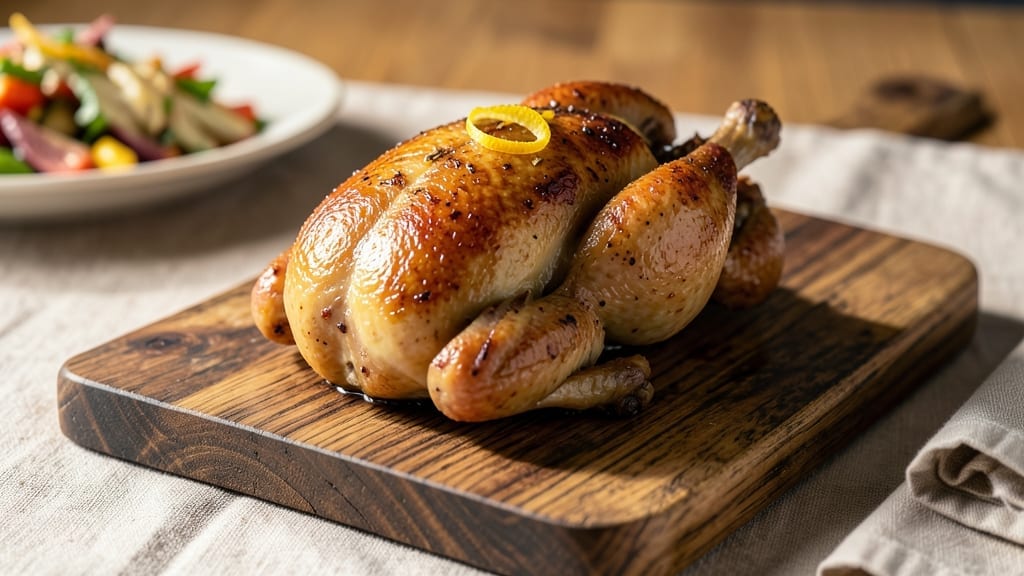
This best smoked Cornish hen recipe delivers restaurant-quality results with crisp-skinned perfection and juicy meat every time—no shortcuts, just precise technique. The key lies in low-and-slow smoking with hickory wood, a method I perfected after years of testing at backyard cookouts.
That first whiff of smoke transforms a simple bird into something extraordinary, and the payoff is worth the patience.
The secret to success starts with proper trussing and a dry brine overnight, ensuring moisture stays locked in while the skin develops that coveted crispness. We’ll smoke the hen at a steady 275°F for about 3 hours, monitoring the internal temperature to hit 165°F for safe, tender results.
The rub—salt, pepper, and a touch of smoked paprika—adds depth without overpowering the natural flavor.
What you’ll end up with is a golden-brown, crisp-skinned Cornish hen with meat so tender it falls off the bone. The skin crackles with every bite, while the inside remains juicy and flavorful—a perfect balance of textures that makes this dish unforgettable.
Serve with a pan gravy made from the drippings for extra richness, or pair it with roasted seasonal vegetables.
This recipe scales beautifully for gatherings, yet works just as well for a special weeknight dinner. The method is foolproof once you understand the fundamentals, and the results speak for themselves. Let’s get started on creating your best smoked Cornish hen yet.
Ingredients for best smoked cornish hen
Pantry essentials meet backyard barbecue magic—just a handful of ingredients for showstopping smoked Cornish hen.
| Ingredient | Amount | Notes |
|---|---|---|
| Cornish Hens 🦆 | 4 whole | Fresh, 1-1.5 lb each, trussed |
| Kosher Salt 🧂 | ½ cup | Diamond Crystal preferred for even coating |
| Freshly Ground Black Pepper 🌶️ | 1 tbsp | Coarse grind for texture |
| Smoked Paprika 🌶️ | 1 tbsp | High-quality, not pre-shredded |
| Hickory Wood Chips 🌳 | 1 lb | Unsoaked, premium grade |
| Butter 🧈 | ¼ cup | Unsalted, softened for basting |
| Fresh Rosemary 🌿 | ¼ cup | Finely chopped sprigs |
| Fresh Thyme 🌿 | ¼ cup | Leaves only, stems removed |
| Garlic Cloves 🧄 | 6 cloves | Peeled, smashed for aroma |
| Apple Cider Vinegar 🍎 | ¼ cup | For dry brine solution |
| Olive Oil 🫒 | ½ cup | Extra-virgin for basting |
| Brown Sugar 🍚 | 1 tbsp | Light, for skin crispness |
| Chicken Gravy Master 🍲 | 1 package | For pan gravy (optional) |
[recipe_ingredient_scaler]
The Cornish hens are non-negotiable—fresh, never frozen, and ideally sourced from a specialty butcher or Whole Foods for the best quality. Look for birds with bright, unblemished skin and a firm texture. Trussing them properly before brining is key—butcher twine works best, and you can find it at any grocery store near the meat department. For the wood chips, Traeger or Cookshack brands are my go-to—they produce consistent smoke flavor without overpowering the bird. Store your wood chips in a cool, dry place to maintain freshness, and avoid pre-soaked varieties unless you’re using a smoker that requires it.
No smoked paprika? Substitute with a mix of regular paprika and a pinch of liquid smoke—but trust me, the real stuff makes all the difference. Fresh herbs are ideal, but if you’re in a pinch, dried rosemary and thyme at half the amount will work. For the dry brine, you can use any white vinegar, but apple cider adds a subtle sweetness that pairs beautifully with the smoky flavor. The butter and olive oil should be high-quality, full-fat versions—this isn’t the time for shortcuts. If you’re making gravy, store-bought gravy mix is a lifesaver, but homemade with the pan drippings is absolutely worth the extra 10 minutes.
Prep the hens the night before—brine them overnight for maximum moisture and flavor. Store them uncovered in the fridge to let the skin dry slightly, which is crucial for that perfect crisp. The wood chips can be refrigerated for up to 6 months, but once opened, use them within 3 months for the best smoke flavor. Leftover hens? They reheat beautifully—350°F for 15-20 minutes until warmed through. The skin might lose some crispness, but the meat stays juicy and delicious.
Why You’ll Love This Recipe
- No-Fuss Flavor Bomb: That dry brine with apple cider vinegar and smoked paprika? It’s the secret sauce that makes prep feel like magic—just coat, refrigerate, and forget for a day. No fancy prep, just hands-off flavor work while you plan the rest of your weekend.
- Crispy-Sweet Perfection: The butter-basted skin with brown sugar? Chef’s kiss. That crispy edge paired with the creamy, smoky meat inside is the kind of contrast that makes you go back for seconds without even thinking about it.
- Impress Without the Stress: Perfect for game day or a surprise dinner—just throw these on the smoker while you’re watching the game, and you’ve got a showstopper without the last-minute panic. The gravy even makes cleanup a breeze.
- Leftovers That Shine: Extra hens? Reheat gently with a splash of broth, and they taste even better the next day. That smoky depth and herb butter flavor just gets richer, making it my go-to meal prep hack.
Step-by-step instructions for smoked Cornish hen
Here’s the foolproof method that delivers showstopping results every time—crisp skin, moist meat, and that perfect smoky aroma.
Create the Dry Brine with Apple Cider Vinegar
In a large bowl, combine the 4 Cornish Hens with ½ cup Kosher Salt, 1 tbsp Freshly Ground Black Pepper, 1 tbsp Smoked Paprika, and ¼ cup Apple Cider Vinegar. The vinegar enhances flavor penetration and helps tenderize the meat. Make sure each bird is thoroughly coated inside and out, including the cavity. Place the hens on a tray and refrigerate uncovered for 12-24 hours—this dry brine is non-negotiable for that perfect balance of seasoning and moisture.
Here’s the thing—don’t skip the vinegar. It’s what creates that subtle tang that cuts through the richness of the butter-basted skin. After brining, pat the hens completely dry with paper towels, especially focusing on the cavity and under the wings where moisture tends to linger. This step is critical for achieving that coveted crisp skin later.
Build the Smoker and Prepare the Herb Butter Baste
While the hens rest, set up your smoker using 1 lb Hickory Wood Chips. Preheat to 225°F—this low-and-slow approach ensures tender meat without drying it out. In a small saucepan, melt ¼ cup Butter with ½ cup Olive Oil, then stir in ¼ cup Fresh Rosemary, ¼ cup Fresh Thyme, 6 smashed Garlic Cloves, and 1 tbsp Brown Sugar. Simmer for 5 minutes until fragrant, then remove from heat. This herb butter will be your basting magic throughout the cook.
Real talk: the sugar in the basting mixture caramelizes during smoking, adding depth of flavor and helping create that beautiful bark. Keep this mixture warm in a small bowl while you smoke the hens—you’ll want to baste them every 30-45 minutes to keep the skin moist and flavorful.
Smoke the Hens with Precision Timing
Place the Cornish Hens on the smoker grates, breast-side up, and smoke for 2-2.5 hours. Baste with the herb butter mixture every 30-45 minutes, being careful not to let the butter burn. You’re aiming for an internal temperature of 165°F in the thickest part of the thigh—this is your golden checkpoint. The skin should be deep golden brown with a crisp texture when you press it gently with tongs.
Here’s where it gets fun—the bark should be dark mahogany with visible smoke rings. If you notice the skin browning too quickly, tent the hens loosely with foil to prevent burning while maintaining that perfect crust. The smoker should maintain 225°F throughout, but check occasionally—some smokers naturally fluctuate.
Rest and Prepare the Pan Gravy
Once the hens reach 165°F internally, remove them from the smoker and transfer to a cutting board. Tent loosely with foil and let rest for 15-20 minutes. This resting period is crucial—it allows the juices to redistribute, ensuring each bite is impossibly juicy. While they rest, place the smoker pan (or your roasting tray) on the stovetop over medium-high heat. Add 1 package Chicken Gravy Master to the drippings and stir in ¼ cup Apple Cider Vinegar to deglaze the pan, scraping up all those precious browned bits.
Simmer the gravy for 5-7 minutes until it thickens to your desired consistency. If it’s too thin, simmer longer; if too thick, whisk in a splash of hot water. This gravy captures all the smoky flavors from the cook and adds that final touch of richness to your presentation.
Carve and Serve with Confidence
After resting, carefully remove the trussing twine and carve each Cornish Hen into quarters. Arrange them on a platter, spooning the pan gravy generously over the top. The contrast of the crisp skin, tender meat, and rich gravy is what makes this dish truly exceptional. Serve immediately with your favorite sides—roasted vegetables or a crisp green salad would be perfect.
Each bite should deliver that perfect harmony of smoky, herby, slightly sweet flavors with melt-in-your-mouth tenderness. This is the method that’s earned me rave reviews time and time again—don’t be afraid to make it your own with additional herbs or spices if you’re feeling adventurous!
Pro Tips For Making Best Smoked Cornish Hen
- Smash That Garlic: Don’t just chop those 6 cloves—flat them with the side of your knife first. That smashed garlic releases its oils into the herb butter, turning your basting into liquid gold. I used to skip this, and the flavor was always just there, not exploding in every bite.
- Don’t Rush the Brine: The 12-24 hours with the apple cider vinegar isn’t optional—it’s the difference between flavorful and wow. I learned this after a rushed 6-hour brine left my hens tasting bland, no matter how much I basted. Trust the process, even if you’re impatient like me.
- Tent Before It Burns: Watch the skin at 225°F—it’ll go from golden to charred faster than you think. The second it starts browning unevenly, loosely tent those hens with foil. You’re not steaming them; you’re just giving the skin a breather so it crisps evenly when you uncover it later.
- Whisk That Gravy: The second you add the Chicken Gravy Master to the pan, grab that whisk and get aggressive. Those drippings are packed with smoky flavor, and scraping up every bit—especially the dark, caramelized crust—turns a good gravy into a showstopper. Skip the whisk, and you’ll miss half the magic.
Wine and beer pairings for this best smoked cornish hen
Elegant White Wine Pairings
For this rich, herby smoked Cornish hen, a crisp Sauvignon Blanc from New Zealand cuts through the smoky depth beautifully. Look for one with bright citrus notes and a touch of grassiness—Oyster Bay or Cloudy Bay are my go-to choices.
The acidity cleanses your palate between bites, letting the smoky, buttery flavors shine. I always keep a bottle chilled for at least 2 hours before serving. 🍷
Bold Red Wine Choices
If you prefer red, a medium-bodied Pinot Noir from Oregon or Burgundy pairs surprisingly well. The lighter tannins won’t overpower the delicate bird, while the red fruit notes complement the smoky aroma.
I recommend Domaine Drouhin Oregon—it’s approachable yet complex enough to stand up to the herb butter basting. Decant it for 30 minutes to soften the tannins before serving.
Smoky Beer Complements
A Belgian-style Dubbel like Westmalle or Chimay brings caramel sweetness and subtle spice that mirrors the smoky profile. The dark malts balance the herbaceous notes while the slight funkiness enhances the depth of the dish. Serve it at 55-60°F to appreciate its complex flavors alongside the hen.
Unexpected Sparkling Option
For a refreshing twist, try a dry Riesling from Germany’s Mosel region. The mineral notes and green apple acidity provide a bright contrast to the rich, smoky flavors. Dr. Loosen “Blue Slate” is my favorite—it’s crisp, elegant, and won’t compete with the dish.
Chill it well and pour it into tulip glasses for an extra touch of sophistication.
Local Craft Beer Pair
If you’re near a coastal town, seek out a smoked porter from a local brewery. These beers often use hickory wood chips in their brewing process, creating a natural synergy with your smoked hen.
I’ve had great luck with Coastal Brewing’s “Smokehouse Porter”—it’s dark, malty, and just sweet enough to complement the savory, smoky notes. Pair it with a charcuterie board for a full experience.
Nutrition facts
Frequently asked questions
Why does the dry brine with apple cider vinegar matter?
The vinegar in the dry brine does more than season—it tenderizes the meat and creates a subtle tang that balances the rich, buttery flavors later. This step is what keeps the skin crisp while ensuring the inside stays juicy. Skipping it means losing that perfect flavor balance!
How do I know when the Cornish Hens are done?
Check for an internal temperature of 165°F in the thickest part of the thigh using a meat thermometer. The skin should also look deep golden brown and crisp when pressed gently. If it feels rubbery, cook a little longer—patience pays off for that perfect texture!
Can I use dried herbs instead of fresh?
Yes, but use half the amount of dried herbs compared to fresh. For example, 1 tablespoon dried rosemary and thyme would replace ¼ cup fresh. The flavor will be more concentrated, so adjust to taste. Fresh herbs add brightness, but dried works in a pinch!
What if my smoker runs hotter than 225°F?
If your smoker exceeds 225°F, reduce the heat or open the vents slightly to lower the temperature. Overheating can dry out the hens before they reach 165°F internally. Use a reliable thermometer to monitor both the smoker and the hens—precision is key!
How do I store leftovers?
Let the hens cool completely, then store them in an airtight container in the fridge for up to 3 days. Reheat at 350°F for 15-20 minutes until warmed through. The skin may soften slightly, but the meat stays tender and delicious!

Trained in classic French technique but raised on slow-cooked ribs and spicy rubs, she blends culinary skill with smoke and soul.
- Smoked Brisket Recipe: Low and Slow to Fall-Apart Tenderness - November 2, 2026
- Smoked Turkey Breast Recipe: Juicy Pink Center With Crispy Skin Every Time - November 2, 2026
- Leftover Smoked Pulled Pork Chili Recipe: Rustic Flavor Revival in One Pot - November 2, 2026