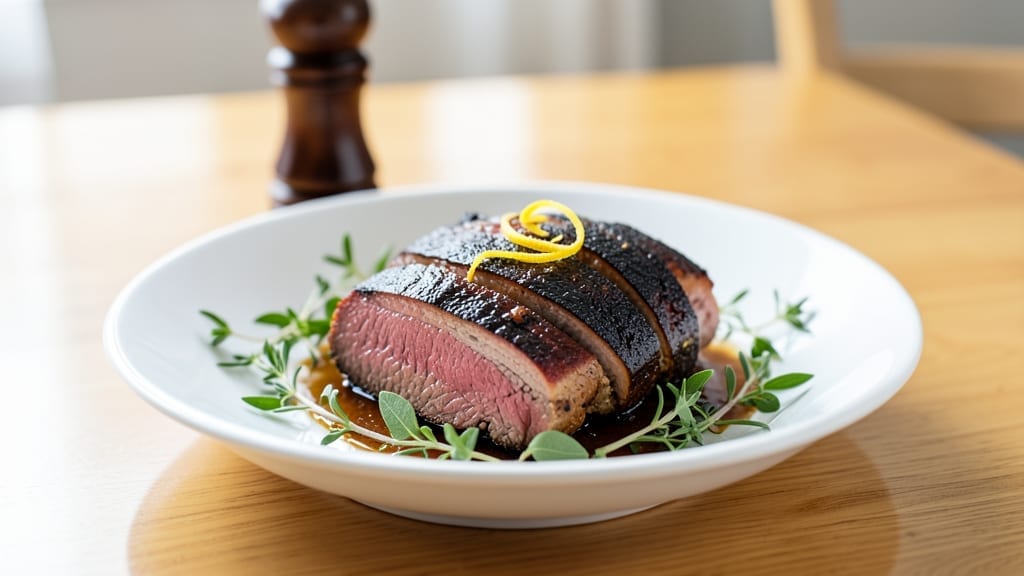
Mastering a smoked brisket recipe that delivers melt-in-your-mouth tenderness starts with patience and precision—something I learned firsthand during my family’s backyard cookouts. The key lies in the low-and-slow method, where smoke and time transform tough beef into something extraordinary.
My approach combines classic pitmaster techniques with a touch of French precision, ensuring every bite is perfectly balanced between smoky depth and rich flavor.
This recipe focuses on achieving that coveted fall-apart tenderness through careful temperature control and proper wrapping techniques. You’ll need a good quality brisket, a reliable smoker, and a trusty meat probe to monitor internal temperatures.
The process takes time—typically 12 to 16 hours—but the result is worth every minute. I’ve perfected this method over years of experimenting, and it consistently delivers restaurant-quality results at home.
What you’ll end up with is a brisket that’s so tender it practically dissolves on your tongue, with a beautiful bark on the outside and juicy, flavorful meat underneath. The aroma alone will have everyone gathering around your smoker, and the taste will leave them asking for seconds.
This isn’t just a recipe—it’s an experience that brings people together, just like it did for my family during those long summer afternoons.
Once you’ve mastered the brisket, we’ll pair it with classic sides like baked beans, tangy coleslaw, and buttery cornbread to create a complete meal that’s perfect for gatherings or special occasions.
The presentation tips will help you serve it with that professional touch that makes all the difference. Let’s get started on creating your perfect smoked brisket!
Ingredients for smoked brisket
The essentials for perfect smoked brisket: quality beef, bold seasonings, and smoke-infused patience.
| Ingredient | Amount | Notes |
|---|---|---|
| Beef Brisket 🥩 | 8 lb | Packer cut with fat cap intact |
| Yellow Mustard 🍯 | ¼ cup | For bark application |
| Coarse Kosher Salt 🧂 | ½ cup | Diamond Crystal preferred |
| Black Peppercorns 🌶️ | 2 tbsp | Freshly cracked preferred |
| Garlic Powder 🧄 | 2 tbsp | Freshly ground preferred |
| Onion Powder 🧅 | 2 tbsp | Not onion salt |
| Smoked Paprika 🌶️ | 1 tbsp | For smoky depth |
| Chopped Wood Chips 🌳 | 4 cups | Hickory or oak preferred |
| Butcher's Twine 🧵 | 1 package | For wrapping brisket |
| Aluminum Foil 📄 | 1 sheet | Heavy-duty for wrapping |
| Apple Juice 🍎 | ½ cup | For spritzing during cook |
| Beef Tallow 🧈 | ¼ cup | Or substitute with bacon fat |
| Fresh Rosemary 🌿 | ¼ cup | Chopped for spritz |
| Fresh Thyme 🌿 | ¼ cup | Chopped for spritz |
| Meat Thermometer 🌡️ | 1 whole | For precise temperature |
[recipe_ingredient_scaler]
The brisket is non-negotiable—look for a packer cut with thick fat cap from local butchers or Costco. That fat renders down into flavor. For wood chips, Traeger or Cookshack brands are reliable, but any hickory or oak works. The mustard? French’s yellow is my go-to—it helps create that iconic bark. Freshly cracked peppercorns make all the difference (I grind mine in a coffee grinder). If you’re buying pre-ground, check the date—it loses potency fast.
No butcher’s twine? Heavy-duty cotton string works in a pinch. Short on apple juice? White grape juice or even water keeps the bark moist. The tallow can be swapped for bacon fat or duck fat—just keep it rendered. Fresh herbs? Dried works at half the amount, but fresh has that bright punch. For the wood chips, mesquite adds heat if you want something different. Always soak your chips for 30-60 minutes before using—prevents flare-ups.
Store leftover brisket in the fridge for 5-6 days, wrapped tightly in foil. For longer storage, portion into freezer-safe containers—it keeps for 3 months. The bark gets tough after reheating, so I always slice it against the grain before storing. Perfect for sandwiches or tacos later in the week. And trust me, the leftovers taste even better the next day—all that flavor melds overnight.
Why You’ll Love This Recipe
- No-Fuss Masterpiece: Honestly, the only prep work you’ll do is drying the brisket and slathering that mustard—no fancy prep required. The rest is hands-off smoking at 225°F while you sip a beer or watch TV. That’s the beauty of it: the real magic happens in the slow cook, not the chopping board.
- Crispy Outside, Creamy Inside: Between the mustard-bark and the beef tallow wrap, you get that perfect contrast—crunchy on the outside, falling-apart tender inside. The garlic powder and smoked paprika? They punch up every bite with smoky depth that lingers like a good memory. Trust me, your taste buds won’t forget it.
- Feeds a Crowd (Without the Guilt): An 8-pound brisket isn’t just for holidays—it’s your go-to for game days, potlucks, or even a lazy Sunday. And here’s the kicker: it’s budget-friendly. A whole brisket costs less than most takeout meals, yet it serves 10+ people with leftovers that last weeks. (Yes, even on a Tuesday night.)
- Leftovers That Shame No One: Wrapped tightly in foil, this brisket keeps for 5-6 days in the fridge—meaning you can meal prep like a boss. Slice it for tacos, sandwiches, or just reheat it with a sprinkle of thyme for a quick, smoky lunch. And if you freeze portions? It’s still delicious after 3 months. No sad, dry meat here.
Step-by-step instructions for smoked brisket
Here’s how to transform an 8 lb brisket into melt-in-your-mouth perfection using only your ingredients.
Prepare the Rub and Season the Brisket
In a small bowl, combine the ½ cup coarse kosher salt, 2 tbsp freshly cracked black peppercorns, 2 tbsp garlic powder, 2 tbsp onion powder, and 1 tbsp smoked paprika. This dry blend creates the flavor foundation that will penetrate the meat during the long cook. I like to grind the black peppercorns fresh for maximum aroma—it makes a noticeable difference in the final bark.
Pat the 8 lb beef brisket completely dry with paper towels, focusing on the fat cap and any crevices. This step is crucial—moisture on the surface prevents the rub from adhering properly and creates steam instead of bark. Once dry, apply a thin layer of the ¼ cup yellow mustard all over the brisket, then press the dry rub mixture evenly across all surfaces, including the fat cap. The mustard helps the rub stick and contributes to that signature dark bark we’re after.
Smoke the Brisket Low and Slow
Set up your smoker using the 4 cups chopped wood chips (hickory or oak preferred) to generate smoke. Preheat to 225°F—this low temperature is key to achieving tender meat without drying it out. Place the seasoned brisket fat-side up on the smoker grate and insert the meat thermometer into the thickest part of the flat (not touching bone). Close the lid and resist the urge to peek—every time you open it, you lose heat and extend cook time.
Smoke the brisket undisturbed for 6-8 hours, maintaining the 225°F temperature. You’ll know it’s progressing when you see a thin layer of bark forming on the exterior. Around the 6-hour mark, prepare a spritz by combining the ½ cup apple juice, ¼ cup chopped fresh rosemary, and ¼ cup chopped fresh thyme in a small bowl. This spritz keeps the surface moist enough to develop bark without steaming the meat.
Handle the Stall and Wrap
When the internal temperature reaches 165°F, you’ll hit “the stall”—a period where the temperature plateaus as moisture evaporates. This is normal and expected. At this point, remove the brisket from the smoker and wrap it tightly in the 1 sheet aluminum foil. Before sealing, add the ¼ cup beef tallow to the center of the foil—this helps maintain moisture and adds rich flavor during the final cook.
Return the wrapped brisket to the smoker and continue cooking until the internal temperature reaches 203°F, using the meat thermometer to monitor progress. This typically takes an additional 4-6 hours. The wrap creates a steam chamber that powers through the stall while preserving the bark you’ve worked so hard to develop. Check the temperature every 30 minutes during this phase to ensure it doesn’t exceed 205°F.
Rest and Slice for Maximum Tenderness
Once the brisket reaches 203°F, remove it from the smoker and transfer it to a cutting board. Tent loosely with aluminum foil and let it rest for 1-2 hours. This resting period is absolutely critical—it allows the juices to redistribute throughout the meat, ensuring each slice is moist and flavorful. The internal temperature will rise another 5-10°F during this time due to carryover cooking.
After resting, use the butcher’s twine to secure the brisket if needed, then slice against the grain into ¼-inch thick pieces. The flat and point should be sliced separately since they have different grain directions. Serve immediately with any accumulated juices from the resting period spooned over the top. Each bite should offer perfect tenderness with a dark, flavorful bark that gives way to juicy, smoky meat.
Pro Tips For Making Smoked Brisket
- Crack Pepper Fresh: I learned this the hard way—pre-ground pepper loses its punch fast. Grinding the 2 tbsp black peppercorns right before mixing them with the salt and garlic powder makes the bark taste deeper and more complex. Trust me, your nose will thank you when that first whiff of smoky rub hits.
- Mustard First, Rub Second: That ¼ cup yellow mustard isn’t just glue—it’s the secret to a dark, crackly crust. Slather it on before pressing the rub, not after. I once skipped this and ended up with a patchy, pale bark that tasted like nothing happened.
- Stall? Wrap Fast: When the thermometer hits 165°F, don’t second-guess—wrap it in that foil now with the beef tallow. I waited 20 minutes once, and the bark turned soggy while the meat fought to climb back up. The tallow keeps things juicy without sacrificing that hard work you put into the crust.
- Spritz Early, Spritz Often: Mix the apple juice, rosemary, and thyme spritz at the 6-hour mark, but don’t stop there. Every 45 minutes after that keeps the bark forming without steaming the meat. I used to think one spritz was enough—until I got a brisket that looked like it was boiled, not smoked.
Common mistakes when making this recipe
Skipping the Dry Brisket
One of the most common mistakes I see is starting with a dry brisket. If your meat isn’t properly trimmed and dried before seasoning, the rub won’t stick, and you’ll end up with a steamed exterior instead of a perfect bark.
Always pat the brisket dry with paper towels, especially the fat cap and crevices—this is non-negotiable. I’ve learned this the hard way after forgetting this step and ending up with a sad, limp bark. Trust me, the extra 10 minutes is worth it.
Ignoring the Stall Phase
When the internal temperature hits 165°F, you’ll hit “the stall”—a frustrating plateau where the temperature refuses to rise. Many beginners panic and crank up the heat, but this kills the bark and can dry out the meat. The key is patience.
Wrap it tightly in foil with ¼ cup beef tallow and let it power through. I’ve seen people give up at this point, but wrapping is what makes the difference between a good brisket and a great one.
Overpeeking the Smoker
Every time you open the smoker lid, you lose heat and extend cook time. I’ve counted 20+ minutes lost from unnecessary peeking during a single cook. Resist the urge to check the bark or stir the wood chips—trust your thermometer.
The first 6-8 hours should be undisturbed. This is where discipline pays off, and it’s the difference between a rushed, dry brisket and a perfectly smoked one.
Wrong Wood Choice
Using the wrong wood chips can ruin your brisket’s flavor. Hickory and oak are classic choices, but some people default to mesquite or fruitwoods, which can overpower the beef. Stick with hickory or oak for that authentic, balanced smoke.
I once used cherry wood by accident and ended up with a brisket that tasted more like pie than meat. Always double-check your wood selection!
Skipping the Rest
After wrapping, many cooks rush to slice the brisket immediately, but resting is crucial. If you skip the 1-2 hour rest, all those juices will run out when you cut it, leaving you with dry slices.
I’ve seen people slice right after wrapping and end up with a sad, stringy mess. Let it rest, and you’ll be rewarded with tender, juicy perfection.
Inconsistent Temperature
Fluctuating smoker temperatures throw off the entire cook. If your smoker can’t maintain 225°F consistently, your brisket will either be undercooked or overcooked. Invest in a quality thermometer like ThermoWorks Smoke to monitor both the smoker and the meat.
I’ve had to adjust my setup multiple times to keep temps stable, but it’s worth it to avoid a failed brisket.
Nutrition facts
Frequently asked questions
Why does my smoked brisket taste bland?
The flavor comes from the low-and-slow cooking and the ½ cup coarse kosher salt blend you’re using. If it tastes bland, double-check that you’re using freshly cracked black peppercorns and fresh herbs in the spritz. Also, ensure the 225°F temperature is consistent—fluctuations can affect the bark development and overall taste. A well-seasoned bark should be dark and aromatic.
How do I know when to wrap my brisket?
Wrap your brisket when it hits 165°F internally—that’s when you’ll hit “the stall.” This is the point where the temperature plateaus, and wrapping it tightly in foil with ¼ cup beef tallow helps it power through. This step is crucial for achieving that perfect tenderness without drying out.
Can I use a different type of wood for smoking?
While hickory or oak are classic choices, you can experiment with other woods like pecan or apple for a milder smoke. However, avoid mesquite or fruitwoods, as they can overpower the beef. Stick with 4 cups chopped wood chips soaked for 30-60 minutes to ensure steady smoke without flare-ups.
How can I prevent my brisket from drying out during the stall?
During the stall, the key is patience and proper wrapping. Once you hit 165°F, wrap it tightly in foil with ¼ cup beef tallow and return it to the smoker. This creates a steam chamber that keeps the meat moist while it powers through the stall. Avoid opening the smoker too often to maintain consistent 225°F temperature.
What’s the best way to store leftover smoked brisket?
Store leftovers in the fridge for 5-6 days, wrapped tightly in foil. For longer storage, portion into freezer-safe containers—it keeps for 3 months. Let the brisket cool completely before storing to prevent condensation. Reheat gently in the oven to preserve texture.

Trained in classic French technique but raised on slow-cooked ribs and spicy rubs, she blends culinary skill with smoke and soul.
- Smoked Cream Cheese Recipe: Bold, Tangy Spread for Dips and Toppings - November 2, 2026
- Brisket Chili Recipe: Slow-Simmered Smoky Depth in One Pot - November 2, 2026
- Smoked Chuck Roast Recipe: Fall-Apart Tenderness with Smoky Depth - November 2, 2026