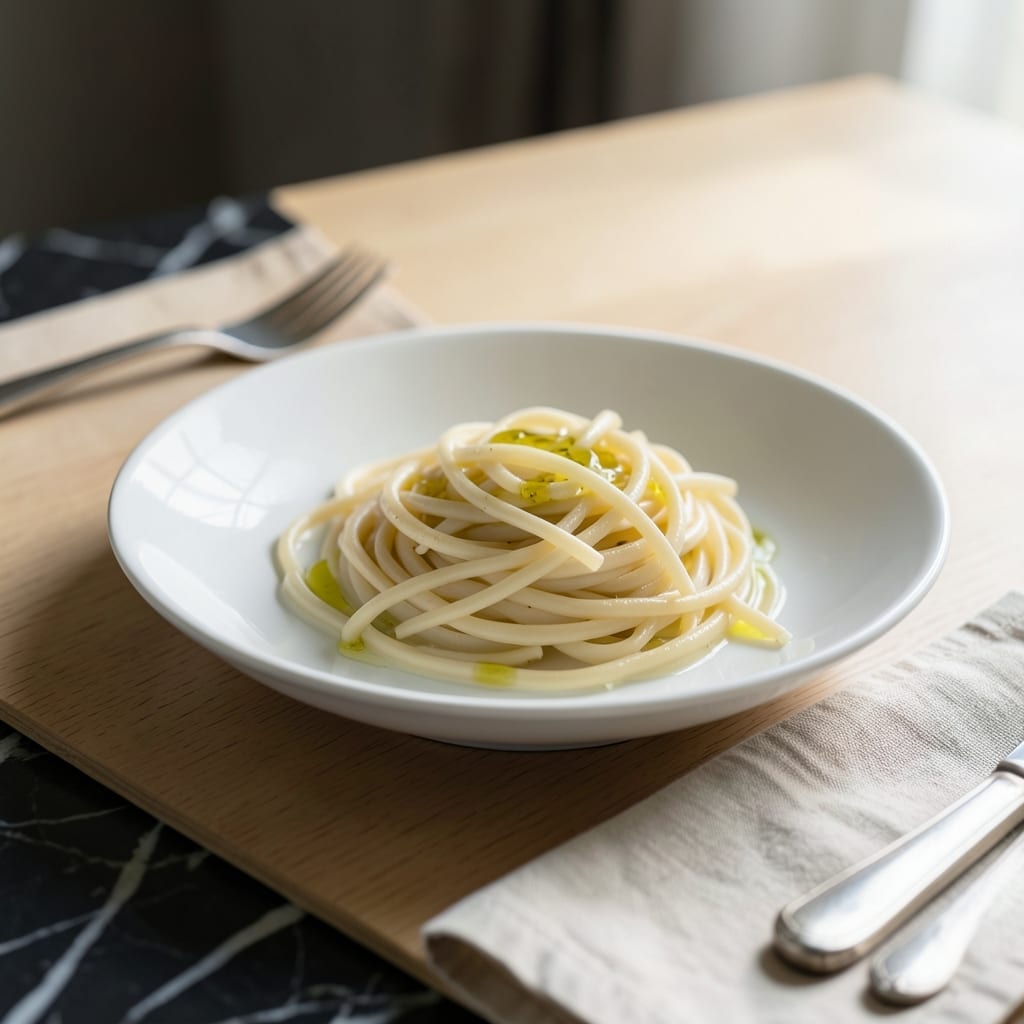
When your stomach needs a break, this simple pasta dish provides gentle nourishment without irritation. The plain noodles absorb minimal ingredients while offering easy-to-digest carbohydrates for quick relief.
I developed this method using just 3 ingredients—pasta, water, and a touch of salt—to create a base that won’t overwhelm sensitive digestion. The cooking process is straightforward, ensuring the noodles come out tender but not mushy.
The result is a comforting bowl of plain pasta that soothes rather than challenges your system. It’s ready in 15 minutes, making it ideal when you need something fast and gentle.
This approach lets you control every element, from cooking time to seasoning level, for maximum comfort when you need it most.
Ingredients for Bland Pasta Recipe for Upset Stomach
Just three simple ingredients for gentle, easy-to-digest comfort in a bowl.
| Ingredient | Amount | Notes |
|---|---|---|
| Plain Pasta 🍝 | 4 oz | Any small shape like orzo or elbow macaroni |
| Water 💧 | 4 cups | For boiling pasta |
| Salt 🧂 | ¼ tsp | Added to boiling water |
[recipe_ingredient_scaler]
The pasta shape matters here—smaller shapes like orzo or elbow macaroni are gentler on the stomach. Barilla or De Cecco have reliable quality at most grocery stores. Avoid whole wheat or high-fiber varieties (they can be harder to digest). Plain white pasta cooks predictably and provides the bland base you need right now.
No small pasta shapes on hand? Any plain white pasta works in a pinch—just break spaghetti into smaller pieces. The salt is optional but helps flavor the noodles slightly without irritation. Skip all oil, butter, or sauces—this needs to stay as plain as possible for maximum stomach-friendliness. If you’re craving warmth, slightly warmer water than usual can help.
Cooked pasta holds well for 2-3 days in the fridge, but it’s best fresh. Store plain without any additions. Reheat gently with a splash of water to prevent sticking. This is the kind of dish you make exactly when you need it.
Why You’ll Love This Recipe
- One Pot Wonder: I just boil pasta, salt the water, and it’s done—no extra pans or fancy steps.
- Gentle Comfort: The plain pasta with just a touch of salt is exactly what my stomach needs when it’s acting up.
- Kid Tested: Even my picky nephew will eat this when he’s not feeling well, no complaints.
- Pennies per Serving: A box of pasta and a pinch of salt cost less than a cup of coffee and lasts for days.
Step-by-Step Instructions for Bland Pasta
Here’s the method. Simple, gentle, and ready in minutes for quick relief.
Step 1: Boil Water with Minimal Salt
Fill a medium saucepan with the 4 cups Water and place it over high heat. I always use a saucepan with a tight-fitting lid to speed up the boiling process. As the water heats, add just the 0.25 tsp Salt—this is enough to enhance flavor slightly without irritating a sensitive stomach.
Bring the water to a full, rolling boil. You’ll see large bubbles breaking the surface rapidly and steam rising steadily. This usually takes 5-7 minutes depending on your stove. Don’t add oil to the water, as it can prevent the pasta from cooking evenly and isn’t necessary for this simple preparation.
Step 2: Cook the Pasta Until Tender
Once the water reaches a vigorous boil, add the 4 oz Plain Pasta. Stir immediately with a wooden spoon to prevent sticking, especially during the first 30 seconds when pasta tends to clump. Small shapes like orzo or elbow macaroni work best here as they cook quickly and are easy to digest.
Return the water to a boil, then reduce heat to medium-low to maintain a gentle boil. Cook the pasta according to package directions, stirring occasionally, until it reaches the al dente stage. For most small pasta shapes, this takes 7-9 minutes. Test a piece by biting into it—it should be tender but still offer slight resistance at the center.
Unlike dishes where you want to preserve bite, for soothing pasta I actually cook it 1-2 minutes longer than al dente. The softer texture is gentler on the stomach. You’ll notice the pasta pieces have expanded and become very pliable when fully cooked.
Step 3: Drain and Rinse for Maximum Gentleness
When the pasta is fully cooked, carefully pour the contents into a colander in the sink. Be cautious of the steam as you drain. I find it helpful to use the saucepan lid to shield my hand from the hot steam while pouring.
Here’s the thing—rinsing the pasta with cool water stops the cooking process immediately and removes any surface starch that might cause mild irritation. Run the pasta under cool tap water for 10-15 seconds, gently stirring with your hand to ensure all pieces are rinsed. This also cools the pasta slightly, making it more comfortable to eat when you’re not feeling well.
Shake the colander gently to remove excess water. The pasta should be slightly cool to the touch and very soft. If you’re concerned about the pasta sticking, you can return it to the saucepan with a tiny splash of water, but avoid adding any fat or oil.
Step 4: Serve Plain and Warm
Transfer the pasta to a clean serving bowl. At this point, resist the urge to add anything else—no butter, no sauce, no cheese. The beauty of this dish lies in its simplicity. The plain pasta provides easily digestible carbohydrates that can help settle your stomach without adding any potentially irritating elements.
Serve the pasta warm, not piping hot. The ideal serving temperature is just above body temperature—warm enough to be comforting but not so hot that it could further upset your stomach. If the pasta has cooled too much during rinsing, you can briefly return it to the warm saucepan to take the chill off.
Portion into two equal servings as indicated by the recipe. Each serving should be about 2 oz of cooked pasta, which is the perfect amount to test your stomach’s tolerance without overwhelming it. Eat slowly and listen to your body’s response.
Pro Tips For Making Bland Pasta Recipe For Upset Stomach
- Salt the Water: Use about 1 tablespoon of salt per gallon of water—sounds like a lot, but bland pasta needs this to taste like anything at all.
- Test Early: Start checking for doneness 1-2 minutes before the package says—overcooked pasta turns to mush, and that’s the last thing you want with an upset stomach.
- Rinse Quickly: If the pasta needs to be extra gentle, rinse it under warm water for 5 seconds after draining to stop the cooking and remove excess starch.
- Use Thin Pasta: Angel hair or thin spaghetti cooks faster and sits lighter in your stomach—skip the thick, chewy shapes for this one.
Dietary Considerations for This Recipe
Gluten-Free Option
For those avoiding gluten, white rice pasta works beautifully here. I recommend Jovial or Tinkyada brands for their smooth texture. Cook it 1-2 minutes longer than the package suggests to ensure it’s extra soft and gentle on your stomach.
Low-FODMAP Adaptation
This recipe is naturally low-FODMAP as written. Stick with plain white pasta and avoid adding garlic or onion powders. The small amount of salt won’t trigger symptoms, making this a safe choice during digestive flare-ups. 💪
Dairy-Free Note
Since this dish contains no dairy to begin with, it’s perfect for lactose-sensitive individuals. Just ensure your pasta brand doesn’t contain milk derivatives—most standard varieties are dairy-free. Always check labels to be certain.
Adding Gentle Nutrition
Once your stomach tolerates the plain version, try adding 1 tbsp olive oil or a sprinkle of grated Parmesan (if dairy isn’t an issue). These small additions provide healthy fats and protein while maintaining the soothing nature of the dish.
For Severe Sensitivity
If you’re extremely sensitive, use distilled water for cooking and skip the salt entirely. Some find that even trace minerals in tap water can cause discomfort during severe episodes. This creates the most gentle version possible.
Hydration Pairing
Serve with room temperature water or ginger tea to aid digestion. Avoid cold drinks which can cause stomach cramps. Sip slowly between bites to help the pasta move gently through your system. ✨
Nutrition Facts
Frequently Asked Questions
Can I use whole wheat pasta instead?
It’s best to avoid whole wheat as it contains more fiber, which can be harder to digest. Stick with plain white pasta for the gentlest option.
Why do you rinse the pasta after cooking?
Rinsing removes surface starch and stops the cooking process, making the pasta easier to digest. It also cools it slightly for comfort.
How long can I store cooked plain pasta?
Store in an airtight container in the fridge for up to 2-3 days. Reheat gently with a splash of water.
What if I’m sensitive to salt?
Skip the salt entirely and use distilled water if needed. This creates the most gentle version possible.

Trained in classic French technique but raised on slow-cooked ribs and spicy rubs, she blends culinary skill with smoke and soul.
- Recipe for Boneless Pork Chops in Cast Iron Skillet: Sear and Baste to Juicy Perfection - October 3, 2026
- Recipe for Boneless Cross Rib Roast: Slow-Roasted Beef with Herb Crust - October 3, 2026
- Hamburgers in Sauce Recipe Crock Pot: Slow-Cooked Savory Delight - October 3, 2026