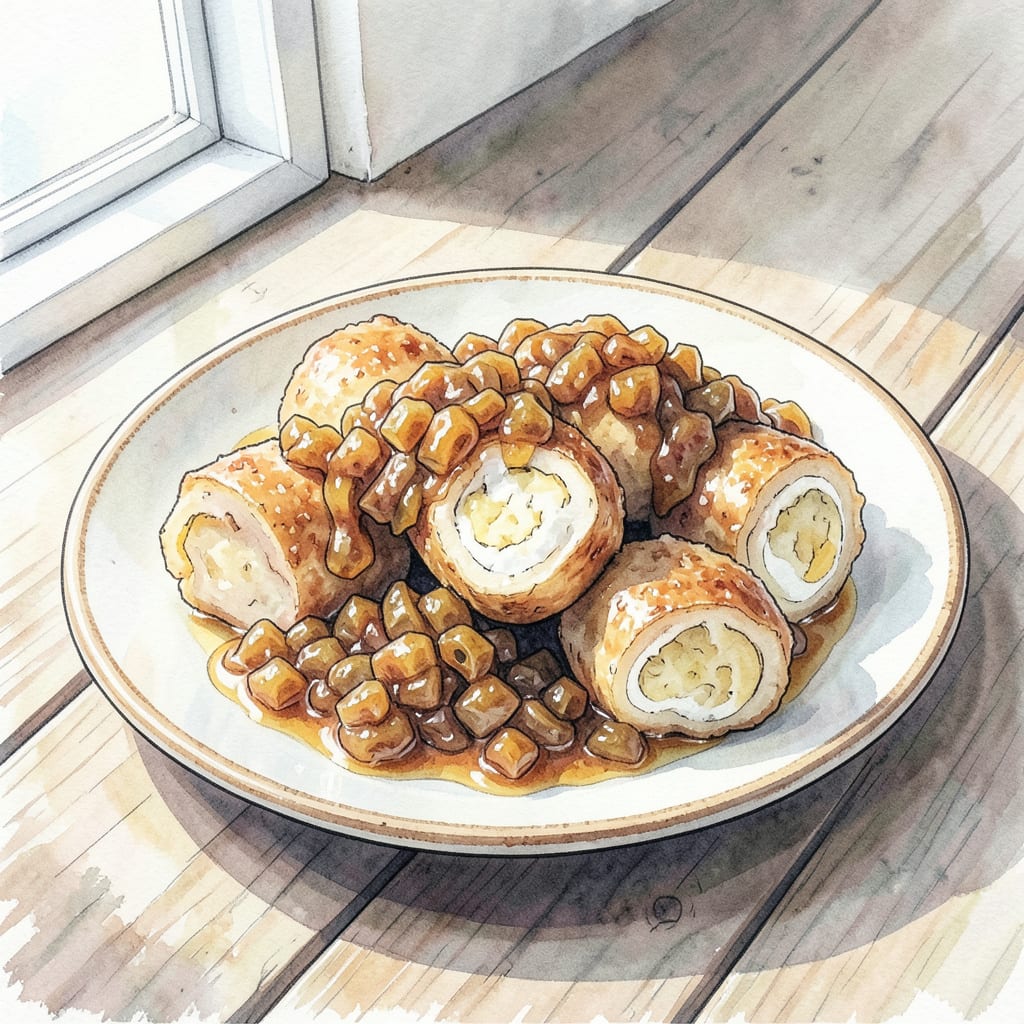
Growing up with the rich flavors of Polish comfort food, I’m excited to share my take on traditional bobalki with sauerkraut. This hearty dish combines tender potato dumplings with tangy fermented cabbage, creating a satisfying meal that’s perfect for chilly evenings.
The secret to this recipe lies in balancing the crispy exterior of the bobalki with the tender, slightly sour sauerkraut. By carefully cooking both components, you’ll achieve a harmonious blend of textures and flavors that will become a new family favorite.
Ingredients for Bobalki with Sauerkraut
Gather ingredients for this hearty Polish comfort dish featuring tender potato dumplings and tangy sauerkraut.
| Ingredient | Amount | Notes |
|---|---|---|
| All-Purpose Flour 🌾 | 2 cups | Unbleached, all-purpose variety |
| Large Eggs 🥚 | 2 whole | Room temperature for better dough |
| Sour Cream 🥛 | 1 cup | Full-fat for richer bobalki |
| Unsalted Butter 🧈 | 4 tbsp | Melted and cooled slightly |
| Russet Potatoes 🥔 | 2 lb | Peeled and grated for dough |
| Yellow Onion 🧅 | 1 whole | Finely chopped for dough flavor |
| Sauerkraut 🥬 | 1 ½ cups | Drained and rinsed before cooking |
| Bacon or Salt Pork 🥓 | 6 slices | Diced for sauerkraut flavor |
| Caraway Seeds 🌿 | 1 tbsp | Toasted for enhanced flavor |
| Black Pepper 🌶️ | ½ tsp | Freshly ground for best flavor |
| Salt 🧂 | 1 tsp | Kosher or sea salt preferred |
| Vegetable Oil 🫒 | ¼ cup | For frying bobalki until crispy |
[recipe_ingredient_scaler]
For the bobalki dough, using high-quality potatoes like Russet or Idaho gives the best texture. I prefer grating them myself rather than using pre-processed potato flakes. The sour cream adds richness—don’t skip the full-fat version here. When shopping for sauerkraut, look for it in the produce section or at European delis for the best flavor.
No bacon? Smoked paprika can give a similar smoky depth. Want a lighter version? Use turkey bacon or omit it entirely. The caraway seeds are key—they add that authentic Polish flavor. If you can’t find them, fennel seeds make a good substitute. For an extra-crispy exterior on the bobalki, make sure the oil is hot enough before frying.
These keep well in the fridge for 3-4 days. Reheat in a skillet with a bit of oil to restore crispiness. The sauerkraut can be made ahead and stored in the fridge for up to 1 week—the flavors meld beautifully. Freeze individual portions of both components for up to 3 months.
Step-by-Step Instructions for Bobalki with Sauerkraut
Now that we have our ingredients ready, let’s dive into the cooking process. Here’s how to make this hearty Polish comfort food.
Step 1: Prepare the Potato Dough
Start by grating the 2 lb Russet Potatoes using a box grater or food processor. I prefer using a box grater as it gives a better texture to the dough. Once grated, squeeze out as much moisture as possible from the potatoes using a clean kitchen towel or cheesecloth. This step is crucial as excess moisture can make the dough difficult to work with.
In a large mixing bowl, combine the drained grated potatoes, 1 whole Yellow Onion (finely chopped), 2 whole Large Eggs, 1 cup Sour Cream, and 4 tbsp Unsalted Butter (melted and cooled slightly). Mix these ingredients until they form a cohesive dough. The mixture should be smooth and slightly sticky but not wet. If it’s too dry, you can add a little more sour cream.
Step 2: Cook the Sauerkraut with Bacon or Salt Pork
In a large skillet, cook the 6 slices Bacon or Salt Pork (diced) over medium heat until crispy. Remove the cooked bacon from the skillet, leaving the rendered fat behind. Add the 1.5 cups Sauerkraut (drained and rinsed) to the skillet and stir to coat with the bacon fat. Cook for about 10 minutes, stirring occasionally, until the sauerkraut is heated through and slightly caramelized. Add the cooked bacon back into the skillet along with 1 tbsp Caraway Seeds (toasted) and 0.5 tsp Black Pepper. Stir well to combine.
Step 3: Shape and Fry the Bobalki
Divide the potato dough into 8 equal portions. Shape each portion into a ball and then flatten it slightly into a disk shape. Heat the 0.25 cup Vegetable Oil in a large frying pan over medium-high heat. When the oil is hot, add the bobalki and fry until they are golden brown on both sides, about 4-5 minutes per side. Drain the fried bobalki on paper towels.
Step 4: Serve with Sauerkraut
To serve, place a few bobalki on a plate and top with the prepared sauerkraut. You can also serve additional sour cream or applesauce on the side if desired. The combination of the crispy bobalki and the tangy sauerkraut is a classic comfort food dish that warms the heart.
Troubleshooting Perfect Results
Common Cooking Issues
One of the most common problems when making bobalki is dough that’s too wet or too dry. If your dough feels too sticky, add a bit more flour (start with ¼ cup) until it reaches a workable consistency. Conversely, if it’s too dry, add a touch more sour cream (about 1-2 tbsp) to bring it together. I like to test the dough by forming a small ball – if it holds its shape without cracking or sticking, it’s ready.
Sauerkraut Troubleshooting
If your sauerkraut is too sour, try rinsing it under cold water before cooking. For a richer flavor, cook it longer with the bacon or salt pork until it’s nicely caramelized. Sometimes sauerkraut can be too wet – if that’s the case, drain it well before adding to the pan. I like to add the caraway seeds towards the end of cooking to preserve their flavor and aroma.
Bobalki Frying Problems
If your bobalki aren’t getting crispy, check that your oil is hot enough (375°F is ideal). If the oil is too cool, they’ll absorb too much oil and become soggy. Don’t overcrowd the pan – fry in batches if necessary. After frying, drain on paper towels to remove excess oil. For an extra crispy exterior, you can chill the shaped bobalki in the refrigerator for 30 minutes before frying.
Potato Dough Challenges
Sometimes the potato dough can be tricky to work with, especially if the potatoes are too wet.
Reheating Tips
To reheat leftover bobalki, I recommend using a skillet with a bit of oil over medium heat. This helps restore their crispy exterior. For the sauerkraut, a quick reheat in the microwave or on the stovetop works well. You can also make both components ahead and store them separately in the refrigerator for up to 3-4 days – the flavors meld beautifully when reheated.
Storage Solutions
For longer storage, you can freeze the cooked bobalki on a baking sheet before transferring them to a freezer-safe container or bag. They’ll keep for up to 3 months. The sauerkraut can also be frozen, though it’s best used within 1 month for optimal flavor. When you’re ready to eat them, simply thaw overnight in the refrigerator and reheat as described above.

Trained in classic French technique but raised on slow-cooked ribs and spicy rubs, she blends culinary skill with smoke and soul.
- Recipe for Boneless Pork Chops in Cast Iron Skillet: Sear and Baste to Juicy Perfection - October 3, 2026
- Recipe for Boneless Cross Rib Roast: Slow-Roasted Beef with Herb Crust - October 3, 2026
- Hamburgers in Sauce Recipe Crock Pot: Slow-Cooked Savory Delight - October 3, 2026