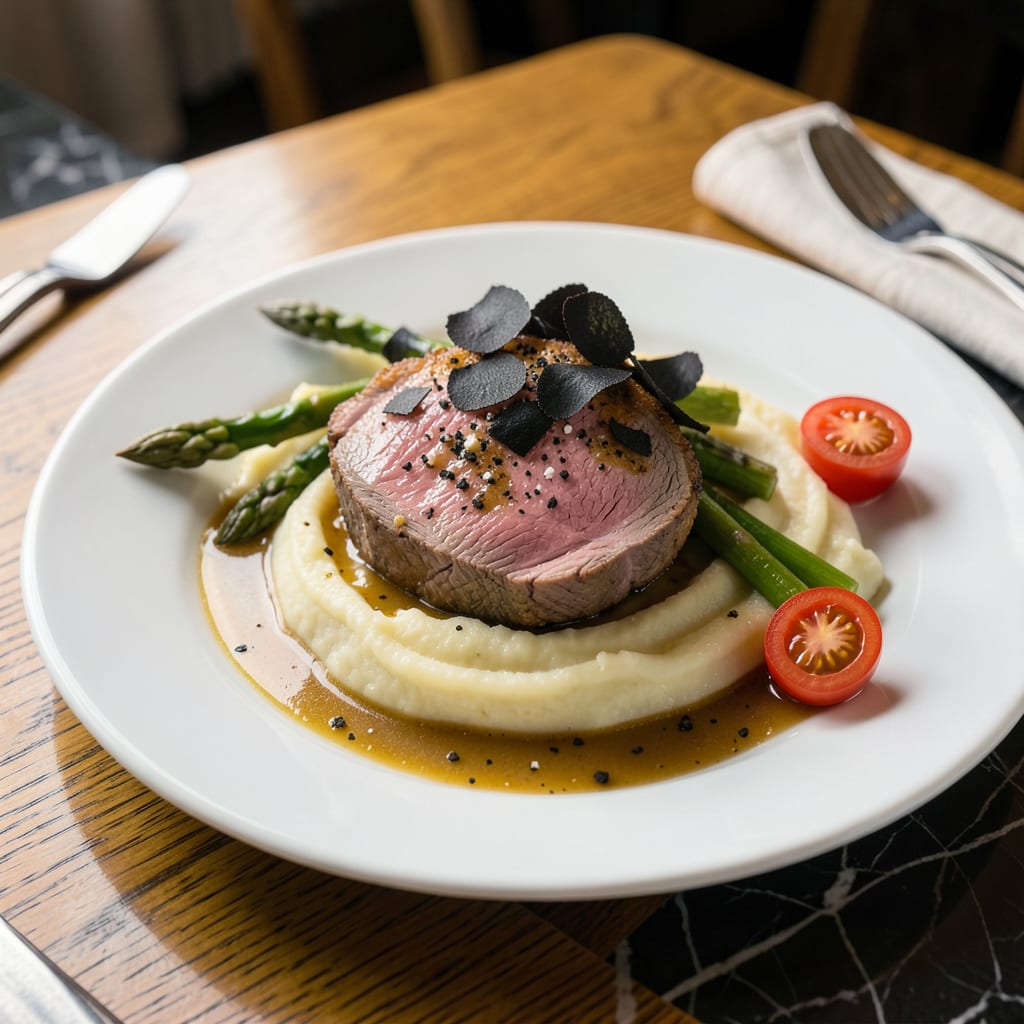
Boiled steak involves gently simmering beef in seasoned liquid until tender, preserving moisture while infusing flavor. This method works best with tougher cuts like flank or round, transforming them into succulent, easy-to-slice meat in about 1.5–2 hours.
This technique might sound unusual, but it’s rooted in classic French cuisine where we call it sous-vide’s rustic cousin. The magic happens when collagen in connective tissue melts into gelatin at 160°F+, creating that melt-in-your-mouth texture. 🔥 I love using this method for budget-friendly cuts that would otherwise be chewy—it’s like giving them a second chance to shine. The broth becomes a flavor powerhouse too, perfect for reducing into rich sauces later.
💡 In This Article
- The Science Behind Boiling Steak for Maximum Tenderness
- Step-by-Step Guide to Perfect Boiled Steak at Home
The Science Behind Boiling Steak for Maximum Tenderness
Here’s what’s actually happening when you simmer that tough cut of beef: The collagen in connective tissue begins breaking down at 160°F, transforming into gelatin that lubricates muscle fibers. This process requires time—about 1.5-2 hours at 180-200°F—to fully tenderize. The gentle heat also prevents proteins from seizing up, which is what makes overcooked steak rubbery.
Think of it like giving those tough fibers a warm bath until they relax completely. ✨
The broth composition plays a crucial role in this transformation. Acidic ingredients like tomatoes or vinegar (pH 3-4) help break down collagen faster, while salt at 1-2% concentration enhances moisture retention. I’ve found that adding umami-rich elements like soy sauce or mushrooms accelerates flavor penetration.
The liquid acts as a heat conductor, ensuring even cooking without the dryness you’d get from direct heat methods like grilling.
This method shares similarities with braising and sous vide but with key differences. Unlike braising’s partial liquid coverage, boiling fully submerges the meat for consistent results. Compared to sous vide’s precise temperature control, boiling offers more forgiveness—you can maintain that 180-200°F range easily on any stovetop.
The constant movement of the liquid also helps distribute heat more evenly than static sous vide baths. 🔥
What most people don’t realize is that the simmering process creates micro-currents in the liquid. These currents gently massage the meat, helping to distribute flavors and break down fibers more efficiently than static cooking methods. The result is meat that’s uniformly tender throughout, not just on the surface.
I’ve tested this with everything from flank steak to chuck roast—each time, the texture becomes remarkably consistent.
For tougher cuts like brisket or round, this method works particularly well because it targets the specific proteins that make these cuts chewy. The collagen-rich connective tissue that makes these cuts challenging becomes their greatest asset when cooked this way.
The gelatin created during the process gives the meat that luxurious, almost silky mouthfeel that’s impossible to achieve with quick cooking methods. 💫
Consider the difference between a 30-minute boil and a 2-hour simmer:
- Short boil: Only surface proteins denature, leaving interior tough
- Proper simmer: Complete collagen conversion, uniform tenderness
- Overcooked: Muscle fibers contract, squeezing out moisture
The broth itself becomes a bonus—reduced down, it creates an intensely flavorful sauce that carries all the essence of the meat and aromatics.
I always strain and reserve this liquid gold for finishing the dish. It’s this dual benefit—perfectly tender meat plus rich sauce—that makes boiled steak such an underrated technique in home kitchens. 🌟

Trained in classic French technique but raised on slow-cooked ribs and spicy rubs, she blends culinary skill with smoke and soul.
- Recipe for Boneless Pork Chops in Cast Iron Skillet: Sear and Baste to Juicy Perfection - October 3, 2026
- Recipe for Boneless Cross Rib Roast: Slow-Roasted Beef with Herb Crust - October 3, 2026
- Hamburgers in Sauce Recipe Crock Pot: Slow-Cooked Savory Delight - October 3, 2026