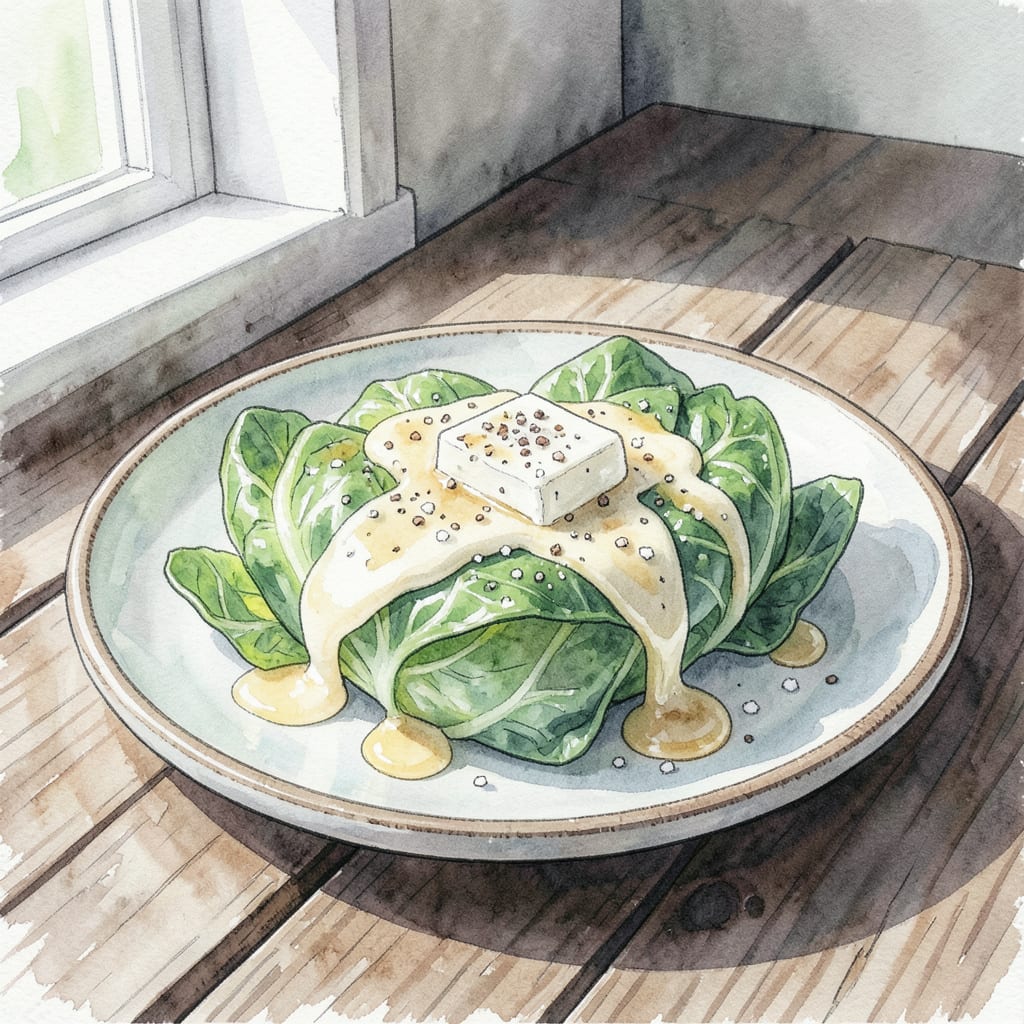
Boiling cabbage might seem straightforward, but achieving that perfect tender texture requires finesse. 🔥 I’ve perfected this simple recipe through years of experimenting with different cabbage varieties and cooking times.
The result is a tender and flavorful side dish that complements everything from roasted meats to hearty stews. This straightforward method ensures consistent results every time, making it a reliable addition to your weekly meal rotation.
Ingredients for Boiling Cabbage
Simple ingredients make this tender cabbage dish shine with minimal fuss.
| Ingredient | Amount | Notes |
|---|---|---|
| Green Cabbage Head 🥬 | 1 whole | Any variety, cored and quartered |
| Water 💧 | 4 cups | For boiling, salted |
| Kosher Salt 🧂 | 1 tbsp | For seasoning water |
| Unsalted Butter 🧈 | 2 tbsp | For finishing, melted |
| Black Pepper 🌶️ | ½ tsp | Freshly ground, to taste |
| Apple Cider Vinegar 🍎 | 1 tbsp | Optional, for brightness |
[recipe_ingredient_scaler]
The cabbage is the star here. Green or Savoy work beautifully—avoid red as it loses color when boiled. Most grocery stores carry multiple varieties. For the best results, choose a firm head with crisp leaves. I find Whole Foods usually has the freshest selection, but your local farmer’s market is an even better bet for peak freshness.
No apple cider vinegar? No problem. You can swap in white wine vinegar or skip it entirely if you prefer. The butter can be adjusted to taste—some like it rich and buttery, others prefer a lighter touch. For a vegan version, try substituting with olive oil or vegan butter. The salt is crucial for bringing out the natural sweetness, so don’t skip it.
This dish is best made fresh, but leftovers can be stored in an airtight container in the fridge for up to 3 days. Reheat gently on the stovetop or in the microwave. The flavors actually meld together nicely after a day, making it a great make-ahead side dish for busy weeknights.
Step-by-Step Instructions for Boiling Cabbage
Follow these precise steps to achieve perfectly tender and flavorful boiled cabbage every time.
🍳 Step 1: Prepare the Cabbage and Boiling Water
Start by coring and quartering the 1 whole Green Cabbage Head. I like to remove the tough outer leaves and core for better texture. Next, bring the 4 cups Water to a rolling boil in a large pot. Once boiling, add the 1 tbsp Kosher Salt and stir to dissolve. The salted water helps season the cabbage from the inside out.
When the water is boiling vigorously, carefully add the quartered cabbage to the pot. Make sure the water covers the cabbage completely—if necessary, add a bit more water. The cabbage will initially float, but it will start to wilt as it cooks.
⏰ Step 2: Boil Until Tender
Boil the cabbage for 8-10 minutes until it reaches your desired tenderness. I prefer mine tender but still crisp, so I check for doneness by piercing a leaf with a fork—it should slide in easily. If you prefer it softer, continue boiling for another 2-3 minutes. The key is to monitor the texture closely as overcooking can make it mushy.
During cooking, you’ll notice the cabbage leaves starting to separate and soften. This is normal and indicates that it’s cooking evenly. Keep an eye on the water level to ensure it doesn’t boil over.
🥘 Step 3: Drain and Finish with Butter and Seasonings
Once the cabbage is cooked to your liking, drain it in a colander and return it to the pot. Add the 2 tbsp Unsalted Butter and let it melt over the cabbage. The residual heat will melt the butter, coating the leaves evenly. I like to use high-quality unsalted butter as it adds a rich, creamy flavor.
Season the cabbage with 0.5 tsp Black Pepper to taste. If you’re feeling adventurous, add the 1 tbsp Apple Cider Vinegar for a touch of brightness that balances the richness of the butter. Toss everything together gently to distribute the butter and seasonings evenly.
👨🍳 Step 4: Serve Hot
Transfer the boiled cabbage to a serving dish and serve hot. The cabbage should be tender, flavorful, and beautifully glazed with the melted butter. This simple preparation makes a fantastic side dish that pairs well with hearty meats and comforting main courses. Enjoy the fruits of your labor!
Make-Ahead Tips for This Dish
Advance Preparation Tips
Boiled cabbage can be prepared ahead of time to save on cooking day stress. I often core and quarter the cabbage the night before, storing it in an airtight container in the refrigerator. This allows me to jump straight into cooking when I’m ready. Simply keep it dry to prevent premature wilting.
Reheating Strategies
To reheat boiled cabbage, I recommend using a gentle stovetop method. Place the cabbage in a pan with a splash of water or broth, cover, and heat over low heat for 3-5 minutes. You can also reheat in the microwave by covering with a damp paper towel and heating in 30-second intervals until hot. Add a pat of butter before serving to refresh the flavors. 🔥
Make-Ahead Storage
Cooked cabbage can be stored in the refrigerator for up to 3 days. Let it cool completely before transferring to an airtight container. When you’re ready to serve, the reheating methods mentioned above work beautifully. The flavors actually meld together nicely after a day, making it a great candidate for meal prep.
Freezer-Friendly Variations
While boiled cabbage is best fresh, you can freeze it for longer storage. Blanch the cooked cabbage in boiling water for 2 minutes, then shock it in an ice bath. Package in freezer-safe bags or containers, removing as much air as possible. Frozen cabbage will keep for up to 3 months. Thaw overnight in the refrigerator before reheating.
Batch Cooking Benefits
Boiling cabbage in large batches can be a time-saver for weekly meal prep. Simply multiply the ingredients and cook in a larger pot. Portion into individual containers for easy grab-and-go meals throughout the week. This approach works particularly well when paired with other staple vegetables like carrots or potatoes.
Seasoning Adjustments
When reheating, you may need to adjust the seasonings. I like to add a sprinkle of kosher salt and a grind of black pepper to refresh the flavors. If it tastes flat, a squeeze of fresh lemon juice or a splash of apple cider vinegar can brighten it up nicely. Taste and adjust as you go to achieve the perfect balance.

Trained in classic French technique but raised on slow-cooked ribs and spicy rubs, she blends culinary skill with smoke and soul.
- Recipe for Boneless Pork Chops in Cast Iron Skillet: Sear and Baste to Juicy Perfection - October 3, 2026
- Recipe for Boneless Cross Rib Roast: Slow-Roasted Beef with Herb Crust - October 3, 2026
- Hamburgers in Sauce Recipe Crock Pot: Slow-Cooked Savory Delight - October 3, 2026