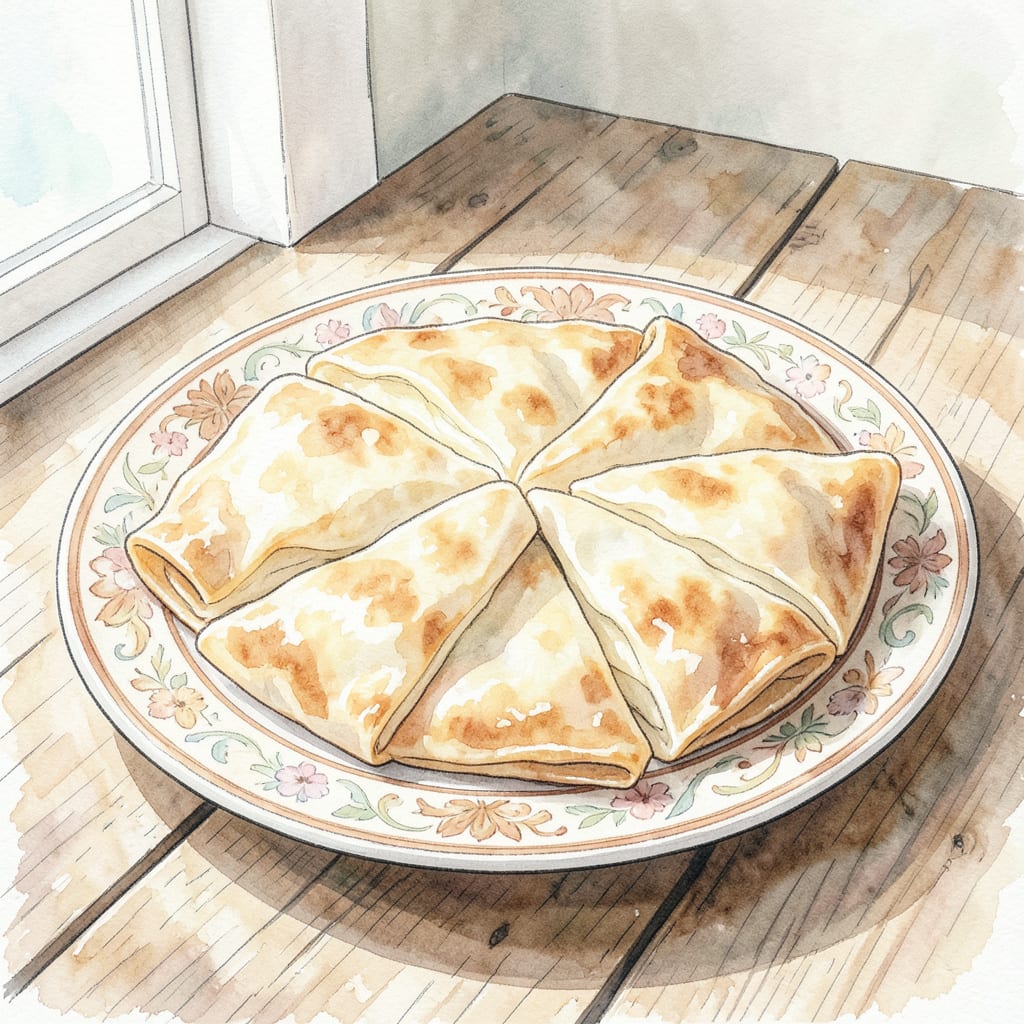
Making flaky borek dough from scratch is easier than you think. With just a few simple ingredients and some patience, you’ll be rewarded with layers of tender, crispy pastry that elevate any filling.
This easy recipe guides you through creating the perfect dough, from mixing to rolling, and provides tips for achieving that signature flaky texture. Whether you’re wrapping cheese, spinach, or meat, your homemade borek will impress. 🔥
Ingredients for Borek Dough
Simple ingredients come together to create this flaky, tender borek dough recipe.
| Ingredient | Amount | Notes |
|---|---|---|
| All-Purpose Flour 🌾 | 2 ½ cups | Unbleached, all-purpose for best texture |
| Unsalted Butter 🧈 | 1 cup | Cold, cut into small cubes |
| Water 💧 | ¾ cup | Ice-cold for best results |
| Salt 🧂 | 1 tsp | Kosher or flaky sea salt preferred |
| White Vinegar 🍋 | 1 tbsp | Adds tenderness to dough |
| Egg 🥚 | 1 whole | Beaten for egg wash (optional) |
[recipe_ingredient_scaler]
For the best results, use cold ingredients throughout—chill your butter and use ice-cold water. I always keep my flour in the freezer, too, which helps create that perfect flaky texture. When shopping, look for high-quality all-purpose flour with a good protein content. This makes all the difference in achieving that tender, layered dough. You’ll find the best options at Whole Foods or specialty baking stores.
No white vinegar? You can substitute with lemon juice at the same amount. Want to make this dough ahead? Mix the dough, rest it in the fridge for up to 24 hours, then roll it out when you’re ready. The dough freezes beautifully, too—just thaw it slowly in the fridge overnight. For an extra-flaky texture, try folding the dough like a letter during the rolling process.
This dough keeps for 2-3 days in the fridge, wrapped tightly in plastic. Freeze it for up to 3 months for longer storage. When you’re ready to bake, brush with egg wash for that golden finish. I like to portion the dough into 4 equal pieces so I can make individual borek—perfect for freezing and baking later.
Step-by-Step Instructions for Borek Dough
Let’s create the flaky, tender dough that makes borek so irresistible.
👨🍳 Step 1: Combine Dry Ingredients and Begin Butter Incorporation
Start by whisking together the 2.5 cups All-Purpose Flour and 1 tsp Salt in a large mixing bowl until well combined. I like to use a balloon whisk for this step as it incorporates air into the flour, making the dough lighter. Next, add the 1 cup Unsalted Butter (straight from the fridge, cut into small cubes) to the flour mixture. Use a pastry blender or your fingertips to work the butter into the flour until the mixture resembles coarse crumbs with some larger pea-sized pieces of butter remaining. This step is crucial for creating those beautiful flaky layers in your borek.
The reason we leave some larger butter pieces is that they’ll melt during baking, creating steam pockets that separate the dough layers. Don’t overwork the mixture—you want to maintain that contrast between floury bits and butter chunks. This texture will give your borek dough its signature tenderness and layering.
🥘 Step 2: Add Wet Ingredients and Form the Dough
In a separate bowl, whisk together the 0.75 cup Water, 1 tbsp White Vinegar, and 1 whole Egg (beaten lightly). The vinegar might seem unusual, but it adds tenderness to the dough by relaxing the gluten. Pour this wet mixture into the flour-butter mixture and use a fork to gently combine everything. Be careful not to overmix—the dough should still look a bit shaggy at this stage.
Turn the dough out onto a lightly floured surface and knead it gently just until it comes together in a cohesive mass. Don’t worry if it still feels a bit rough—this is perfect. Form the dough into a flat disc, wrap it tightly in plastic wrap, and refrigerate for at least 1 hour or up to 24 hours. The resting period allows the flour to fully hydrate and the butter to firm up again, making the dough easier to roll out later.
🔄 Step 3: Roll and Fold for Flaky Layers
On a lightly floured surface, roll the chilled dough into a large rectangle, about ¼-inch thick. I like to use a marble rolling surface as it keeps the butter cold. Fold the dough into thirds like a letter, then fold it in half again (this is called a “double fold”). Rotate the dough 90 degrees, roll it out again into a rectangle, and repeat the double fold process. This rolling and folding creates multiple layers that will puff beautifully during baking.
After the second fold, wrap the dough tightly and refrigerate for another 30 minutes to firm up before using. This final rest period makes the dough easier to handle and ensures that your borek maintains its shape during baking. When you’re ready to assemble your borek, the dough should be pliable but still cold to the touch—perfect for creating beautifully filled pastries.
Perfect Pairings for This borek dough
Traditional Turkish Beverage Pairings
In Turkey, where borek originated, you’ll often find this delicious pastry paired with Turkish tea (çay) or apple tea. The slightly bitter tea complements the rich, flaky dough perfectly. For a modern twist, try serving your borek with cold brew coffee or a refreshing lemon-mint infused water. 🍵
Perfect Side Salads
A simple mixed green salad with a light vinaigrette dressing provides a nice contrast to the richness of borek. Consider adding some pickled vegetables like cucumbers or carrots to cut through the richness. For a more substantial side, try a cucumber-tomato salad with fresh herbs like parsley or dill. The crisp vegetables help balance the meal. 🌿
Complementary Sauces and Dips
Serve your borek with a side of garlic yogurt sauce for a creamy, tangy contrast. For a spicy kick, offer harissa or a chili-flake infused olive oil. If you’re serving meat-filled borek, a tzatziki sauce can provide cooling relief. These sauces add an extra layer of flavor that complements the dough beautifully. 🔥
Wine Pairing Options
For a more sophisticated serving, consider pairing your borek with a dry white wine like Pinot Grigio or Sauvignon Blanc. These crisp wines cut through the richness of the pastry. If you prefer red wine, a light-bodied Pinot Noir can work well, especially with meat or mushroom fillings. The acidity helps balance the meal. 🍷
Modern Fusion Pairings
For a contemporary twist, try serving your borek with roasted vegetable soup or a spicy tomato soup. The combination of the warm, flaky pastry with a comforting soup creates a satisfying meal. You can also pair borek with a fruit chutney for a sweet and savory contrast that will surprise and delight your guests.
Nutrition Facts

Trained in classic French technique but raised on slow-cooked ribs and spicy rubs, she blends culinary skill with smoke and soul.
- Recipe for Boneless Pork Chops in Cast Iron Skillet: Sear and Baste to Juicy Perfection - October 3, 2026
- Recipe for Boneless Cross Rib Roast: Slow-Roasted Beef with Herb Crust - October 3, 2026
- Hamburgers in Sauce Recipe Crock Pot: Slow-Cooked Savory Delight - October 3, 2026