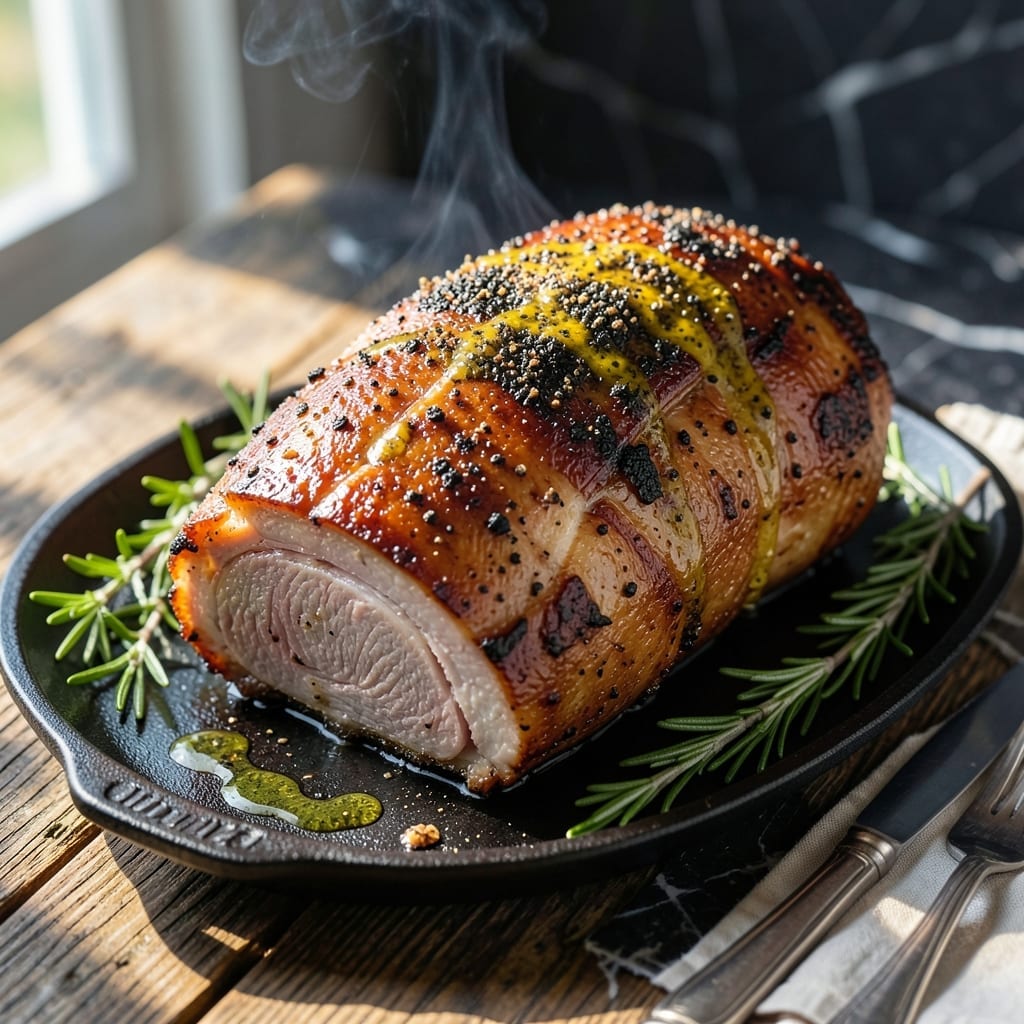
There’s nothing like the aroma of a Boston butt roast slowly smoking on the grill, developing a dark, tender bark that gives way to juicy, pull-apart meat inside. This method transforms a humble cut into a showstopper.
I’ve perfected this technique over years of competition and backyard cookouts, blending classic pitmaster wisdom with precision. The key is patience—low heat, steady smoke, and a simple rub that lets the pork shine.
By the time it’s done, the exterior will be richly caramelized while the interior stays moist and fork-tender. Every bite delivers that perfect balance of smoky depth and succulent texture.
Serve it sliced, shredded, or chopped for sandwiches that will have everyone asking for seconds.
Ingredients for Boston Butt Roast Recipe Grill
A simple rub and wood smoke transform this humble pork cut into competition-worthy barbecue.
| Ingredient | Amount | Notes |
|---|---|---|
| Boston Butt Pork Roast 🍖 | 8 lb | Bone-in preferred for flavor |
| Kosher Salt 🧂 | ¼ cup | Diamond Crystal preferred for texture |
| Coarse Black Pepper 🌶️ | 2 tbsp | Freshly ground for boldness |
| Paprika 🌶️ | 2 tbsp | Sweet or smoked variety |
| Garlic Powder 🧄 | 1 tbsp | Not garlic salt |
| Onion Powder 🧅 | 1 tbsp | Fresh ground preferred |
| Brown Sugar 🍬 | ½ cup | Light or dark works |
| Dijon Mustard 🟡 | 2 tbsp | For binder in rub |
| Apple Cider Vinegar 🍏 | ½ cup | For spritzing during cook |
| Hickory Wood Chunks 🪵 | 4 pieces | Or cherry wood for milder smoke |
| Yellow Mustard 🟡 | ¼ cup | For binder base layer |
| Chili Powder 🌶️ | 1 tbsp | Mild or hot depending on preference |
| Cayenne Pepper 🔥 | ½ tsp | Adjust for heat preference |
[recipe_ingredient_scaler]
The pork shoulder itself is critical. Boston butt with good marbling (look for intramuscular fat streaks) ensures juiciness. Costco and Sam’s Club offer consistent quality at bulk prices, but local butchers often have premium cuts. For wood, hickory provides classic smoke, while fruit woods like apple or cherry add subtle sweetness. Avoid pre-ground spices—they lose potency quickly.
No brown sugar? Raw turbinado sugar works but may create a crunchier bark. Out of Dijon? Whole-grain mustard adds texture, or use regular yellow in a pinch. The vinegar spritz can be apple juice mixed with water for a sweeter finish. For a spicier rub, increase cayenne to 1 tsp. The wood chunks can be substituted with pellets or chips in a smoker box.
Uncooked roast keeps in the fridge for 3-5 days or freezes for 3 months. Once smoked, store shredded pork in airtight containers for up to 1 week. The rub can be pre-mixed and stored in a cool, dark place for 6 months. Always bring meat to room temperature before applying rub.
Why You’ll Love This Recipe
- Set and Forget: I just rub the Boston butt with salt, pepper, paprika, and garlic powder, then let the grill do all the work for hours.
- Smoky Perfection: The dry rub creates this incredible crust while the pork stays juicy inside—every bite is packed with flavor.
- Weekend Hero: Between us, this is my secret for feeding a crowd without stressing over the stove.
- Leftovers for Days: One 8-pound butt gives me pulled pork for sandwiches, tacos, and freezer meals all week long.
Step-by-Step Instructions for Boston Butt Roast Grill
This method delivers competition-style results with a perfect bark and fall-apart texture.
Step 1: Prepare the Boston Butt with a Flavorful Rub
Begin by thoroughly coating the 8 lb Boston Butt Pork Roast with the 0.25 cup yellow mustard as a binder. This creates a sticky surface for the rub to adhere to. I use a basting brush to ensure complete coverage, especially in the crevices.
In a bowl, combine the 0.25 cup kosher salt, 2 tbsp coarse black pepper, 2 tbsp paprika, 1 tbsp garlic powder, 1 tbsp onion powder, 0.5 cup brown sugar, 2 tbsp Dijon mustard, 1 tbsp chili powder, and 0.5 tsp cayenne pepper. Apply this mixture generously to all sides of the pork, pressing firmly to create an even crust. Let it rest at room temperature for 30-45 minutes while you prepare the grill.
Step 2: Set Up the Grill for Indirect Cooking
Configure your grill for indirect heat by banking the charcoal or turning off one side of a gas grill. Add the 4 pieces hickory wood chunks to the hot coals or smoker box. Maintain a consistent temperature of 225-250°F throughout the cooking process.
Place a disposable aluminum pan filled with water on the grill grates to help maintain moisture. This is particularly important for long cooks like this one. You want the wood to produce thin blue smoke, not thick white smoke, which can impart bitter flavors.
Step 3: Smoke the Pork to the Perfect Internal Temperature
Place the seasoned Boston Butt on the grill grates away from direct heat, fat-side up. Insert a meat probe into the thickest part of the roast, avoiding the bone. Cook for 8-10 hours, spritzing with the 0.5 cup apple cider vinegar every 1-2 hours after the first 3 hours to keep the surface moist.
The pork is ready to wrap when the internal temperature reaches 165-170°F and a dark bark has formed. This typically occurs after 6-8 hours of cooking. Wrap the roast tightly in butcher paper or foil and return it to the grill.
Step 4: Finish and Rest for Maximum Tenderness
Continue cooking until the internal temperature reaches 200-205°F and the meat probes like butter. This usually takes an additional 2-3 hours after wrapping. The roast is done when it reaches the desired tenderness and the bark has set.
Remove the Boston Butt from the grill and let it rest, still wrapped, in a cooler or warm oven for at least 1 hour. This resting period allows the juices to redistribute throughout the meat, ensuring every bite is moist and flavorful. Unwrap and pull apart with forks or slice against the grain to serve.
Pro Tips For Making Boston Butt Roast Recipe Grill
- Dry the Butt First: Pat the Boston butt completely dry with paper towels before seasoning—moisture keeps the rub from sticking and ruins the bark. I learned this the hard way after my first few attempts had a sad, pasty crust.
- Go Heavy on Rub: Use more salt and spice mix than you think—about 1/4 cup total for a 4-5 lb butt. Sounds like a lot, but the pork can handle it, and the flavor penetrates deep during the long grill session.
- Avoid Peeking Early: Resist the urge to check the meat for the first 2-3 hours. Every time you lift the lid, you lose heat and add 10-15 minutes to your cook time—I burned through a whole tank of charcoal before I stopped doing this.
- Wrap at the Stall: When the internal temp hits 160-170°F and stalls, wrap the butt in foil with a splash of apple juice. This pushes it through the stall faster and keeps it from drying out—my granddad’s trick, and it works every time.
Storing and Reheating This Recipe
Refrigerator Storage
After your cookout, let the Boston butt cool to room temperature, then transfer to airtight containers. I use glass containers with locking lids. Store in the fridge at 40°F or below for up to 4 days. The flavors actually deepen overnight. ❄️
Freezer Storage
For longer storage, wrap pulled pork in heavy-duty foil then place in freezer bags. Squeeze out all air to prevent freezer burn. It keeps beautifully for 3 months without losing texture. Portion in 1-2 lb amounts for easy thawing.
Stovetop Reheating
My preferred method: place pork in a skillet with ¼ cup apple cider vinegar or broth. Heat over medium-low for 10-15 minutes, stirring occasionally. This keeps it moist and revives the smoky flavor.
Oven Reheating
Preheat oven to 300°F. Spread pork in a baking dish, add ½ cup liquid (broth or vinegar), cover with foil, and heat for 20-30 minutes. This method works well for large batches.
Microwave Quick Fix
For single servings, place pork in a microwave-safe dish with 2 tbsp liquid. Cover with a damp paper towel and heat on 70% power for 1-2 minutes, stirring halfway. 🔥
Pro Tip
Before storing, I always save some of the cooking juices. Drizzle these over the meat when reheating—it brings back that fresh-off-the-grill moisture and flavor we all love.
Nutrition Facts
Frequently Asked Questions
What’s the ideal grill temperature for this roast?
Maintain a steady 225-250°F throughout the cook. This low-and-slow approach ensures tender meat and a perfect bark without drying it out.
Can I use a gas grill instead of charcoal?
Yes! Set up for indirect heat by turning off one burner and placing wood chips in a smoker box. Gas grills work well but may need more attention to maintain consistent temperature.
How do I know when it’s done?
The roast is ready when it reaches 200-205°F internally and probes like butter. The bark should be dark and crisp, while the meat pulls apart easily.
Should I wrap it in foil or butcher paper?
Butcher paper is preferred—it lets the meat breathe while keeping moisture in. Foil works in a pinch but can soften the bark. Wrap at 165-170°F.

Trained in classic French technique but raised on slow-cooked ribs and spicy rubs, she blends culinary skill with smoke and soul.
- Recipe for Boneless Pork Chops in Cast Iron Skillet: Sear and Baste to Juicy Perfection - October 3, 2026
- Recipe for Boneless Cross Rib Roast: Slow-Roasted Beef with Herb Crust - October 3, 2026
- Hamburgers in Sauce Recipe Crock Pot: Slow-Cooked Savory Delight - October 3, 2026