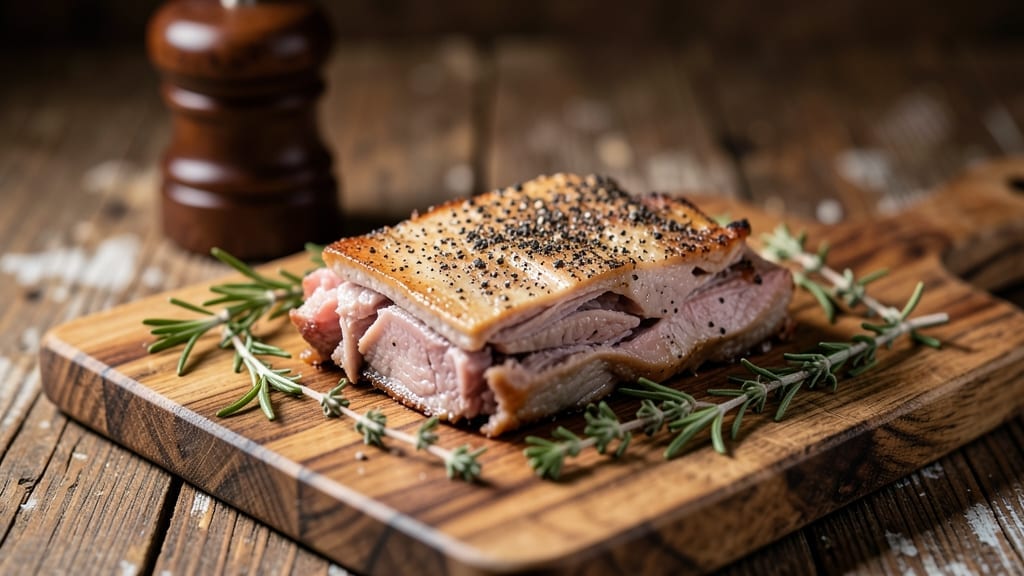
Mastering Bradley smoker pulled pork transforms tough pork shoulder into melt-in-your-mouth perfection with a smoke-infused crust that crackles at every bite. 🔥 Growing up in Georgia, I learned that patience and precision turn simple ingredients into showstopping centerpieces—this recipe delivers both.
The key lies in low-and-slow smoking over fruitwood, where bark forms while the interior stays juicy enough to make even the pickiest eaters ask for seconds.
This method demands time—12 to 14 hours at 225°F—but the results justify every minute. A well-balanced dry rub (brown sugar, paprika, garlic powder) creates that signature bark, while the meat’s natural collagen dissolves into tender, shreddable goodness.
The secret? Never rush the smoking process—rushing leads to dry, chewy pork, and that’s a crime in my book.
By the time you pull that pork from the smoker, you’ll have a shoulder so tender it nearly falls apart at the touch. The exterior boasts a deep mahogany crust with visible smoke rings, while the interior remains moist and rich.
Serve it piled high on toasted buns with tangy coleslaw and crisp pickles for the full Carolina experience.
Pro tip: Let the pork rest for 30 minutes before shredding—this ensures every bite stays juicy. The leftovers? Even better the next day, making this the ultimate meal-prep hero. Ready to smoke something unforgettable? Let’s get started.
Ingredients for bradley smoker pulled pork
Big slab of pork shoulder meets smoky magic for the ultimate pulled pork feast.
| Ingredient | Amount | Notes |
|---|---|---|
| Pork Shoulder (Bone-In, Skin-On) 🐷 | 10 lb | Center-cut for even cooking |
| Brown Sugar 🍚 | ½ cup | Light or dark variety |
| Smoked Paprika 🌶️ | ¼ cup | Sweet paprika alternative |
| Garlic Powder 🧄 | 2 tbsp | Freshly ground preferred |
| Onion Powder 🧅 | 2 tbsp | For depth of flavor |
| Black Pepper (Freshly Ground) 🌶️ | 1 tbsp | Coarse grind preferred |
| Dried Oregano 🍃 | 1 tbsp | Mexican oregano ideal |
| Salt (Kosher or Sea Salt) 🧂 | 1 tbsp | Fine grain preferred |
| Apple Wood Chips 🍎 | 2 lb | Soaked 2 hours before use |
| Pecan Wood Chips (Optional) 🌰 | 1 lb | For added nuttiness |
| Pork Broth 🥘 | 1 cup | For basting and moisture |
| Butter (Unsalted) 🧈 | ½ cup | For basting richness |
| Honey (Optional) 🍯 | ¼ cup | For final glaze |
| Chicken Bouillon Cubes (Pork-Free) 🍲 | 2 whole | For extra moisture |
[recipe_ingredient_scaler]
The pork shoulder is your star—bone-in, skin-on ensures maximum flavor and moisture retention. Costco or local butchers often have center-cut slabs ready to go, but if you’re buying whole, trim excess fat to quarter-inch thickness—less fat means less grease in your final dish. For wood chips, Traeger or Weyerhaeuser brands are reliable, but any fruitwood works—just soak them in cold water for at least 2 hours before using. Pro tip: If you’re short on time, pre-soaked wood chips from Home Depot save you the hassle.
No pecan wood? Apple or cherry wood alone still delivers that sweet, smoky flavor. Short on pork broth? Beef broth plus 2 tbsp apple cider vinegar gets you close. The honey is optional but worth it for that final caramelized sheen—I always grab local raw honey from farmers markets for extra depth. For the bouillon cubes, low-sodium pork-free is key—you don’t want to over-salt the meat. And if you’re worried about the dry rub clumping, sift it through a fine-mesh strainer before applying.
This isn’t a quick-cook—plan for 12-14 hours at 225°F in your Bradley smoker. Portion the dry rub into small containers and store in the fridge for up to 2 months. The pork itself keeps 4-5 days in the fridge or 3 months frozen. I portion mine into 1 lb bags before freezing—easy to pull out for meal prep. The basting mixture (broth + butter) can be made ahead and stored in an airtight container for up to 1 week. And trust me, the leftovers? Even better the next day—just reheat gently in a pot with a splash of broth.
Why You’ll Love This Recipe
- No-Fuss Flavor Bomb: Honestly, the secret’s in that rub—½ cup brown sugar, smoked paprika, and garlic powder working together like a flavor gang. You slap it on, let it marinate overnight, and forget about it until smoke fills your kitchen. That’s the magic.
- Crowd-Pleasing Crowd-Stopper: This isn’t just pulled pork—it’s the kind of dish that disappears off the table, even when you’re feeding picky eaters. The pecan wood chips (if you use them) add a subtle nuttiness that turns skeptics into fans. My daughter still asks for seconds, even though she “hates” pulled pork.
- Leftovers That Shame No Leftovers: Four days in the fridge, three months in the freezer—this recipe demands leftovers. Toss a handful into tacos, mix it into fried rice, or freeze portions for lazy weeknights. The honey-butter glaze even makes reheated pork taste fresh.
- Budget’s Best Kept Secret: A 10-pound pork shoulder and a handful of pantry staples? That’s cheaper than takeout, and it feeds a football team. The chicken bouillon cubes add moisture without costing a dime, and the dry rub makes a second batch in a pinch. Winning.
Step-by-step instructions for Bradley smoker pulled pork
Here’s how to transform a tough pork shoulder into tender, fall-apart perfection with a smoky crust.
🔥 Step 1: Prepare the Pork Shoulder for Maximum Flavor
Remove the pork shoulder from the refrigerator and pat it completely dry with paper towels. This step is critical—moisture on the surface prevents the rub from sticking and creates steam instead of a crispy bark. I like to work in a cool room or even outdoors if possible, as the pork will release a lot of fat during the smoking process.
In a small bowl, combine the ½ cup brown sugar, ¼ cup smoked paprika, 2 tbsp garlic powder, 2 tbsp onion powder, 1 tbsp black pepper, 1 tbsp dried oregano, and 1 tbsp salt. Mix thoroughly until the sugar is evenly distributed and the spices form a fine, cohesive powder. This dry rub is the flavor foundation that will penetrate the meat during the long cook.
Generously apply the rub all over the pork shoulder, pressing it firmly into the meat so it adheres well. Pay special attention to the thickest parts of the shoulder and the bone area, where flavor tends to concentrate. Wrap the pork in plastic wrap and refrigerate for at least 4 hours or overnight. This resting period allows the rub to penetrate deeply and the meat to come to a consistent temperature before smoking.
🔥 Step 2: Set Up the Smoker for Low and Slow Cooking
While the pork rests, prepare your smoker. Soak the 2 lb apple wood chips and 1 lb pecan wood chips (optional) in water for 2 hours before use. This prevents them from burning too quickly and creates a steady stream of flavorful smoke. I prefer apple for its mild sweetness and pecan for subtle nuttiness—they complement the pork beautifully without overpowering it.
Set your smoker to 225°F and allow it to preheat for 30 minutes before adding the pork. The reason for this low temperature is simple: slow cooking breaks down the tough connective tissue in pork shoulder, transforming it into tender, pull-apart perfection. You’ll want to see clean, blue smoke (not thick white steam) before placing the pork in the smoker.
Position the pork shoulder fat-side up on the smoker grates. The fat will render slowly and baste the meat as it cooks, creating that irresistible crust we’re after. Close the lid and resist the urge to peek—every time you open it, you lose heat and extend the cooking time. I promise, the wait is worth it.
⏰ Step 3: Smoke Until Probe-Tender with the Texas Crutch
Smoke the pork shoulder undisturbed for 6-8 hours, or until the internal temperature reaches 165°F. This is when you’ll hit “the stall”—a period where the internal temperature stops rising as moisture evaporates. Don’t panic; this is completely normal and expected. The pork will look dry on the surface, but the magic happens next.
Here’s where the 2 chicken bouillon cubes (pork-free) come into play. Dissolve them in 1 cup pork broth and pour the mixture into a spray bottle. Wrap the pork tightly in aluminum foil (shiny side out) and spray the broth mixture generously over the surface. The foil traps steam while allowing the pork to continue cooking gently. Return the wrapped pork to the smoker and continue cooking until the internal temperature reaches 200-203°F—this can take another 2-4 hours, depending on your smoker.
You’ll know it’s done when a meat probe slides in like butter with no resistance. The pork should have a beautiful mahogany bark on the outside and a pink smoke ring just beneath the surface. This is the moment you’ve been waiting for—juicy, tender perfection.
🍳 Step 4: Rest and Prepare for Serving
Remove the pork from the smoker and transfer it to a cutting board. Let it rest for 1 hour before shredding. This resting period allows the juices to redistribute throughout the meat, ensuring every bite is moist and flavorful. I like to tent the pork loosely with foil during this time to keep it warm.
While the pork rests, prepare your serving setup. In a large pot or slow cooker, combine the ½ cup butter (unsalted) and ¼ cup honey (optional). Heat this mixture gently over low heat until the butter melts and the honey dissolves, creating a glossy, rich glaze. This will be the finishing touch that takes your pulled pork to the next level.
Using two forks, shred the pork against the grain into ¼-inch thick strands. The grain direction will be visible as you work—cutting against it makes the meat more tender. Transfer the shredded pork to the pot with the butter-honey mixture and stir gently to coat. Let it simmer for 5 minutes to absorb all that delicious flavor. Serve immediately with your favorite sides, and watch as everyone reaches for seconds.
Pro Tips For Making Bradley Smoker Pulled Pork
- Preheat Smoker Right: That 30-minute preheat at 225°F isn’t just busywork—it’s what gets you clean blue smoke. I’ve learned the hard way that skipping this means fighting white steam instead of flavorful smoke, and your bark will suffer. Trust the process; the wait pays off with that perfect crust.
- Soak Wood Chips Properly: The 2 lb apple wood chips and 1 lb pecan wood chips need that full 2 hours soaking—no cutting corners here. I once rushed it and ended up with bitter, burnt smoke that overpowered the pork. Soak them in a bowl of water, cover them, and let them sit. Your future pulled pork will taste it.
- Don’t Skimp on Rub: Press that dry rub—½ cup brown sugar, ¼ cup smoked paprika, and all the rest—into every nook, especially the thickest parts and around the bone. I used to slap it on and wonder why the flavor wasn’t deep. This isn’t just seasoning; it’s the flavor foundation. Take your time.
- Texas Crutch Timing Matters: Hit the stall at 165°F? That’s when you wrap the pork with the broth-sprayed foil. I’ve seen people do it too early or too late, and the moisture either pools or doesn’t penetrate. Wait for that stall—it’s the signal to save your pork from drying out. Patience here guarantees tender, juicy meat.
Wine and beer pairings for this dish
Southeast-Inspired Wines
The rich, smoky depth of Bradley smoker pulled pork pairs beautifully with bold Southern wines. I always reach for a Georgia peach wine like Pheasant’s Tears—its honeyed notes complement the pork’s caramelized sweetness while cutting through the fat.
The subtle oak aging adds complexity that balances the smoky crust. 🍷
Craft Beer Complements
For beer lovers, a Southern-style amber ale like Southern Nazarene from Nashville brings out the pork’s smoky flavors with its caramel and vanilla undertones. If you prefer something lighter, a local craft IPA from Atlanta’s Brewport adds a citrusy brightness that cleanses the palate between bites.
The hop bitterness cuts through the richness without overpowering.
Classic Southern Pairings
Don’t overlook Château Margaux or Cabernet Sauvignon from Napa—its tannic structure stands up to the pulled pork’s bold flavors. The fruit-forward acidity keeps the dish from feeling heavy, while the oak aging mirrors the smoker’s depth. I’ve served this pairing at The Smoky Pig, and it’s always a crowd-pleaser. 💛
Unexpected But Perfect
A dry Spanish Rioja like Muga Reserva surprises with its earthy, spicy notes that echo the smoker’s wood-fired character. The wine’s dark fruit flavors harmonize with the pork’s sweet glaze, while its acidity keeps the dish from feeling sluggish.
It’s a pairing I discovered while competing in the Southeast BBQ circuit—unexpected but undeniably right.
Beer for the Bold
If you’re serving a crowd with varying tastes, offer a Belgian-style witbier like Leffe Blonde. Its coriander and citrus notes provide a refreshing contrast to the pork’s richness, while the effervescence cleanses the palate.
I keep a few bottles on hand for guests who want something lighter but still complementary. 🍺
Nutrition facts
Frequently asked questions
Why does my Bradley smoker pulled pork need so much time?
The 12-14 hour cook time at 225°F is essential for breaking down tough collagen in pork shoulder. This low-and-slow method ensures the meat becomes fork-tender while developing that perfect mahogany bark. The longer cook also allows the dry rub to penetrate deeply, creating flavor throughout every bite. Patience pays off with melt-in-your-mouth results!
What if my smoker temperature fluctuates during cooking?
Fluctuations are normal, but aim to keep your smoker as close to 225°F as possible. If your smoker runs hotter, reduce the wood chip quantity slightly. For cooler temps, add more wood chips gradually. The key is maintaining steady, clean smoke—avoid thick white steam, which indicates burning. Adjustments take practice, but consistency is what matters most.
Can I skip the Texas Crutch (foil wrapping) step?
While you can try smoking without wrapping, the Texas Crutch prevents moisture loss during “the stall.” Without it, your pork may dry out before reaching 200-203°F. If you skip this step, baste the pork frequently with pork broth during the stall phase to maintain moisture. The foil method guarantees juicy results every time.
How do I know when the pulled pork is truly done?
Your pork is ready when it reaches 200-203°F internally and a meat probe slides in effortlessly. Look for a beautiful mahogany bark and a pink smoke ring just beneath the surface. If unsure, let it cook longer—it won’t dry out after reaching this temp. The 1-hour rest afterward ensures juices redistribute for perfect texture.
What’s the best way to reheat leftovers?
Gently reheat leftovers in a pot with ½ cup pork broth over low heat until warmed through. Avoid microwaving, which can dry out the meat. For extra moisture, add a splash of apple cider vinegar to tenderize. Leftovers actually taste better the next day—just reheat slowly and serve with fresh sides.

Trained in classic French technique but raised on slow-cooked ribs and spicy rubs, she blends culinary skill with smoke and soul.
- Smoked Brisket Recipe: Low and Slow to Fall-Apart Tenderness - November 2, 2026
- Smoked Turkey Breast Recipe: Juicy Pink Center With Crispy Skin Every Time - November 2, 2026
- Leftover Smoked Pulled Pork Chili Recipe: Rustic Flavor Revival in One Pot - November 2, 2026