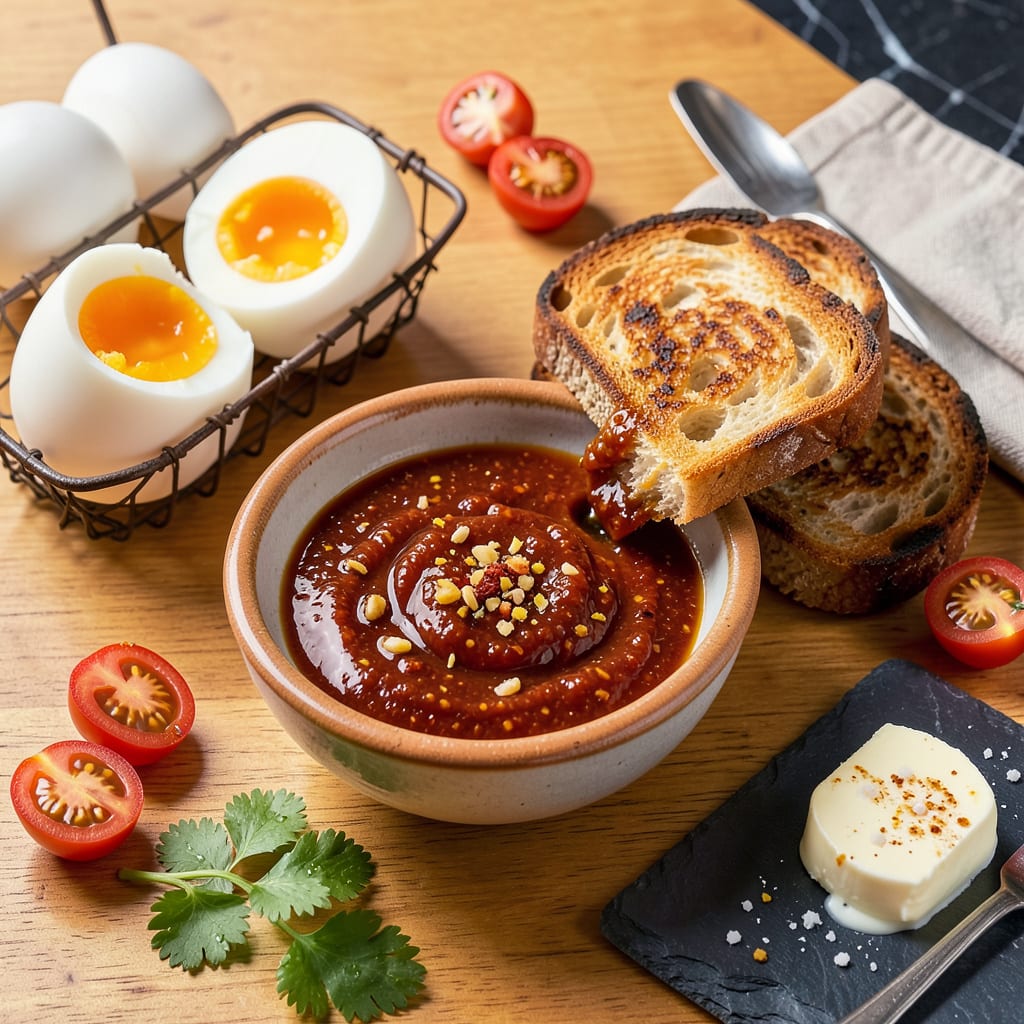
Breakfast hot sauces are milder, fruit-forward condiments designed to complement morning dishes without overpowering them. Look for options with balanced heat (1,000–3,000 Scoville) and ingredients like vinegar, citrus, or honey for eggs, pancakes, or breakfast tacos.
I love how these sauces transform a simple plate of scrambled eggs or buttery toast into something extraordinary. 🔥 The secret lies in their carefully calibrated heat—just enough to wake up your taste buds without sending you reaching for milk. I’ve found that the best versions often incorporate unexpected elements like peach purée or apple cider vinegar, creating a bright acidity that cuts through rich breakfast fats. What really sets them apart is their ability to enhance rather than mask the natural flavors of morning staples.
💡 In This Article
- Why Breakfast Hot Sauces Differ from Standard Varieties
- Top 5 Breakfast Hot Sauces and Pairing Ideas
Why Breakfast Hot Sauces Differ from Standard Varieties
The magic happens in the Scoville scale—breakfast versions typically land between 1,000-3,000 units, while standard hot sauces often start at 5,000+. This deliberate mildness isn’t about weakness; it’s about flavor harmony. The lower heat allows the natural sweetness of morning ingredients like eggs or pancakes to shine through.
🔥 What most people don’t realize is that capsaicin (the compound that creates heat) actually triggers different taste receptors at lower concentrations.
Acidity plays a crucial role too. Breakfast sauces often use fruit vinegars (like apple cider or raspberry) with pH levels around 3.0-3.5, compared to the harsher 2.5-3.0 range of traditional hot sauces. This subtle difference means they brighten dishes without overwhelming them.
The fruit bases (peach, mango, or pineapple) add natural sugars that caramelize beautifully when hit with heat from freshly cooked eggs or warm tortillas.
Here’s what’s actually happening in your mouth: The mild heat stimulates saliva production, which enhances flavor perception of the entire meal. Traditional hot sauces can numb taste buds with intense capsaicin, but breakfast versions work like a flavor amplifier.
I’ve noticed this effect is particularly powerful with fatty breakfast foods—the acidity cuts through richness while the gentle heat makes each bite more vibrant.
The ingredient list tells the story. While standard hot sauces rely heavily on chili peppers and distilled vinegar, breakfast versions incorporate:
- Fruit purées (peach, mango, or berry) for natural sweetness
- Honey or maple syrup to balance acidity
- Citrus zest for bright, fresh aromatics
- Smoked spices (like paprika) for depth without heat
This composition isn’t just about taste—it’s about digestion. The lower capsaicin content means less stomach irritation first thing in the morning, while the fruit enzymes can actually aid digestion. The science behind this involves how our bodies process different compounds at the start of the day versus later meals. ✨
What really sets breakfast hot sauces apart is their versatility across temperature ranges. They perform equally well on cold avocado toast as they do on hot scrambled eggs, unlike traditional hot sauces that can become overwhelming when heated.
The fruit bases create a stable emulsion that doesn’t separate, maintaining consistent flavor whether served chilled or warm.
The viscosity matters too—breakfast sauces tend to be slightly thicker (around 1,200-1,500 centipoise) than standard hot sauces. This texture allows them to cling beautifully to foods without making them soggy. It’s why they work so well on everything from crispy hash browns to delicate eggs Benedict.
The science here involves how the pectin in fruit purées creates that perfect syrupy consistency. 💫

Trained in classic French technique but raised on slow-cooked ribs and spicy rubs, she blends culinary skill with smoke and soul.
- Recipe for Fully Cooked Spiral Ham: Sweet Glaze and Effortless Elegance - October 3, 2026
- Recipe for Cream of Rice: Silky Smooth Breakfast Comfort - October 3, 2026
- Old Fashioned Beef and Noodles Recipe Crock Pot: Set-It-and-Forget-It Hearty Meal - October 3, 2026