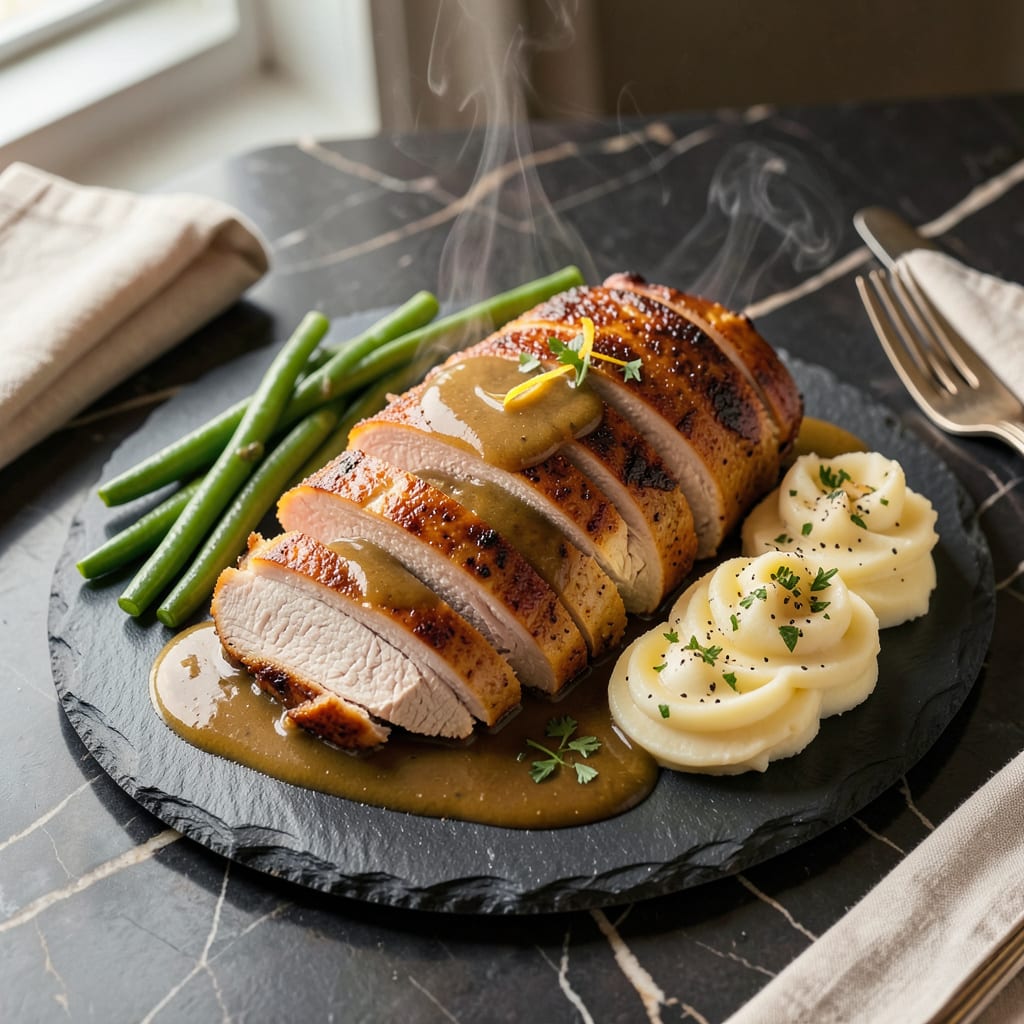
Empty the gravy packet into 1½ cups cold water, whisk until smooth, then bring to a boil while stirring. Reduce heat and simmer for 1-2 minutes until thickened. Makes about 2 cups of rich, savory gravy perfect for turkey or mashed potatoes.
I’ve found that Butterball’s gravy packets deliver foolproof results because they’re pre-balanced with just the right starch-to-seasoning ratio. The cold water start is crucial—it prevents clumping by giving the starch granules time to separate before heat activates them. 🔥 Once boiling, the mixture transforms through gelatinization, where starch molecules absorb liquid and swell, creating that velvety texture we all crave. What’s brilliant is how this process forgives minor timing mistakes; even if you simmer a few seconds too long, the gravy maintains its smooth consistency rather than breaking.
💡 In This Article
- How Butterball Gravy Packets Create Perfect Consistency
- Pro Tips for Enhancing Butterball Turkey Gravy Flavor
How Butterball Gravy Packets Create Perfect Consistency
The magic starts with modified cornstarch—the primary thickener in Butterball’s gravy packets. When you whisk it into 1½ cups cold water, the starch granules remain separate and suspended. This is critical because hot water would cause immediate swelling and clumping before you even begin cooking.
The cold liquid gives you a smooth base where each granule can hydrate evenly once heat is applied. 🔥
As the mixture reaches 212°F (boiling point), the starch undergoes gelatinization—a process where the granules absorb water and swell to 10 times their original size. This creates a three-dimensional network that traps liquid, transforming your thin mixture into a luscious, spoon-coating gravy.
The packet’s pre-measured ratio of starch to seasonings ensures you get exactly 2 cups of medium-bodied gravy without measuring errors. Undercooking leaves starch granules unburst (resulting in thin, starchy-tasting gravy), while overcooking can break the gel structure and cause thinning.
What most home cooks don’t realize is that Butterball’s formula includes a small amount of fat (usually turkey or chicken fat powder) that melts during heating. This fat coats the starch granules, preventing them from sticking together and creating lumps.
The emulsifiers in the packet help this fat distribute evenly, giving the gravy its characteristic silky mouthfeel without separation. This is why you’ll notice the gravy has a slight sheen and richer flavor than homemade versions made with just flour and water. ✨
The simmering stage (1-2 minutes) is where flavor development happens. The Maillard reaction occurs between the proteins in the turkey fat and the sugars in the starch, creating deeper, meatier flavors. This is also when the sodium content (about 500-600mg per serving) fully dissolves and distributes evenly.
The packet’s seasoning blend typically includes onion powder, garlic, and black pepper that bloom during this brief cooking time, releasing their essential oils into the liquid.
Temperature control is everything. Boiling initiates the thickening, but maintaining a gentle simmer prevents two common problems: scorching (which creates bitter flavors) and over-reduction (which makes gravy gluey). The ideal finished temperature is 180-190°F—hot enough to be fully thickened but not so hot that it continues cooking after you remove it from heat.
This is why the instructions specify removing from heat once it reaches your desired consistency. 💫
For comparison, this process mimics what professional chefs do with a classic roux, but with foolproof measurements. A traditional roux requires cooking flour and fat together to eliminate the raw flour taste before adding liquid.
Butterball’s packet eliminates this step by using pre-gelatinized starch that doesn’t need pre-cooking, saving you 10-15 minutes of stirring while delivering comparable results. The tradeoff is slightly less depth of flavor, which is why I always recommend enhancing with pan drippings. ⚡

Trained in classic French technique but raised on slow-cooked ribs and spicy rubs, she blends culinary skill with smoke and soul.
- Recipe for Boneless Pork Chops in Cast Iron Skillet: Sear and Baste to Juicy Perfection - October 3, 2026
- Recipe for Boneless Cross Rib Roast: Slow-Roasted Beef with Herb Crust - October 3, 2026
- Hamburgers in Sauce Recipe Crock Pot: Slow-Cooked Savory Delight - October 3, 2026