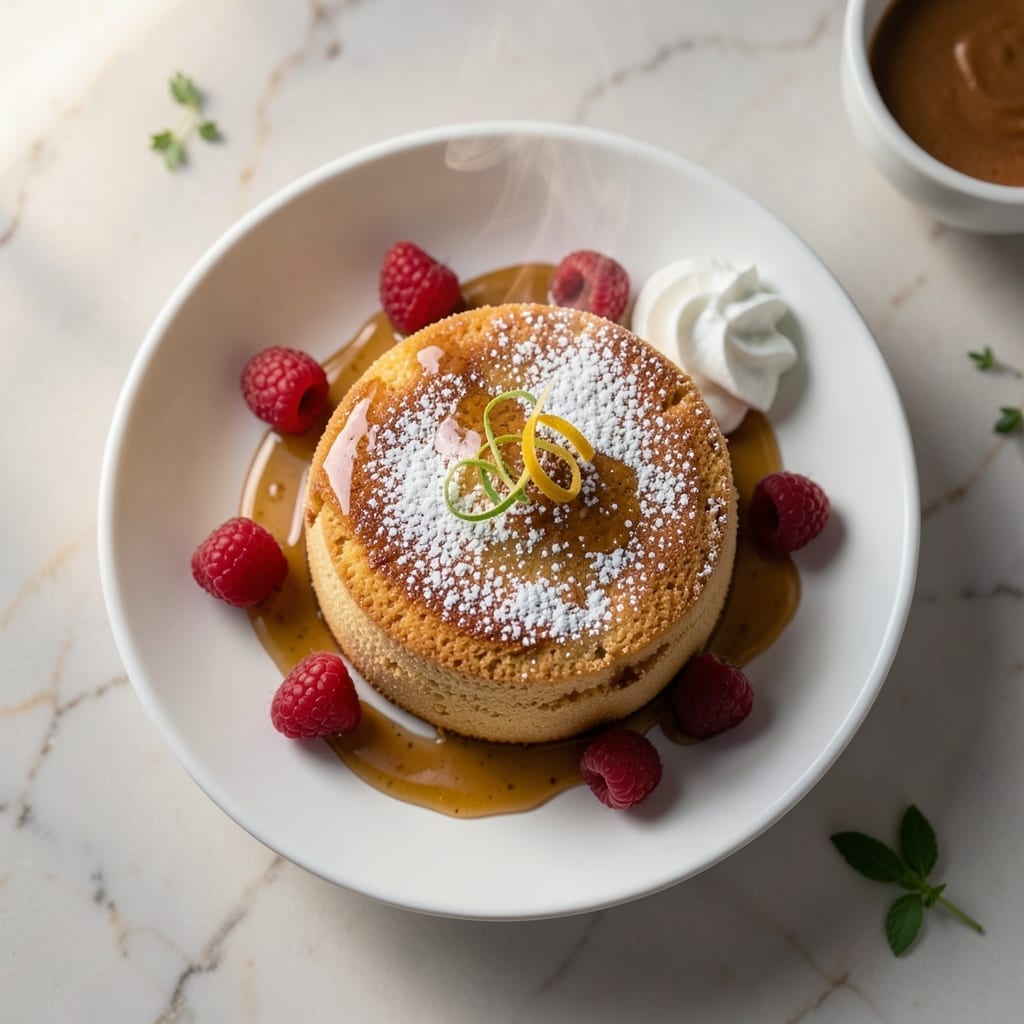
Achieving the perfect sponge cake begins with mastering a few fundamental techniques. This recipe delivers light and airy layers with a texture like a cloud.
By folding in whipped egg whites and using precise measurements, you create a delicate crumb that melts in your mouth. The result is a classic sponge that stands tall and proud.
Ingredients for Cake Recipe Sponge Cake
Ten ingredients for cloud-like layers. Room temperature matters most here.
| Ingredient | Amount | Notes |
|---|---|---|
| Cake Flour 🌾 | 1 ½ cups | Sifted for aeration |
| Granulated Sugar 🍚 | 1 ½ cups | Divided for yolks and whites |
| Large Eggs 🥚 | 6 whole | Room temperature, separated |
| Unsalted Butter 🧈 | ½ cup | Melted and cooled |
| Vanilla Extract 🌿 | 2 tsp | Pure extract preferred |
| Baking Powder 🧂 | 1 ½ tsp | Fresh for best rise |
| Salt 🧂 | ¼ tsp | Fine sea salt |
| Whole Milk 🥛 | ½ cup | Room temperature |
| Cream of Tartar 🧂 | ½ tsp | Stabilizes egg whites |
| Lemon Zest 🍋 | 1 tsp | Optional for brightness |
[recipe_ingredient_scaler]
The eggs are everything—room temperature separates best and whips up fluffier. I always use large eggs from the store (not jumbo, not extra-large) for consistency. Cake flour is non-negotiable for that delicate crumb; Swans Down or Softasilk are my go-to brands. If your baking powder is older than 6 months, toss it and grab fresh. The butter should be melted but not hot—cool it for 5 minutes before using.
No cake flour? All-purpose minus 2 tbsp per cup, plus 2 tbsp cornstarch gets close. Whole milk can be swapped for buttermilk or plant milk (add 1/2 tsp vinegar to plant milk first). Cream of tartar stabilizes the whites, but 1/4 tsp white vinegar per egg white works in a pinch. Skip the lemon zest if you don’t have it—vanilla carries the flavor just fine.
Batter goes in the fridge for 15 minutes if you need to pause. Baked layers keep 2 days wrapped at room temp, or freeze for 3 months. Always cool completely before frosting (don’t skip this part).
Why You’ll Love This Recipe
- I’ll be real: it tastes just as good the next day, which means less waste and more treats.
- One Bowl Wonder: I just dump everything in a single bowl, mix, and pour—no fancy equipment or endless steps.
- Buttery Vanilla Magic: The unsalted butter and vanilla extract give it that rich, melt-in-your-mouth flavor I crave.
- Weekend or Weeknight: Honestly, it’s fancy enough for a birthday but simple enough for a lazy Sunday.
Step-by-Step Instructions for Cake Recipe Sponge Cake
Here’s the method I’ve perfected for that ethereal texture you’re after.
Step 1: Separate Eggs and Prep Dry Ingredients
Start by separating the 6 whole Large Eggs into two large bowls—yolks in one, whites in the other. I like to do this first so the whites can come to room temperature while I prep everything else. Cold egg whites won’t whip up to their full potential, and that’s non-negotiable for this recipe.
In a medium bowl, whisk together the 1.5 cups Cake Flour, 1.5 tsp Baking Powder, and 0.25 tsp Salt. Sifting isn’t just for show—it aerates the flour, which contributes to that light, airy crumb. Set this aside; you’ll need it after handling the eggs.
Step 2: Whip Egg Yolks with Sugar and Fat
In a stand mixer fitted with the whisk attachment, beat the egg yolks with 1 cup of the 1.5 cups Granulated Sugar on high speed for 4-5 minutes until pale, thick, and ribbon-like. This step is crucial—you’re incorporating air that will give your sponge structure.
With the mixer running on low speed, slowly drizzle in the 0.5 cup Unsalted Butter (melted and cooled) and 2 tsp Vanilla Extract. Once incorporated, add the 0.5 cup Whole Milk and 1 tsp Lemon Zest. The mixture should look smooth and slightly emulsified. Stop mixing as soon as everything is combined to avoid overworking the yolks.
Step 3: Whip Egg Whites to Stiff Peaks
Thoroughly clean the whisk attachment and bowl—any trace of fat will prevent the egg whites from whipping properly. Add the 0.5 tsp Cream of Tartar to the egg whites (this stabilizes them) and whip on medium-high speed until foamy.
Gradually add the remaining 0.5 cup Granulated Sugar and continue whipping until the meringue holds stiff peaks. When you lift the whisk, the peaks should stand straight up without drooping. This usually takes 6-8 minutes, but watch the texture, not the clock. Under-whipped whites will deflate your sponge.
Step 4: Fold Everything Together Gently
Pour the yolk mixture into the center of the whipped egg whites. Sprinkle about a third of the dry ingredients over the top. Using a wide spatula, fold gently from the bottom up, rotating the bowl as you go. The goal is to deflate as little air as possible while fully incorporating the ingredients.
Add the remaining dry ingredients in two additions, folding just until no streaks remain. It’s okay if a few small lumps are visible—they’ll dissolve during baking. Overmixing here is the fastest way to turn your light sponge into a dense brick. Pour the batter into an ungreased 9-inch round pan—the sponge needs to climb the sides to achieve its height.
Step 5: Bake and Cool Properly
Bake at 350°F for 25-30 minutes until the top is golden brown and springs back when lightly pressed. Don’t open the oven door until at least 20 minutes in—cold air can cause the sponge to collapse. A toothpick inserted in the center should come out clean.
Immediately invert the pan onto a wire rack to cool completely. This prevents the sponge from compressing under its own weight as it cools. Once fully cooled, run a thin knife around the edges to release it from the pan. Slice with a serrated knife for clean layers. The texture should be tender, with a fine crumb that practically melts in your mouth.
Pro Tips For Making Cake Recipe Sponge Cake
- Room Temp Eggs: Pull your eggs out 30 minutes before starting—cold eggs won’t whip up to the right volume, and I learned this the hard way after my first few flat sponges.
- Fold Gently: When combining the dry ingredients, use a spatula and fold just until the flour disappears—overmixing deflates the air you worked so hard to beat into the eggs.
- Skip Cold Butter: Butter should be soft but not melted, about 65°F. I was skeptical until I tried it, but melted butter makes the cake dense instead of light.
- Preheat Properly: Give your oven a full 20 minutes to reach temperature, and double-check with an oven thermometer—sponge cakes are unforgiving with uneven heat.
Make-Ahead Tips for This cake recipe sponge cake
Batter Prep Ahead
You can mix the dry ingredients and separate the eggs up to 24 hours in advance. Store the flour mixture in an airtight container and cover the egg whites and yolks separately in the fridge. Bring everything to room temperature before proceeding—this takes about 30 minutes. 💡
Baked Layers Storage
Once completely cooled, wrap the cake layers tightly in plastic wrap and store at room temperature for up to 2 days. Keep them in a cool, dry place away from direct sunlight. This preserves the delicate texture without drying out.
Freezing for Later
For longer storage, wrap each layer in plastic wrap and then in heavy-duty aluminum foil. Freeze for up to 3 months. Thaw overnight in the fridge, still wrapped, to prevent condensation from forming on the cake. ❄️
Reheating Tips
If your layers feel slightly dry after storage, brush them with a simple syrup made from equal parts sugar and water. This adds moisture back without altering the flavor. Warm the syrup slightly before brushing for better absorption.
Frosting Advance
Prepare your frosting up to 3 days ahead and store it in an airtight container in the fridge. Buttercream can be left at room temperature for 1 day. Bring to room temperature and re-whip briefly before using.
Honestly, I often make frosting the night before—it saves time and the flavors meld beautifully. ✨
Nutrition Facts
Frequently Asked Questions
Why use room temperature eggs?
Room temperature eggs whip up to greater volume, creating more air for a lighter texture. Cold eggs won’t incorporate air as well, leading to a denser cake. Always take them out of the fridge 30 minutes before starting.
Can I substitute all-purpose flour?
Yes, but replace 2 tablespoons per 1 cup with cornstarch for a closer texture. Cake flour is finer and lower in protein, which keeps the crumb tender. This swap works in a pinch.
What if my cake deflates after baking?
This usually happens if the egg whites weren’t whipped to stiff peaks or the oven door was opened too soon. Ensure peaks hold their shape, and avoid opening the oven for at least 20 minutes.

Trained in classic French technique but raised on slow-cooked ribs and spicy rubs, she blends culinary skill with smoke and soul.
- Recipe for Boneless Pork Chops in Cast Iron Skillet: Sear and Baste to Juicy Perfection - October 3, 2026
- Recipe for Boneless Cross Rib Roast: Slow-Roasted Beef with Herb Crust - October 3, 2026
- Hamburgers in Sauce Recipe Crock Pot: Slow-Cooked Savory Delight - October 3, 2026