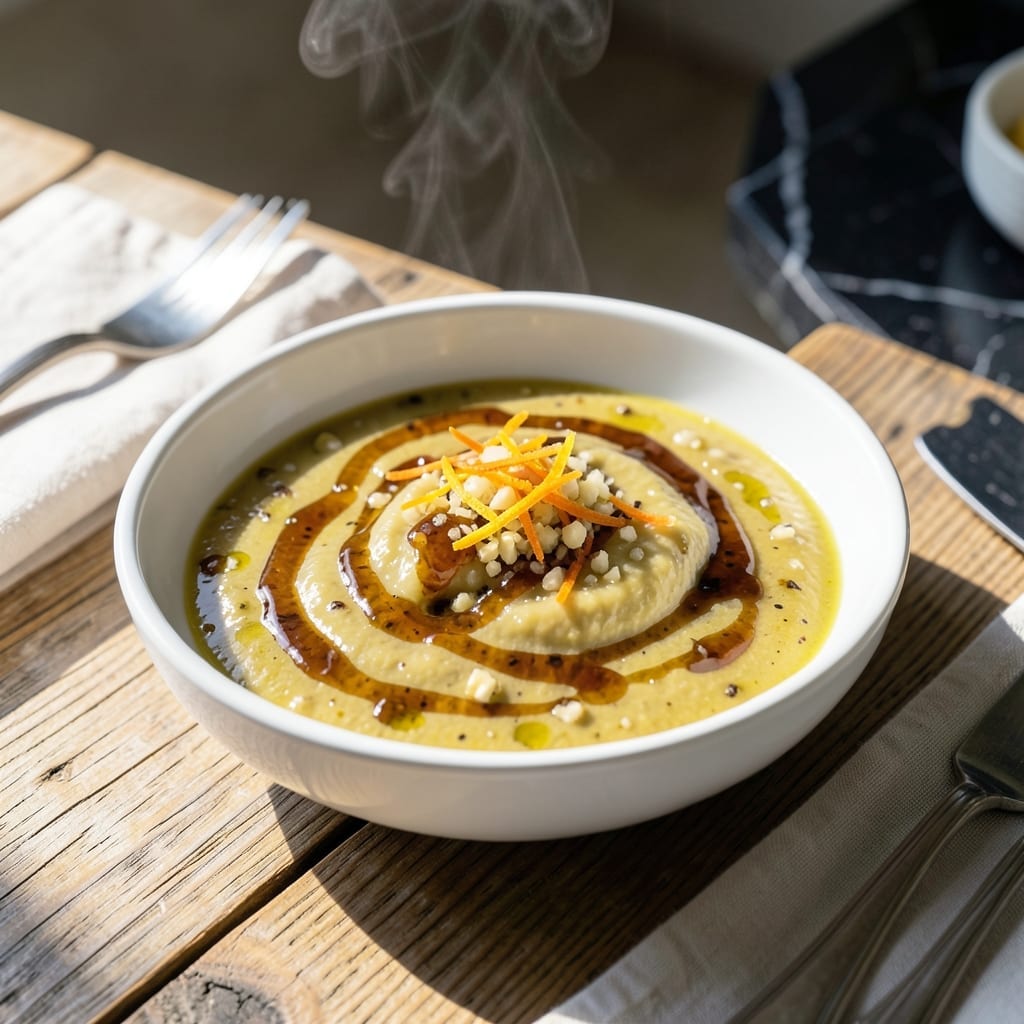
This sauce captures the essence of coastal California grilling with its bright, balanced flavors. I developed it to complement any fish without overpowering its natural taste.
With simple ingredients and 10 minutes of prep, you’ll have a versatile blend that elevates grilled seafood to restaurant-quality. The secret lies in the harmony of citrus, herbs, and a touch of sweetness.
Ingredients for California Fish Grill Sauce
Bright citrus and fresh herbs blend into a sauce that lets seafood shine.
| Ingredient | Amount | Notes |
|---|---|---|
| Extra-Virgin Olive Oil 🫒 | ¾ cup | High quality, fruity notes |
| Fresh Lemon Juice 🍋 | ¼ cup | About 2-3 large lemons |
| Fresh Orange Juice 🍊 | 2 tbsp | Navel or Valencia preferred |
| Honey 🍯 | 2 tbsp | Local or raw for depth |
| Dijon Mustard 🟡 | 1 tbsp | Smooth, not whole grain |
| Fresh Garlic Cloves 🧄 | 3 cloves | Finely minced for even flavor |
| Fresh Dill 🌿 | 3 tbsp | Chopped, stems removed |
| Fresh Parsley 🌿 | 2 tbsp | Flat-leaf variety preferred |
| Shallot 🧅 | 1 whole | Finely diced for subtle bite |
| Sea Salt 🧂 | ½ tsp | Flaky variety for texture |
| Black Pepper 🌶️ | ¼ tsp | Freshly cracked for brightness |
[recipe_ingredient_scaler]
The citrus is key here. Meyer lemons if you can find them—they’re sweeter and less acidic than regular lemons. I grab mine at Whole Foods or Trader Joe’s when they’re in season. The olive oil should be good enough to sip on its own—California Olive Ranch is a solid, affordable option. For the honey, local farmers market stuff adds a depth that store-bought can’t match (trust me on this).
No fresh herbs? Dried dill or parsley at one-third the amount works, but fresh is really better for that bright pop. Out of shallots? Red onion is your next best bet—just use half as much. If you’re avoiding honey, agave or maple syrup sub in 1:1. The Dijon mustard is non-negotiable though—it’s the backbone of the whole thing.
This keeps in the fridge for about 1 week in a sealed jar. The flavors meld and deepen after a day, so make it ahead if you can. Don’t freeze it—the herbs and citrus will separate and get weird. Just give it a good stir before using.
Why You’ll Love This Recipe
- 5-Minute Mix: I just whisk the olive oil, citrus juices, honey, and mustard together—no cooking, no fuss.
- Bright & Zesty: That combo of fresh lemon and orange juice with honey gives a sweet-tangy kick that makes grilled fish sing.
- Marinade or Drizzle: I use it as a marinade for salmon or drizzle it over grilled swordfish, even toss it with veggies.
- Pantry Staples: Olive oil, honey, mustard—things I always have, so I can make this sauce anytime without a special grocery run.
Step-by-Step Instructions for California Fish Grill Sauce
This simple blending method brings coastal brightness to any seafood dish.
Step 1: Mince Aromatics for Even Flavor Distribution
Finely mince the 3 cloves fresh garlic cloves and 1 whole shallot until both reach a near-paste consistency. I find that rocking my knife through these with a slight forward motion gives the most uniform pieces. The smaller the dice, the more evenly the flavor will incorporate into the sauce.
This step matters because large garlic or shallot pieces create uneven flavor bursts in the finished sauce. You want every bite of your grilled fish to carry that subtle, balanced allium note. Set these aside in a small bowl while you prep the remaining ingredients.
Step 2: Chop Fresh Herbs and Measure Wet Components
Remove stems from the 3 tbsp fresh dill and 2 tbsp fresh parsley, then finely chop the leaves. Flat-leaf parsley is less bitter than curly, which is why I always specify it. The dill should be chopped just before using to preserve its delicate aroma.
Measure out the 0.75 cup extra-virgin olive oil, 0.25 cup fresh lemon juice, 2 tbsp fresh orange juice, 2 tbsp honey, and 1 tbsp Dijon mustard. Using high-quality olive oil here makes a noticeable difference—its fruity notes complement the citrus beautifully.
Step 3: Whisk All Ingredients into Emulsion
In a medium bowl, combine the minced garlic and shallot with the sea salt and black pepper. Add the Dijon mustard and honey, then whisk these together until smooth. This creates a stable base that helps emulsify the oil and citrus.
Slowly drizzle in the extra-virgin olive oil while whisking constantly. The mixture will begin to thicken slightly as the oil incorporates. Then add the fresh lemon juice and fresh orange juice, whisking until fully combined. The sauce should have a creamy, slightly opaque appearance.
Step 4: Fold in Fresh Herbs and Rest
Gently fold in the chopped fresh dill and fresh parsley with a silicone spatula. Stir just until the herbs are evenly distributed throughout the sauce—overmixing can bruise the herbs and turn them bitter.
Let the sauce rest for 10-15 minutes at room temperature. This allows the flavors to meld together and the herbs to infuse their oils into the mixture. You’ll notice the color deepen slightly as it sits, which is normal. The sauce is ready to use immediately or can be stored in the refrigerator for up to 3 days.
Pro Tips For Making California Fish Grill Sauce
- Whisk Vigorously: I learned this the hard way—honey and mustard need a good 30 seconds of hard whisking to fully blend with the oils and citrus. A lazy stir leaves you with a separated, sad sauce.
- Zest Before Juicing: After wasting half my lemons, I finally started zesting them first for the sauce. The oils in the peel add a bright, complex flavor that juice alone can’t deliver.
- Skip Bottled Juice: Sounds obvious, but fresh lemon and orange juice actually change the outcome—bottled tastes flat and metallic. Squeeze it yourself, even if it’s just a small batch.
- Warm the Honey: Microwave the honey for 10-15 seconds before mixing. It thins out and incorporates smoothly instead of clumping at the bottom like it did in my first five attempts.
Essential Equipment for Perfect Results
Mixing Bowls
I always reach for my 2-quart stainless steel mixing bowl from Cuisinox—its weight and sloped sides make whisking effortless. A good bowl gives you the control needed to properly emulsify the extra-virgin olive oil with the citrus. Avoid plastic; it can absorb odors and doesn’t feel as stable.
Whisks
For this sauce, a balloon whisk with a comfortable handle is essential. My OXO Good Grips 11-inch whisk has the perfect balance of reach and control. The fine wires help create that smooth, creamy emulsion without overworking the herbs.
Knives
A sharp 8-inch chef’s knife is non-negotiable for mincing the fresh garlic and shallot. I’ve had my Wüsthof Classic for over a decade—it still slices through herbs and aromatics like butter. Keep it honed for safety and precision.
Measuring Tools
Accurate measurements matter, so I use stainless steel measuring cups and spoons. For the 0.25 cup fresh lemon juice, a liquid measuring cup with clear markings ensures you get the right amount. Meyer lemons vary in juiciness, so measuring is key.
Storage Containers
Once made, transfer the sauce to an airtight glass jar. I love Le Parfait Super jars—they’re elegant and seal tightly. The glass won’t absorb flavors, and you can see the vibrant color of your creation. Store in the fridge for up to 3 days. 💛
Cutting Boards
Use a large wooden cutting board for prep work. Mine is maple—it’s gentle on knives and provides plenty of space for chopping herbs and mincing aromatics. A damp towel underneath keeps it from sliding while you work.
Nutrition Facts
Frequently Asked Questions
Can I use lime juice instead of lemon?
Yes, lime juice works well and adds a slightly different citrus note. Use the same 0.25 cup amount, but taste first as limes can be more tart. The flavor profile will be brighter and more tropical.
How long does this sauce keep?
Store it in an airtight container in the fridge for up to 3 days. The herbs will start to lose their vibrancy after that. Always give it a good stir before using.
What if my sauce separates?
Simply whisk it vigorously again before using. Separation is natural with emulsified sauces. If it happens often, try adding the oil more slowly while whisking.
Can I make this ahead for a party?
The flavors actually improve after 24 hours as they meld together. Just prepare it the day before and store properly.

Trained in classic French technique but raised on slow-cooked ribs and spicy rubs, she blends culinary skill with smoke and soul.
- Recipe for Boneless Pork Chops in Cast Iron Skillet: Sear and Baste to Juicy Perfection - October 3, 2026
- Recipe for Boneless Cross Rib Roast: Slow-Roasted Beef with Herb Crust - October 3, 2026
- Hamburgers in Sauce Recipe Crock Pot: Slow-Cooked Savory Delight - October 3, 2026