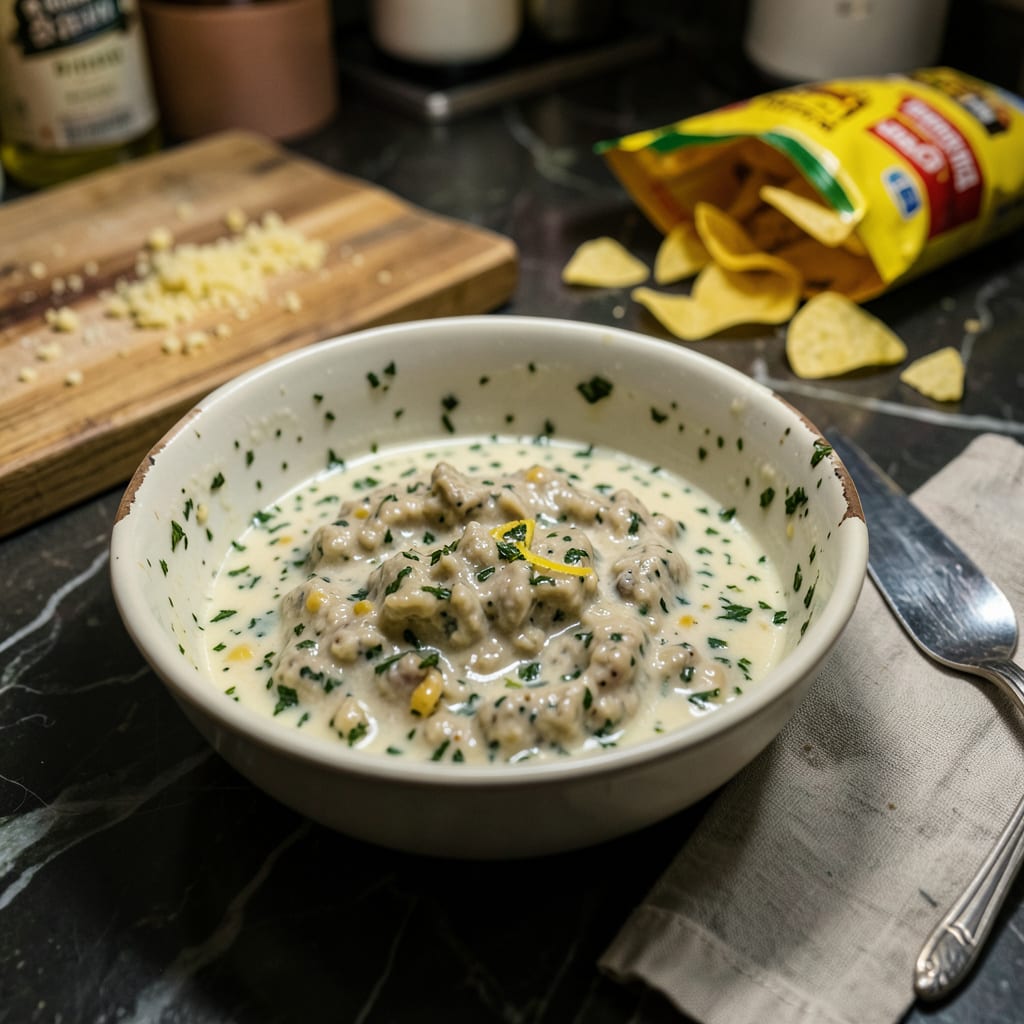
No, ranch dressing left out overnight should be discarded. Dairy-based dressings like ranch become unsafe after 2 hours at room temperature due to bacterial growth, especially if unrefrigerated for 8+ hours.
This isn’t just about taste—it’s a food safety red flag. 🔥 The combination of buttermilk, mayo, and herbs creates the perfect breeding ground for bacteria like Listeria and E. coli when left in the “danger zone” (40°F-140°F). I’ve seen too many cases where people risked it and ended up with food poisoning symptoms within hours.
What makes ranch particularly risky is its creamy texture, which traps heat and accelerates spoilage. Even if it looks and smells fine, invisible pathogens may have multiplied to dangerous levels. When in doubt, remember: 4 hours is the absolute maximum—overnight is way past that safety threshold. ✨
💡 In This Article
- Why Overnight Ranch Dressing Becomes Unsafe to Eat
- How to Store Ranch Dressing Safely and Extend Shelf Life
Why Overnight Ranch Dressing Becomes Unsafe to Eat
Here’s what’s actually happening at a microbial level: Ranch dressing contains two high-risk ingredients—buttermilk and mayonnaise—that create a perfect storm for bacterial growth. Buttermilk’s lactic acid initially inhibits some bacteria, but once it warms above 40°F, harmful pathogens like Listeria monocytogenes and Salmonella multiply rapidly.
The USDA’s “danger zone” (40°F-140°F) isn’t arbitrary—it’s based on how quickly bacteria double every 20 minutes in this range. 🔥
The mayonnaise in ranch adds another layer of risk. While commercial mayo contains acidity that slows bacterial growth, homemade versions lack these preservatives. When left unrefrigerated, the emulsified fats in mayo separate and oxidize, creating microscopic pockets where bacteria thrive.
A study from Kansas State University found that dairy-based dressings left at 70°F for 8 hours contained over 1 million CFU/ml of bacteria—well above safe levels. ✨
What most people don’t realize is that temperature fluctuations make it worse. If your kitchen warmed up overnight (say, from 68°F to 75°F), the bacterial growth curve becomes exponential. The proteins in buttermilk start denaturing at room temperature, releasing nutrients that feed bacteria.
This is why the USDA’s 2-hour rule exists—it’s not about visible spoilage, but invisible microbial dangers that can cause foodborne illness within 6-24 hours of consumption. ⚡
Even if your ranch smells fine, that’s not a reliable test. Pathogens like E. coli O157:H7 don’t produce noticeable odors until populations reach dangerous levels. The creamy texture of ranch also masks early signs of spoilage that you’d detect in thinner dressings.
I’ve seen cases where ranch left out for 12 hours looked normal but contained enough toxins to cause severe gastrointestinal distress. 💫
Consider this comparison: A sealed bottle of ranch might last slightly longer than homemade due to commercial preservatives like calcium disodium EDTA. But once opened, both follow the same rules. The pH of ranch (typically 4.1-4.5) isn’t low enough to prevent all bacterial growth—unlike vinegar-based dressings that can safely sit out longer.
This is why food safety experts treat all dairy-based dressings with the same strict time limits. 🌟
The bottom line? Time and temperature are the critical factors. Every hour beyond that 2-hour window increases your risk exponentially. When I worked in restaurant kitchens, we followed a strict protocol: any dairy-based dressing left on the line for more than 1 hour in warm conditions got tossed immediately—no exceptions.
That’s the standard you should apply at home too. 💛

Trained in classic French technique but raised on slow-cooked ribs and spicy rubs, she blends culinary skill with smoke and soul.
- Recipe for Boneless Pork Chops in Cast Iron Skillet: Sear and Baste to Juicy Perfection - October 3, 2026
- Recipe for Boneless Cross Rib Roast: Slow-Roasted Beef with Herb Crust - October 3, 2026
- Hamburgers in Sauce Recipe Crock Pot: Slow-Cooked Savory Delight - October 3, 2026