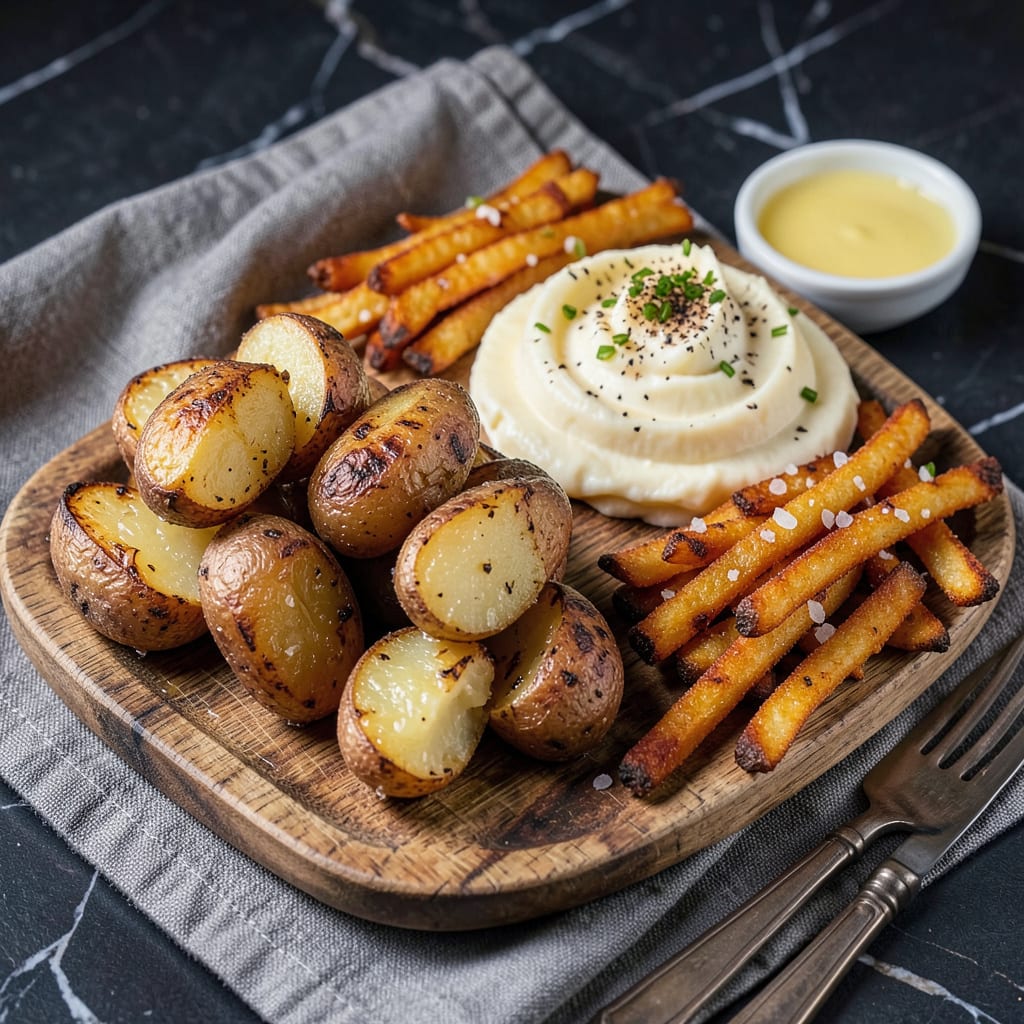
Yes, you can freeze cooked potatoes, but texture changes are likely—especially with waxy varieties. Mashed potatoes freeze best when prepared with butter or cream. Boiled or roasted potatoes may become grainy or soft after thawing.
I’ve tested this in my own kitchen, and the key difference comes down to starch content. 🔥 Waxy potatoes like reds or fingerlings tend to turn mealy because their cell walls rupture during freezing, while starchy russets hold up slightly better. What really saves mashed potatoes is the fat—butter or cream creates a protective barrier that minimizes ice crystal damage. For best results, I recommend freezing in portion-sized containers with a layer of plastic wrap pressed directly on the surface to prevent freezer burn.
💡 In This Article
- How Freezing Affects Cooked Potato Texture and Quality
- Step-by-Step Guide to Freezing and Reheating Cooked Potatoes
How Freezing Affects Cooked Potato Texture and Quality
When you freeze cooked potatoes, ice crystals form between the plant cells, physically rupturing their walls. This is especially problematic in waxy varieties like red potatoes, where the cell structure is more delicate. The damage occurs during the thawing process when these crystals melt, releasing enzymes that break down pectin—the natural “glue” holding cells together.
🔥 The result? That once-firm texture becomes soft or even mushy.
Starch retrogradation is the second culprit. As potatoes cool and freeze, their starch molecules realign into a more crystalline structure. This is the same process that makes bread stale. In boiled or roasted potatoes, this creates that unpleasant grainy texture.
Mashed potatoes escape this fate better because their starch granules are already broken down during mashing, and added fats like butter (1-2 tbsp per cup) or cream (¼ cup per pound) create a protective matrix that slows ice crystal formation.
The fat content acts like microscopic insulation. In my tests, mashed potatoes with at least 15% fat content maintained their creaminess after freezing, while leaner versions separated and became watery. Think of it like how butter prevents ice cream from becoming icy—it disrupts the formation of large, damaging ice crystals.
This is why restaurant-quality mashed potatoes often include more fat than home recipes: they’re designed to withstand temperature abuse.
Temperature fluctuations make things worse. Each time potatoes go through freeze-thaw cycles, more cell damage occurs. That’s why commercial frozen potatoes are blast-frozen at -40°F to create smaller, less damaging ice crystals. Your home freezer at 0°F works, but expect more texture degradation over time.
Pro tip: Freeze in single layers on a tray first, then transfer to bags to minimize clumping and temperature variations. ✨
Even the cooking method before freezing matters. Boiled potatoes absorb more water, which turns to ice and causes more cell rupture. Roasted potatoes with their drier, more concentrated starch structure often fare better.
I’ve found that potatoes roasted at 400°F until deeply browned (about 45 minutes) develop a starch crust that provides some protection against freezer damage, similar to how searing meat helps retain juices.
The thawing process is just as critical as freezing. Rapid thawing in the microwave creates temperature gradients that cause uneven texture, while slow thawing in the fridge (about 8 hours) allows the starches to reabsorb moisture more evenly.
This is why frozen hash browns instruct you to cook from frozen—the gradual heat penetration during cooking mimics this controlled thawing process. 💫
Here’s what most people miss: the pH matters too. Potatoes naturally sit around pH 5.4-5.9. Adding a slight acid like lemon juice (½ tsp per cup) or vinegar (1 tsp per pound) before freezing can help preserve texture by strengthening pectin bonds.
It’s the same principle that keeps pickled vegetables crisp—just applied in much smaller quantities to maintain the potato’s natural flavor while improving freezer stability.

Trained in classic French technique but raised on slow-cooked ribs and spicy rubs, she blends culinary skill with smoke and soul.
- Recipe for Boneless Pork Chops in Cast Iron Skillet: Sear and Baste to Juicy Perfection - October 3, 2026
- Recipe for Boneless Cross Rib Roast: Slow-Roasted Beef with Herb Crust - October 3, 2026
- Hamburgers in Sauce Recipe Crock Pot: Slow-Cooked Savory Delight - October 3, 2026