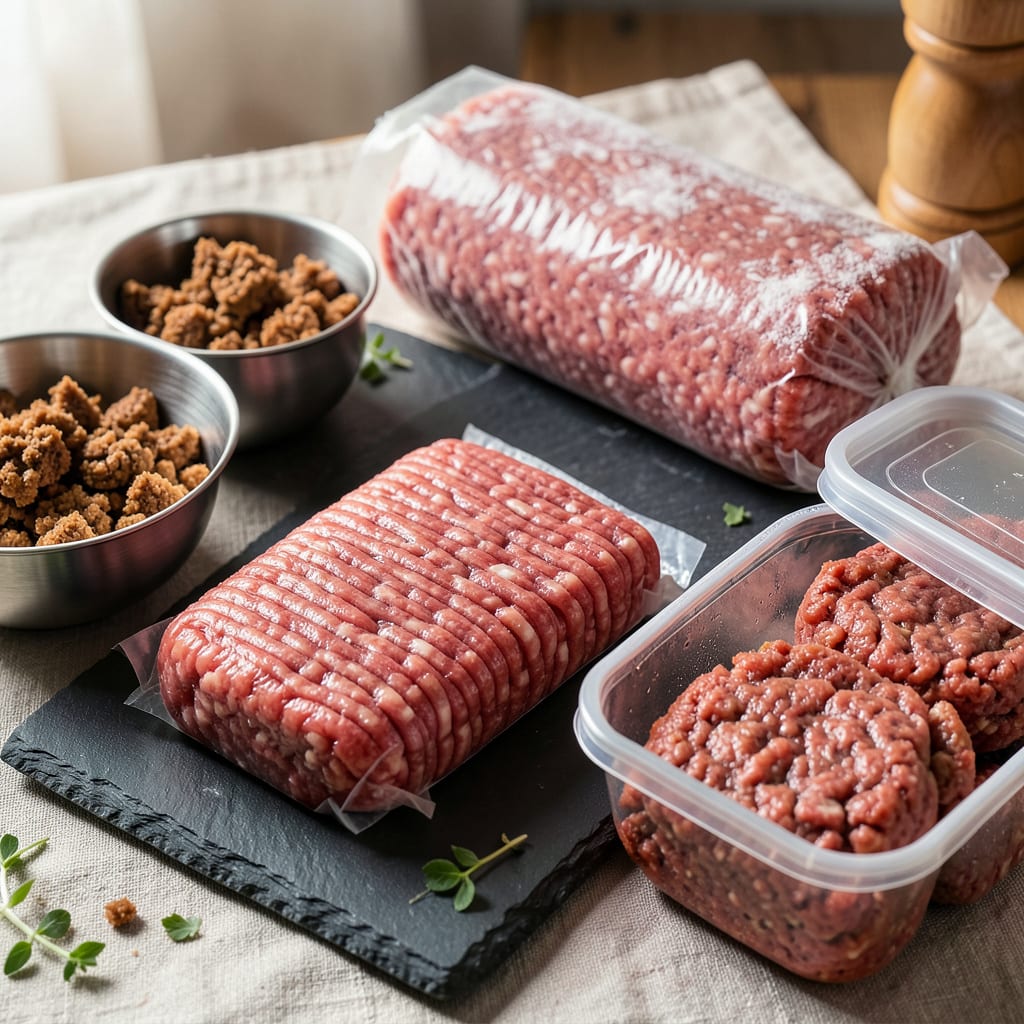
Yes, you can safely freeze ground beef for up to 4 months at 0°F (-18°C) or lower. Freeze it in airtight packaging or sealed containers to prevent freezer burn and maintain quality. Thaw in the refrigerator before cooking.
Freezing ground beef isn’t just about extending shelf life—it’s about locking in freshness and flavor. 🔥 I’ve found that proper freezing techniques make all the difference between a meal that tastes freshly ground and one that’s dry or off-flavored. The key lies in how you package it: removing as much air as possible prevents those unappetizing ice crystals from forming. What many don’t realize is that ground beef’s higher surface area makes it more vulnerable to freezer burn than whole cuts, which is why I always recommend double-wrapping or using vacuum-sealed bags for best results.
💡 In This Article
- How Freezing Affects Ground Beef Quality and Safety
- Step-by-Step Guide to Freezing Ground Beef Properly
How Freezing Affects Ground Beef Quality and Safety
When you freeze ground beef, you’re essentially hitting the pause button on biological activity. The cold temperatures (0°F/-18°C or lower) stop bacterial growth by slowing molecular movement to a near standstill. This is why properly frozen ground beef remains safe indefinitely—though quality starts declining after 4 months.
The magic happens at the cellular level: ice crystals form between muscle fibers rather than inside cells, which is why slow freezing in your home freezer works better than flash-freezing methods. 🔥
The real challenge with ground beef is its exposed surface area. Unlike whole cuts, grinding creates thousands of tiny surfaces where air can penetrate. Oxygen is the enemy here—it causes oxidation that turns fat rancid and gives meat that “freezer taste.” That’s why commercial operations use vacuum-sealing or modified atmosphere packaging.
At home, pressing out all air before sealing in plastic bags mimics this effect. I’ve found double-wrapping with plastic wrap then foil adds an extra barrier against those flavor-killing ice crystals. ✨
Texture changes are inevitable but manageable. As ice crystals form, they puncture cell walls, causing moisture loss when thawed. This is why previously frozen ground beef can seem drier when cooked. The solution? Add 1-2 tablespoons of water or broth per pound when browning to compensate.
What most people don’t realize is that leaner blends (90/10) freeze better than fatty ones (70/30) because fat oxidizes faster. I always recommend labeling packages with both date and fat percentage for this reason. 💫
Freezer burn appears as grayish-brown dry spots where air has contacted the meat. This happens when water molecules migrate to the surface and sublime directly into vapor. While safe to eat, these areas develop a cardboard-like texture.
The fix is simple: use airtight containers with minimal headspace, or better yet, submerge meat in water before freezing (the water freezes first, creating a protective barrier). This technique is particularly useful for bulk packages you’ll use over several months. ⚡
Temperature fluctuations are the silent quality killer. Every time your freezer door opens, the surface temperature of your ground beef rises slightly. This causes ice crystals to melt and refreeze, gradually damaging cell structure. That’s why I organize my freezer with ground beef in the coldest zone (typically the back bottom shelf) and avoid overpacking.
A freezer thermometer is worth its weight in gold—aim to keep temps between -10°F to 0°F for optimal preservation. 🌟
Here’s what changes you might notice after freezing:
- Color: May darken slightly due to myoglobin oxidation (normal)
- Texture: Slightly mealier consistency from ice crystal damage
- Flavor: Possible muted beefy notes if stored beyond 3 months
- Cooking behavior: May release more liquid when thawed
The USDA confirms that frozen ground beef remains safe indefinitely at proper temperatures, but for best quality, I follow the 3-4 month rule. This timeline accounts for gradual moisture loss and fat oxidation that affects taste more than safety.
Remember that previously frozen meat cooks about 25% faster than fresh, so adjust your cooking times accordingly to avoid overdoing it. 💛

Trained in classic French technique but raised on slow-cooked ribs and spicy rubs, she blends culinary skill with smoke and soul.
- Recipe for Dumplings in Crock Pot: Fluffy Pillows with Minimal Effort - October 3, 2026
- Recipe For Diced Pork In Slow Cooker: Melt-In-Your-Mouth Tenderness All Day - October 3, 2026
- Recipe for Crock Pot Lasagna Using Ravioli: No-Boil Cheese Layers - October 3, 2026