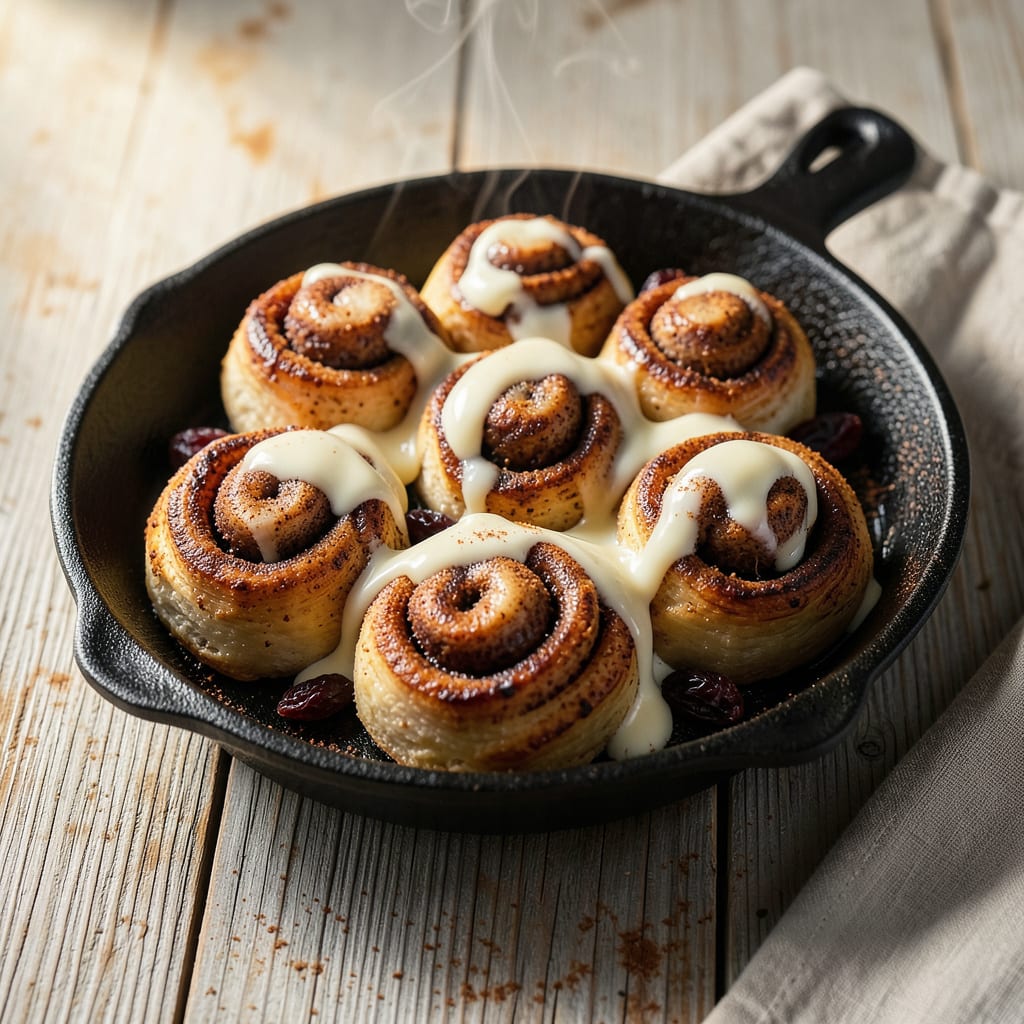
Yes, you can still bake underproofed cinnamon rolls, but they’ll be denser with tighter layers. Bake at 350°F (175°C) for 20-25 minutes—check for doneness with a toothpick. Expect a firmer texture and slightly chewier result, though flavor remains intact.
When yeast doesn’t fully activate, the dough’s gluten network stays tight, preventing those airy, fluffy layers we love. 🔥 I’ve found that underproofed rolls often develop a bread-like consistency—think brioche rather than cloud-soft pastries—because the trapped gases can’t expand properly during baking. The good news? The cinnamon-sugar filling caramelizes beautifully regardless, so you’ll still get that signature gooey center.
My pro tip: If you catch it early, try placing the rolls in a warm, draft-free spot (like an unlit oven with a bowl of hot water) for 15-20 minutes before baking. This last-ditch effort might coax a bit more rise from sluggish yeast. ✨
💡 In This Article
- Why Cinnamon Rolls Fail to Rise and Its Impact on Texture
- How to Salvage and Improve Unrisen Cinnamon Rolls Before Baking
Why Cinnamon Rolls Fail to Rise and Its Impact on Texture
When yeast doesn’t activate properly, the dough’s gluten structure remains tight and compact. Yeast needs warmth (75-85°F) and time to ferment sugars, producing CO₂ that creates air pockets. Without this gas expansion, the rolls bake into a dense, bread-like texture instead of developing those signature fluffy layers.
The gluten strands don’t relax and stretch as they should, resulting in a firmer bite.
The science behind this lies in the dough’s protein matrix. Proper proofing allows glutenin and gliadin proteins to form an elastic network that traps gas bubbles. Underproofed dough has a rigid structure that resists expansion, even when exposed to oven heat.
🔥 This is why your rolls might look more like cinnamon biscuits than the pillowy spirals you envisioned. The lack of air pockets also means less surface area for that buttery cinnamon filling to caramelize between layers.
Heat affects underproofed dough differently during baking. Normally, oven spring (the final rise in the oven) accounts for 20-30% of a roll’s height. Without proper proofing, this expansion is minimal. The rolls may develop a crust faster because the dense interior conducts heat differently, potentially leading to over-browning before the center fully cooks.
I’ve seen this happen when dough sits in a cold draft or the yeast was old and weak.
Here’s what’s happening at the molecular level: The starches in the flour absorb moisture differently in underproofed dough. They don’t fully gelatinize during baking, which contributes to that chewier texture.
The sugar in the filling also interacts differently with the compact dough, often creating a thicker caramelized layer rather than the delicate web of gooey strands you’d get with properly risen rolls.
The flavor remains intact because the cinnamon-sugar filling and butter still work their magic, but the mouthfeel changes dramatically. You’ll notice less “melt-in-your-mouth” quality and more of a hearty, almost bread-pudding-like consistency. The aroma might even be more concentrated since the dense structure holds onto those spiced notes more aggressively during baking. ✨
Temperature plays a crucial role in this process. Yeast activity slows dramatically below 60°F and dies above 120°F. If your kitchen was too cold during proofing, or if you used liquid ingredients straight from the fridge, the yeast might have struggled to do its job.
This temperature sensitivity explains why some batches rise beautifully while others stubbornly stay flat, even when using the same recipe.
What most bakers don’t realize is that underproofed dough actually requires slightly different baking parameters. The dense structure means heat transfers more slowly to the center, which is why I recommend extending the baking time by 3-5 minutes while keeping the temperature at 350°F.
This ensures the interior cooks through without burning the exterior, though you’ll still end up with a more compact final product. 💫

Trained in classic French technique but raised on slow-cooked ribs and spicy rubs, she blends culinary skill with smoke and soul.
- Recipe for Boneless Pork Chops in Cast Iron Skillet: Sear and Baste to Juicy Perfection - October 3, 2026
- Recipe for Boneless Cross Rib Roast: Slow-Roasted Beef with Herb Crust - October 3, 2026
- Hamburgers in Sauce Recipe Crock Pot: Slow-Cooked Savory Delight - October 3, 2026