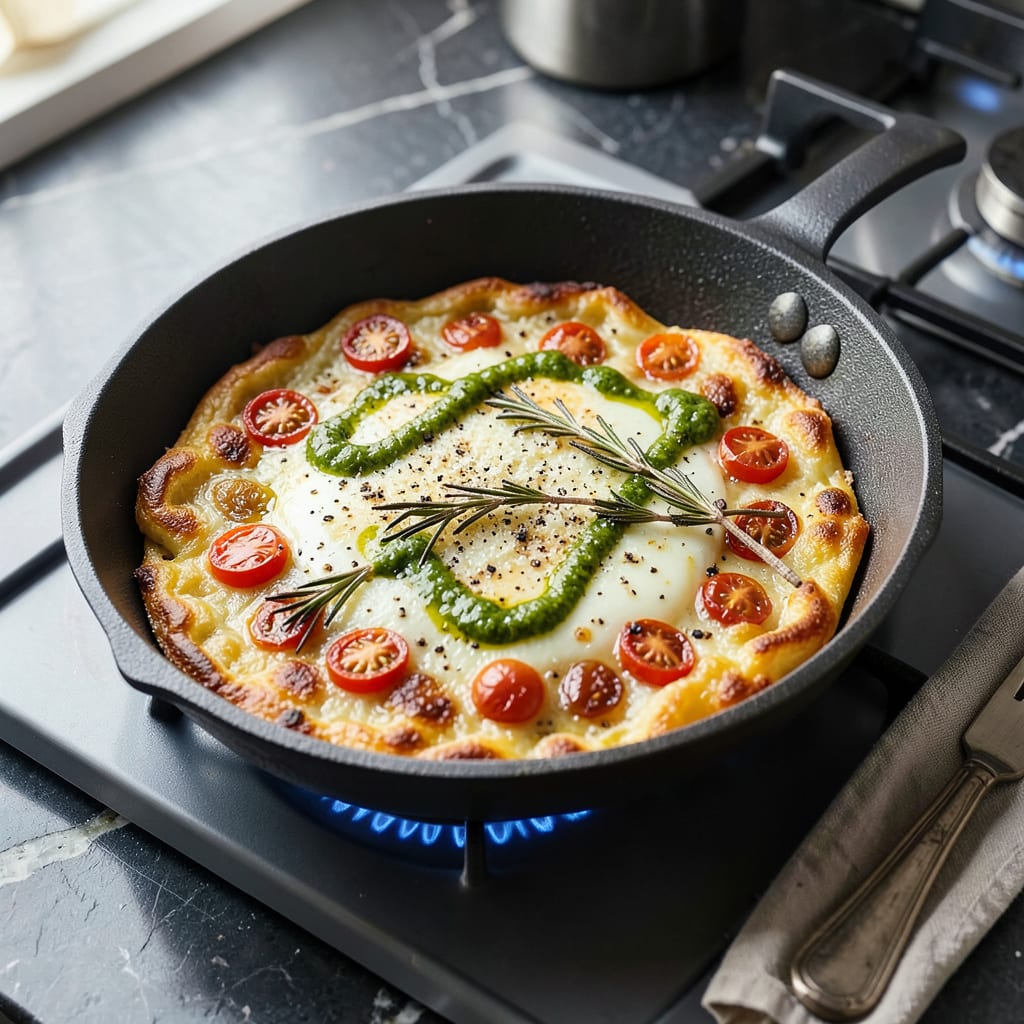
Most stoneware is not safe for direct stovetop use due to risk of cracking from uneven heat. Always check manufacturer guidelines—some modern stoneware is stovetop-compatible if labeled as flameproof or designed for induction cooktops.
I’ve seen too many beautiful stoneware pieces meet their end from stovetop mishaps. The issue comes down to thermal shock—when one part of the ceramic heats up faster than another, it creates internal stress that leads to cracks or even complete breakage. 🔥 This is especially problematic with gas stoves where flames create hot spots. Even if your piece survives the initial heat, repeated exposure can weaken the glaze over time, making it more susceptible to damage during future uses.
What many don’t realize is that the thickness of the stoneware plays a crucial role too. Thinner pieces heat up and cool down more rapidly, while thicker ones may handle gradual temperature changes better. I always recommend preheating your stoneware in the oven when possible, as this allows for more even heat distribution compared to direct stovetop exposure. ✨
💡 In This Article
- Why Stoneware Often Fails on Stovetops
- Safe Alternatives for Cooking with Stoneware
Why Stoneware Often Fails on Stovetops
The core issue lies in stoneware’s thermal expansion coefficient—most traditional pieces expand at different rates when exposed to sudden heat changes. When you place cold stoneware on a 400°F burner, the bottom expands rapidly while the top remains cool, creating internal stress that exceeds the material’s tensile strength.
This mismatch causes microfractures that quickly become visible cracks. 🔥 The glaze compounds this problem, as it often has a different expansion rate than the clay body beneath it.
Modern flameproof stoneware solves this by incorporating 20-30% alumina or other heat-resistant minerals into the clay mixture, which creates a more uniform thermal response. These pieces undergo special firing processes that vitrify the clay at higher temperatures (2300°F+), making them capable of handling direct heat.
Traditional stoneware, fired at lower temps (2000°F), lacks this structural integrity. The difference becomes obvious when you compare how quickly each type absorbs heat—a standard piece might reach 212°F in 2 minutes, while flameproof versions distribute that heat over 5-6 minutes. ✨
Gas stoves present the biggest risk because their open flames create 500°F+ hot spots that stoneware can’t dissipate quickly enough. Electric and induction cooktops provide more even heating, but even they can cause problems if the stoneware isn’t perfectly flat.
I’ve seen pieces warp permanently when placed on uneven burners, creating wobble that makes them unusable. The thickness matters too—pieces under 1/4-inch thick are particularly vulnerable to rapid temperature swings. 💫
What surprises most people is that repeated stovetop use degrades even “safe” stoneware over time. Each heating cycle weakens the glaze’s bond with the clay body, eventually leading to crazing (those fine hairline cracks) that compromise both appearance and food safety.
Manufacturers test their flameproof claims using controlled lab conditions—real kitchens with variable heat sources and user errors often push stoneware beyond these tested limits. 🌟
The glaze composition plays a crucial but overlooked role. Lead-free glazes (now standard) have higher melting points but can develop stress points when heated unevenly. Some artisanal pieces use special “crawling” glazes that intentionally crackle during firing—these are beautiful but disastrous for stovetop use.
Always check for manufacturer markings like “flameproof,” “stovetop safe,” or the international flame symbol, which indicate the piece has passed specific heat cycling tests. ⚡
For perspective, consider that most oven-safe stoneware is rated for 450-500°F in static heat, while stovetop cooking often involves direct contact with 700°F+ surfaces. That 200-degree difference explains why your baking dish might survive the oven but crack on the stove.
The heat transfer mechanisms are fundamentally different—convection in ovens vs. conduction on stovetops—putting very different stresses on the material. 💛

Trained in classic French technique but raised on slow-cooked ribs and spicy rubs, she blends culinary skill with smoke and soul.
- Recipe for Crock Pot Swiss Steak: Slow-Cooked Beef With Mushroom Gravy - October 3, 2026
- Recipe for Kabsa Rice: Spiced Middle Eastern Feast in One Pot - October 3, 2026
- Hamburger Stir Fry Recipe Healthy: Lean Protein and Veggie-Packed Dinner - October 3, 2026