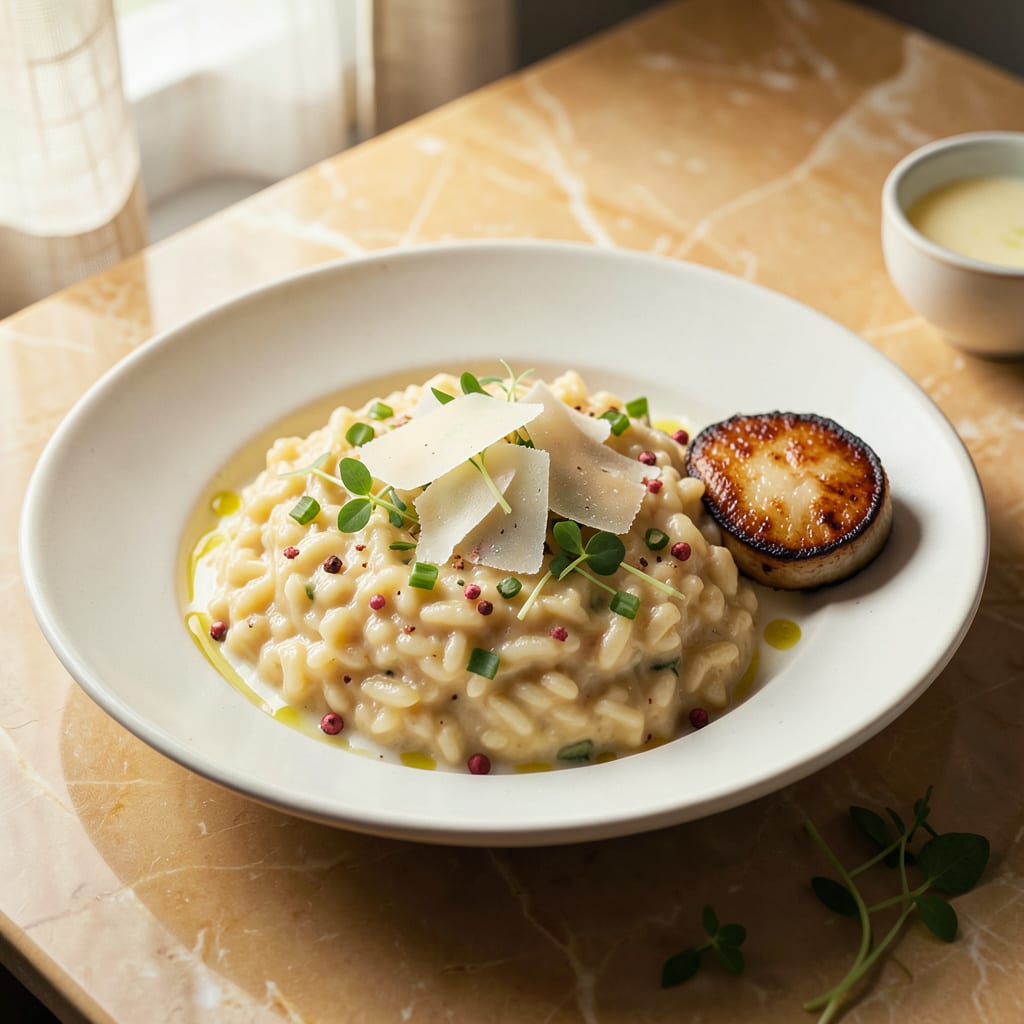
Yes, you can substitute whipping cream for milk in recipes, but it’s much richer and thicker. For best results, dilute it with water (1:1 ratio for whole milk consistency) or adjust the recipe to account for the higher fat content.
I’ve found this swap works beautifully in creamy sauces or custards where richness is welcome, but it can overwhelm delicate baked goods if used straight. 🔥 The secret lies in understanding fat percentages—whipping cream packs about 30% fat compared to milk’s 3-4%, which dramatically changes texture and mouthfeel. For example, in pancakes or muffins, I’d recommend thinning it with water first to avoid a heavy, greasy result.
What’s fascinating is how this substitution behaves under heat. Whipping cream’s higher fat content means it resists curdling better than milk, making it ideal for slow-cooked dishes. ✨ However, in coffee or tea, that same richness can feel cloying unless you adjust the ratio—try 2 parts cream to 1 part water for a smoother sip.
💡 In This Article
- How Whipping Cream Differs from Milk in Cooking
- Best Whipping Cream-to-Milk Ratios for Recipes
How Whipping Cream Differs from Milk in Cooking
The magic—or challenge—of swapping whipping cream for milk comes down to fat content. Whipping cream contains about 30-36% milkfat, while whole milk sits at just 3-4%. This massive difference transforms how liquids behave in recipes. In custards or sauces, that extra fat creates a velvety texture milk simply can’t achieve.
But in delicate baked goods like sponge cakes, it can weigh down the structure. 🔥
Heat reveals the starkest contrast between these ingredients. Milk’s lower fat content makes it prone to curdling when boiled or acidified, while whipping cream’s fat acts as a protective buffer. I’ve seen cream-based soups maintain their smoothness for hours, whereas milk-based versions often separate.
The fat in cream also browns more readily, creating deeper fond in pans—perfect for deglazing into rich pan sauces.
Flavor intensity is another game-changer. That 30% fat carries fat-soluble flavor compounds that milk’s watery base can’t. In mashed potatoes, this means buttery richness without added butter. But in coffee, that same intensity can overwhelm the beans’ nuanced notes. The solution? Dilution.
A 1:1 ratio with water mimics whole milk’s consistency while preserving some of that luxurious mouthfeel.
Texture transformations become obvious in baking. Whipping cream’s fat coats flour proteins differently than milk, inhibiting gluten development. This can create tenderer cookies but denser cakes. For every 1 cup of milk replaced, I reduce other fats by 1-2 tablespoons to balance the richness. The result?
Moist crumbs with a finer grain—ideal for pound cakes but potentially leaden in angel food.
What most home cooks overlook is how these differences affect browning. Milk’s sugars caramelize quickly at 320°F, while cream’s fat content requires higher heat (350°F+) to achieve the same color. This explains why cream-based batters often emerge paler from the oven unless you adjust temperature or baking time. ✨
Even in simple applications like scrambled eggs, the swap creates noticeable changes. Cream yields eggs so rich they border on custard-like, while milk produces lighter, fluffier curds. The choice depends on your goal: decadence versus delicacy. For most recipes, I recommend starting with a 3:1 cream-to-water blend and adjusting to taste.
The science behind this involves emulsion stability. Milk’s proteins and water create a loose emulsion that breaks easily under heat or acid. Whipping cream’s fat globules, stabilized by natural emulsifiers, form a tighter matrix.
This is why cream can be whipped to stiff peaks while milk remains liquid—those fat molecules interlock in ways milk’s lean composition simply can’t match. 💫

Trained in classic French technique but raised on slow-cooked ribs and spicy rubs, she blends culinary skill with smoke and soul.
- Recipe for Boneless Pork Chops in Cast Iron Skillet: Sear and Baste to Juicy Perfection - October 3, 2026
- Recipe for Boneless Cross Rib Roast: Slow-Roasted Beef with Herb Crust - October 3, 2026
- Hamburgers in Sauce Recipe Crock Pot: Slow-Cooked Savory Delight - October 3, 2026