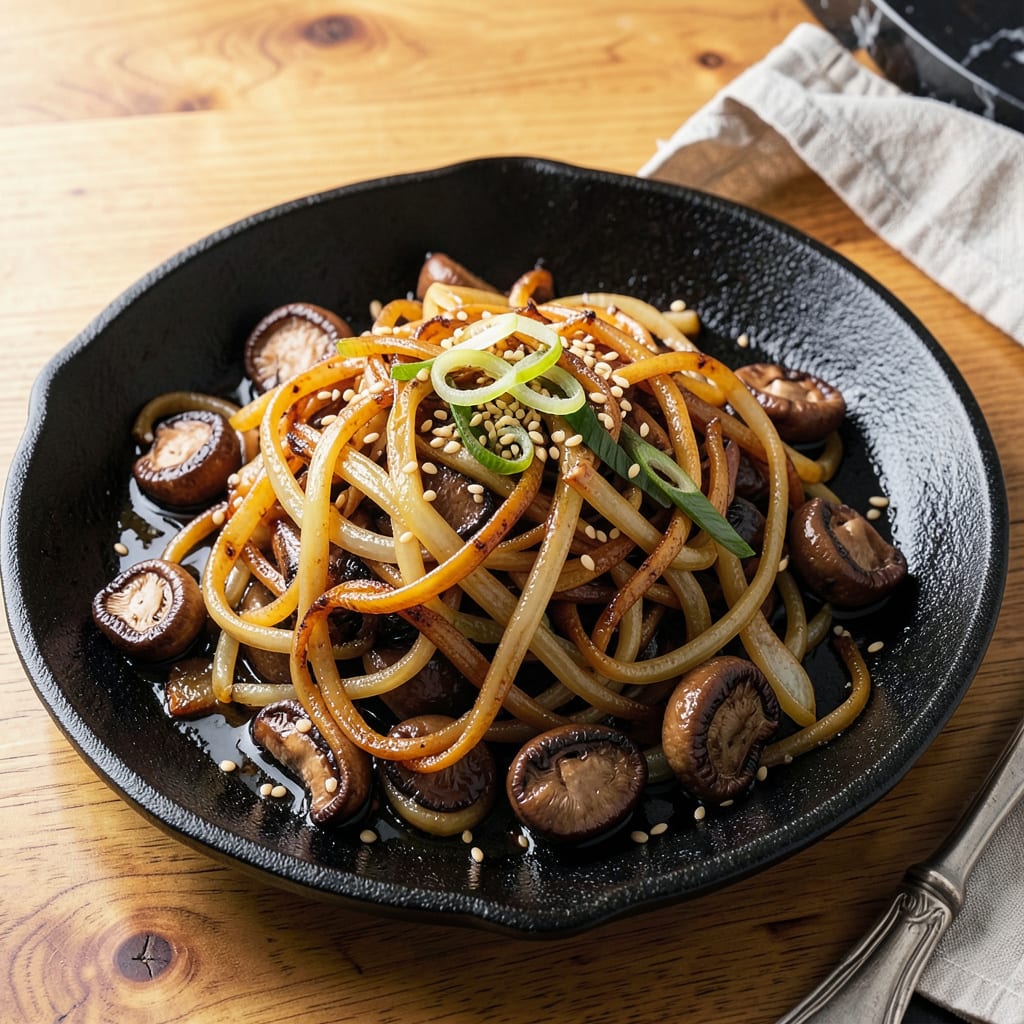
Yes, you can caramelize green onions by cooking them slowly in fat (like butter or oil) over medium-low heat until their natural sugars brown and develop a rich, sweet flavor. The process takes about 15-20 minutes for tender, golden results.
This technique unlocks hidden depth in green onions that raw or quick-cooked versions can’t match. 🔥 The key lies in patience—low heat coaxes out their natural sugars without burning, while the right fat (I prefer brown butter for extra nuttiness) carries those flavors beautifully. Unlike their bulb onion cousins, green onions caramelize faster due to higher water content, so watch them closely after the 10-minute mark to avoid overcooking.
I’ve found this works wonders as a garnish for rich dishes like braised meats or creamy risottos, where their bright, sweet notes cut through heaviness. ✨ The white and light green parts caramelize best, while the dark greens add color and freshness when tossed in at the end. Pro tip: A pinch of salt early on helps draw out moisture for even browning.
💡 In This Article
- How Caramelization Transforms Green Onions
- Step-by-Step Guide to Perfectly Caramelized Green Onions
How Caramelization Transforms Green Onions
The magic happens when heat breaks down green onions’ natural sugars—fructose, glucose, and sucrose—through a process called pyrolysis. As temperatures climb above 230°F, these sugars decompose into hundreds of new flavor compounds, creating that signature deep, sweet complexity.
What makes green onions special is their higher water content (about 89%) compared to bulb onions, which means they caramelize faster but require careful heat management to avoid steaming instead of browning. 🔥
Here’s where the Maillard reaction joins the party. While caramelization focuses on sugars, Maillard involves amino acids reacting with reducing sugars at temperatures around 280-330°F. Green onions contain about 1.8g of protein per 100g, providing ample amino acids to create those rich, savory notes.
The white bases (higher in sugars) develop deeper caramelization, while the green tops (more fibrous) char slightly for smoky contrast. This dual process is why properly caramelized green onions taste both sweet and umami-packed. ✨
Compare this to yellow onions, which contain about 5% sugar versus green onions’ 2.3%. The lower sugar content means green onions caramelize in about half the time—15-20 minutes versus 45-60 minutes for bulb onions. Their thinner cell walls also mean they soften more quickly.
I’ve found they behave similarly to shallots in caramelization, but with a brighter, grassier undertone that persists even after browning. The key is maintaining medium-low heat to prevent their delicate sugars from burning before fully developing. 💫
The transformation isn’t just flavor—it’s structural. Raw green onions have crisp cell walls that snap when bitten. As they caramelize, pectin in their cell walls breaks down, converting that snap into silky tenderness.
The moisture loss concentrates their flavor by about 30-40%, which is why 1 cup raw reduces to roughly ⅓ cup when fully caramelized. This concentration makes them potent enough to elevate simple dishes like scrambled eggs or rice bowls with just a spoonful. 🌟
What most home cooks miss is how fat choice affects the outcome. Butter (with its 15% water content) creates steam that initially softens the onions, while neutral oils like avocado oil allow for higher heat control. Brown butter adds nutty depth that complements the onions’ sweetness beautifully.
I always start with 1 tablespoon fat per cup of sliced onions to ensure proper coating without frying. The fat also helps distribute heat evenly, preventing hot spots that could burn the delicate greens. ⚡
For the most even caramelization, slice green onions into ¼-inch pieces on a sharp diagonal. This increases surface area by about 20% compared to straight cuts, exposing more cell walls to heat. The diagonal cut also creates varied textures—some pieces will crisp at the edges while others stay tender.
Unlike leeks which need thorough washing, green onions require just a quick rinse since dirt collects mainly at the root end. Pat them completely dry before cooking to prevent splattering when they hit hot fat. 💛
The final color tells you everything. Properly caramelized green onions graduate from bright green to deep golden brown with mahogany edges. Undercooked versions will look pale yellow and taste one-dimensional, while overcooked ones turn dark brown and bitter. I aim for the color of well-toasted bread—rich but not charred.
A splash of water or broth in the last 2 minutes helps lift any fond from the pan, incorporating those concentrated flavors back into the onions for maximum impact. 💫

Trained in classic French technique but raised on slow-cooked ribs and spicy rubs, she blends culinary skill with smoke and soul.
- Recipe for Boneless Pork Chops in Cast Iron Skillet: Sear and Baste to Juicy Perfection - October 3, 2026
- Recipe for Boneless Cross Rib Roast: Slow-Roasted Beef with Herb Crust - October 3, 2026
- Hamburgers in Sauce Recipe Crock Pot: Slow-Cooked Savory Delight - October 3, 2026