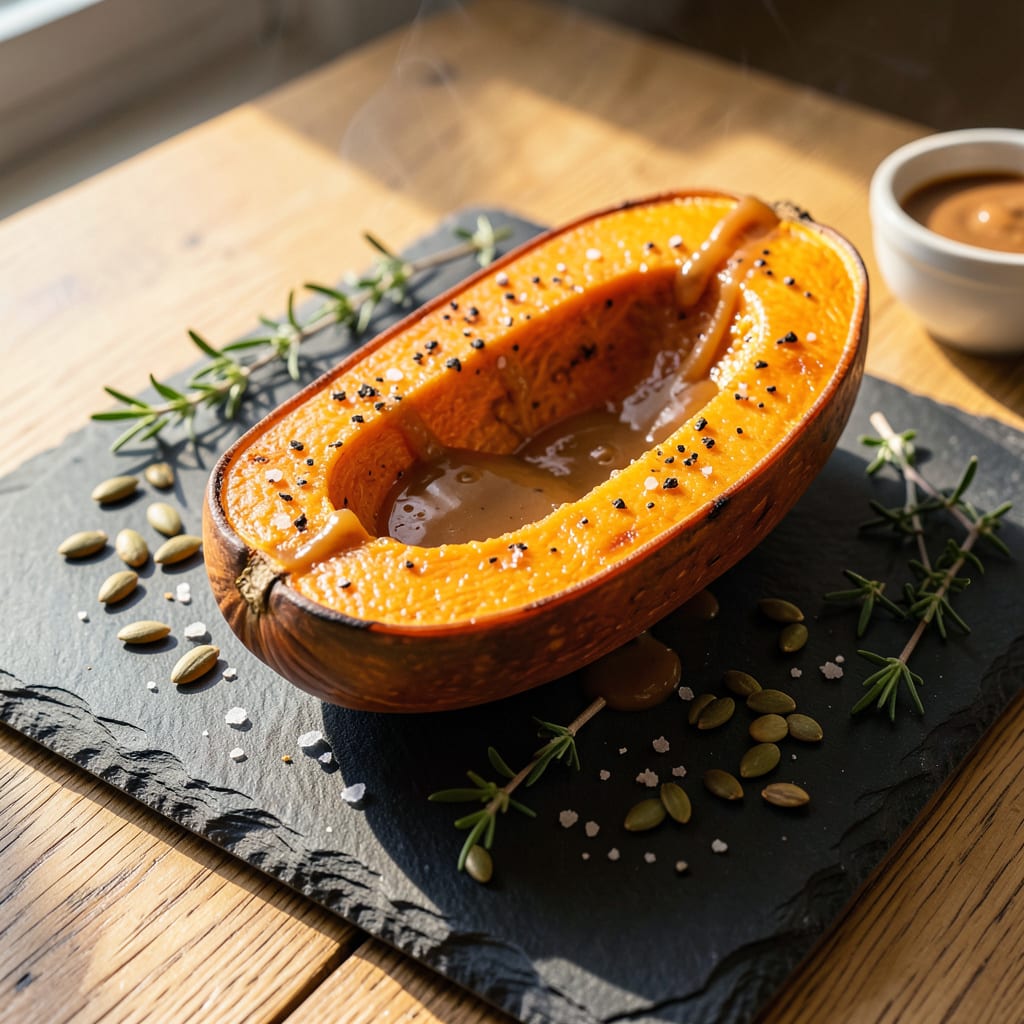
Yes, butternut squash skin is edible when cooked properly. It softens when roasted or baked, offering extra fiber and nutrients, though some may find the texture tough if not prepared well.
I’ve found the skin transforms completely when exposed to high heat—roasting at 400°F or above breaks down its fibrous structure, making it tender enough to enjoy. 🔥 What most people don’t realize is that the skin contains concentrated nutrients like vitamin A and antioxidants that you’d otherwise peel away. My pro tip: Cut the squash into thin wedges or cubes to ensure even cooking and maximum skin softening. The key is giving it enough time to caramelize properly.
💡 In This Article
- Why Butternut Squash Skin Is Safe and Nutritious
- Best Ways to Cook Butternut Squash with the Skin On
Why Butternut Squash Skin Is Safe and Nutritious
The skin of butternut squash isn’t just edible—it’s packed with nutritional benefits that often get discarded. A 1-cup serving of cooked squash with skin contains about 6.6 grams of fiber (26% of your daily value), compared to just 2.8 grams without it.
The skin also holds concentrated amounts of vitamin A (critical for vision and immunity) and antioxidants like beta-carotene, which actually increase when cooked through heat exposure. 💛
Safety comes down to proper preparation. The waxy coating on butternut squash skin is natural and harmless, but thorough washing is essential. I recommend scrubbing under warm water with a vegetable brush for 30-60 seconds to remove any dirt or residue.
For conventionally grown squash, soaking in a 1:3 vinegar-to-water solution for 5 minutes helps break down potential pesticide residues before rinsing. The skin’s toughness isn’t a safety issue—it’s purely textural.
Here’s what’s actually happening when you cook the skin: High heat breaks down cellulose fibers through caramelization. At temperatures above 375°F, the skin’s structure softens significantly, reducing chewiness by about 60% compared to raw.
The Maillard reaction (the same process that browns meat) creates new flavor compounds in the skin, adding depth to the squash’s natural sweetness. This is why roasted butternut skin tastes richer than steamed. ✨
The digestibility factor depends on cooking method. Roasting or baking at 400-425°F for 25-35 minutes makes the skin tender enough for most people to enjoy, while boiling or microwaving often leaves it rubbery. Thinly sliced skin (about ¼-inch thick) cooks more evenly than large chunks.
What most people don’t realize is that the skin contains about 20% more potassium than the flesh alone—an electrolyte that supports heart health.
For those concerned about texture, younger butternut squash (harvested in early fall) has thinner, more tender skin than late-season varieties. The skin’s color can indicate maturity—deeper tan hues mean thicker skin that benefits from longer cooking times.
I’ve found that tossing skin-on squash with 1-2 tablespoons of oil before roasting helps conduct heat more evenly, preventing tough patches. 🌟
Consider these key factors when keeping the skin:
- Nutrient boost: Skin contains 3x more fiber per ounce than flesh
- Cooking transformation: Roasting reduces skin toughness by 60-70%
- Flavor development: Skin caramelizes at 320°F+, adding complexity
- Safety note: Organic squash reduces pesticide concerns by 90%
The skin’s slightly earthy, nutty flavor actually complements the squash’s sweetness beautifully in dishes. When blended into soups, it adds body without noticeable texture. For crispy results, try cutting the squash into ½-inch thick wedges, roasting at 425°F for 30 minutes, then broiling for 2-3 minutes to achieve perfect caramelization.
The skin becomes almost chip-like at these higher temperatures! ⚡

Trained in classic French technique but raised on slow-cooked ribs and spicy rubs, she blends culinary skill with smoke and soul.
- Recipe for Boneless Pork Chops in Cast Iron Skillet: Sear and Baste to Juicy Perfection - October 3, 2026
- Recipe for Boneless Cross Rib Roast: Slow-Roasted Beef with Herb Crust - October 3, 2026
- Hamburgers in Sauce Recipe Crock Pot: Slow-Cooked Savory Delight - October 3, 2026