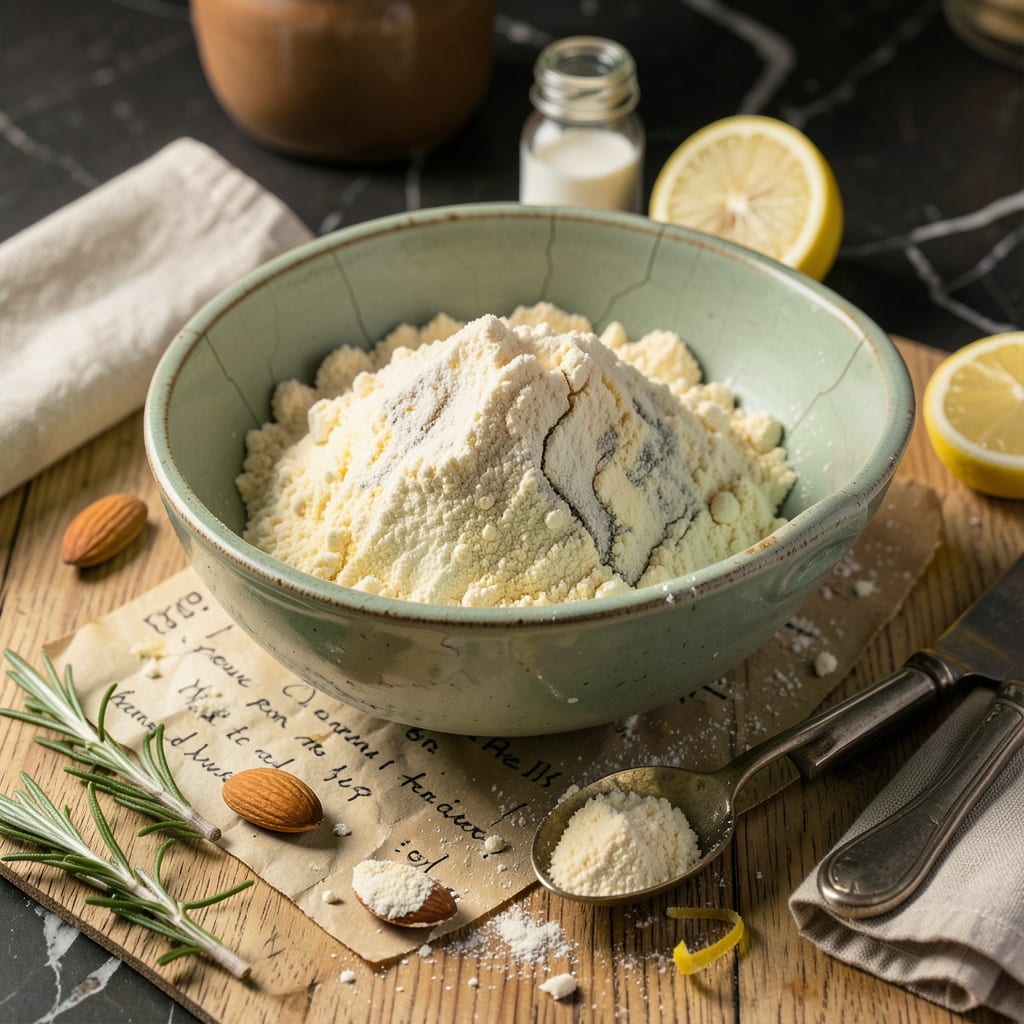
Eating expired almond flour isn’t automatically unsafe if stored properly, but its quality declines over time. Check for rancid smells, off flavors, or mold before use. When in doubt, discard it to avoid foodborne illness risks.
Almond flour’s high fat content makes it particularly vulnerable to oxidation, which accelerates after the expiration date. 🔥 I’ve noticed that even properly stored flour can develop a bitter, paint-like odor when its natural oils start breaking down. This process happens faster if the flour was exposed to heat, light, or humidity during storage. The key difference between “expired” and “spoiled” comes down to sensory evaluation—trust your nose and taste buds more than the package date.
💡 In This Article
- How Almond Flour Spoilage Happens Over Time
- Maximizing Almond Flour Freshness: Storage and Usage Tips
How Almond Flour Spoilage Happens Over Time
The moment almond flour is ground, its high fat content (about 50-60% by weight) begins reacting with oxygen. This oxidation process breaks down the healthy unsaturated fats into smaller compounds that create that telltale rancid smell—similar to how old paint or varnish develops an unpleasant odor.
The finer the grind, the faster this happens because more surface area is exposed to air. 🔥
Moisture is the silent accelerator of spoilage. Almond flour absorbs humidity like a sponge, creating the perfect environment for mold growth when combined with warmth. I’ve seen unopened packages develop mold spots when stored in humid pantries above 70°F.
The packaging matters too: paper bags allow oxygen exchange, while vacuum-sealed containers can extend freshness by 3-6 months. ✨
Here’s what to watch for: Fresh almond flour smells slightly sweet and nutty. As it degrades, you’ll notice a sharp, bitter aroma (like stale walnuts) and a yellowish tint. The texture becomes clumpy when moisture gets in, or powdery when completely dried out. Taste-wise, rancid flour leaves a lingering metallic aftertaste that ruins baked goods.
💫
Temperature plays a critical role in spoilage speed. Every 18°F increase doubles the rate of fat oxidation. That’s why fridge storage (35-40°F) extends shelf life by 6-12 months compared to pantry storage. Freezing at 0°F nearly stops oxidation, preserving quality for up to 2 years if properly sealed. ⚡
The expiration date is just a manufacturer’s estimate based on ideal conditions. In reality, unopened almond flour lasts 1-2 months past date at room temp, while opened packages degrade within 2-4 weeks. The real danger comes from invisible mold spores that can produce toxins even before visible growth appears.
When in doubt, the “sniff test” is your best defense. 💛
Pro tip: If your flour passes the smell test but you’re unsure, try cooking a small test batch. Rancid flour will make pancakes taste bitter and leave an unpleasant coating in your mouth. Fresh flour should give you light, nutty-flavored results with no aftertaste. This simple test can save you from ruining an entire recipe!
🌟

Trained in classic French technique but raised on slow-cooked ribs and spicy rubs, she blends culinary skill with smoke and soul.
- Recipe for Boneless Pork Chops in Cast Iron Skillet: Sear and Baste to Juicy Perfection - October 3, 2026
- Recipe for Boneless Cross Rib Roast: Slow-Roasted Beef with Herb Crust - October 3, 2026
- Hamburgers in Sauce Recipe Crock Pot: Slow-Cooked Savory Delight - October 3, 2026