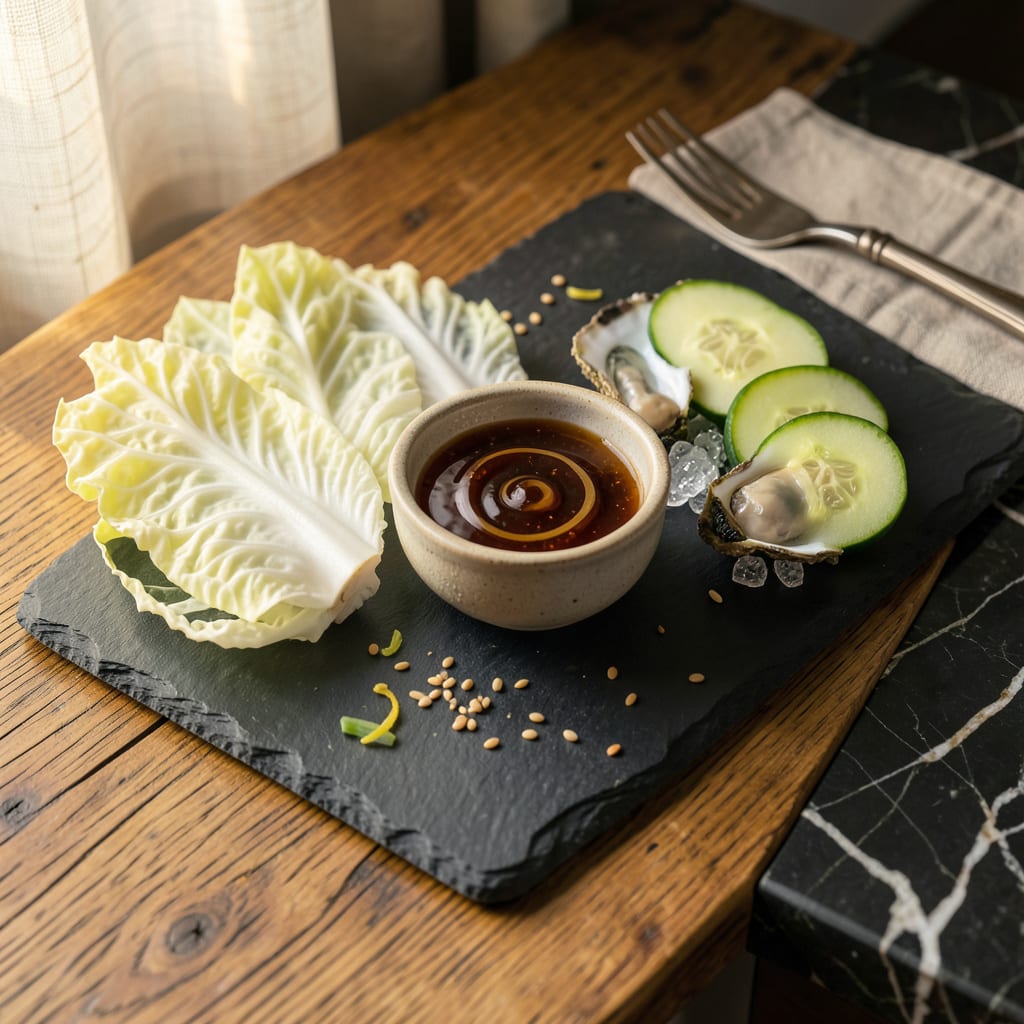
Oyster sauce is technically safe to eat raw since it’s cooked during production, but its concentrated umami flavor and high sodium content make it unpleasant and potentially unhealthy when consumed undiluted or in large amounts.
I’ve worked with oyster sauce in countless recipes, and here’s what I’ve learned: the fermentation and boiling process it undergoes gives it that deep, caramelized flavor—but it also concentrates the sodium to levels that can overwhelm your palate. 🔥 Think of it like soy sauce: you wouldn’t drink it straight, but a few drops can transform a dish. The key is balance—raw oyster sauce shines when diluted in dressings or dips, where its intensity can be tempered with acidity or sweetness.
What’s fascinating is how this condiment walks the line between raw and cooked. While it’s technically shelf-stable due to pasteurization, its bold profile demands careful handling. I always recommend starting with ½ teaspoon in uncooked applications and adjusting from there—it’s powerful stuff! ✨
💡 In This Article
- How Oyster Sauce Processing Affects Raw Consumption Safety
- Smart Ways to Use Oyster Sauce Without Cooking
How Oyster Sauce Processing Affects Raw Consumption Safety
The journey from oyster extract to shelf-stable sauce involves multiple safety steps. First, oysters are simmered for hours to create a concentrated broth, which is then combined with soy sauce, sugar, and thickeners. This mixture undergoes pasteurization at 185°F for 15-30 minutes, eliminating harmful bacteria while preserving flavor.
The high salt content (typically 1,500-2,500mg sodium per tablespoon) acts as a natural preservative, inhibiting microbial growth.
What makes oyster sauce unique is its dual fermentation process. The oyster extract ferments separately before blending with soy sauce (which has already undergone its own fermentation). This creates complex umami compounds like glutamates and nucleotides that intensify during the boiling phase.
The final product has a pH around 4.5-5.0, acidic enough to prevent most bacterial growth while maintaining a rich, savory profile.
FDA regulations classify oyster sauce as a “shelf-stable condiment,” meaning it’s processed to be safe at room temperature. The combination of heat treatment, high sodium, and acidity makes it technically safe to consume straight from the bottle. However, the concentrated flavors—imagine 5x the saltiness of soy sauce with a syrupy texture—make it overwhelming when undiluted.
I’ve tasted it raw during recipe testing, and the first sensation is an intense saltiness followed by a lingering caramelized sweetness.
The “raw” label in recipes refers to its uncooked application, not its production state. Think of it like Worcestershire sauce or fish sauce—technically cooked during manufacturing but often added to dishes without further heating.
The key difference is oyster sauce’s viscosity; its thick consistency comes from cornstarch or tapioca added during the final cooking phase, which also contributes to its stability.
For context, traditional oyster sauce contains about 60-70% oyster extract by volume, with the remainder being soy sauce, sugar, and thickeners. This concentration explains why even ½ teaspoon can dominate a dish’s flavor profile.
The pasteurization process also caramelizes the natural sugars in oysters, creating those deep brown hues and complex flavors that make it so versatile in cooking.
What most home cooks don’t realize is that commercial oyster sauce often includes MSG (monosodium glutamate) as a flavor enhancer. While FDA-approved and generally recognized as safe, this adds another layer of intensity to the raw experience.
The combination of natural glutamates from oysters and added MSG creates that signature “fifth taste” umami punch that can be overpowering when not balanced with other ingredients.
The thermal processing also affects the sauce’s texture. When you examine raw oyster sauce closely, you’ll notice it has a glossy sheen and coats the back of a spoon—this is from the starches gelatinizing during cooking.
This same property makes it cling beautifully to stir-fry ingredients when heated, but can feel overly thick and syrupy when consumed raw. ✨

Trained in classic French technique but raised on slow-cooked ribs and spicy rubs, she blends culinary skill with smoke and soul.
- Recipe for Boneless Pork Chops in Cast Iron Skillet: Sear and Baste to Juicy Perfection - October 3, 2026
- Recipe for Boneless Cross Rib Roast: Slow-Roasted Beef with Herb Crust - October 3, 2026
- Hamburgers in Sauce Recipe Crock Pot: Slow-Cooked Savory Delight - October 3, 2026