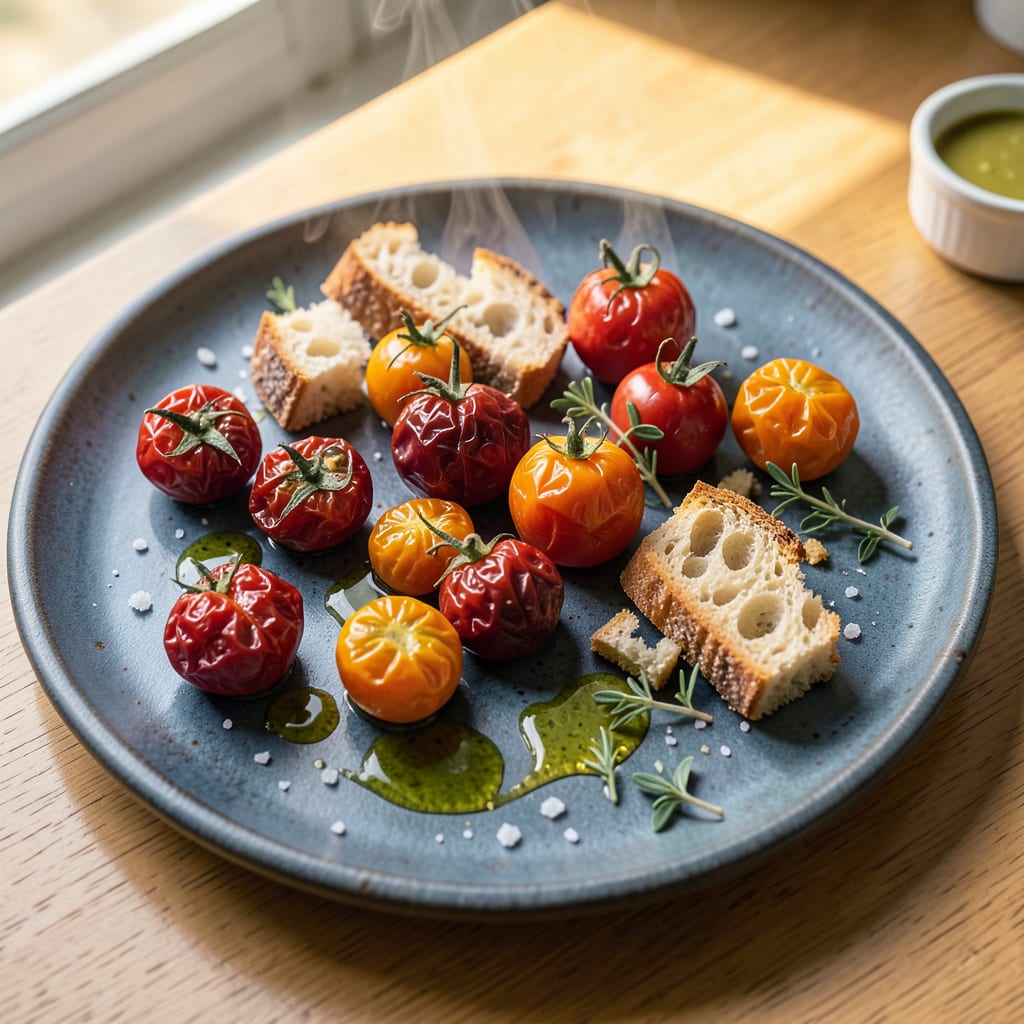
Wrinkled cherry tomatoes are generally safe to eat if they show no mold or foul odor. Their flavor may be more concentrated due to moisture loss, but texture becomes softer. Discard if they feel slimy or smell off.
I’ve found that wrinkling often signals dehydration rather than spoilage—think of it as nature’s way of intensifying flavors. 🔥 These tomatoes become sweeter and more complex, perfect for sauces or roasting where their concentrated taste can shine. The key is checking for secondary signs: a wrinkled exterior alone doesn’t mean trouble, but combine it with stickiness or off-putting aromas, and that’s your cue to toss them. My pro tip? Use these in cooked dishes where texture matters less, like simmered pasta sauces or blended soups.
💡 In This Article
- Why Cherry Tomatoes Wrinkle and When to Avoid Them
- Creative Ways to Use Wrinkled Cherry Tomatoes in Cooking
Why Cherry Tomatoes Wrinkle and When to Avoid Them
The wrinkling process begins when tomatoes lose moisture through their skin faster than they can replenish it. This happens because the cell walls start breaking down as the fruit ages, reducing their ability to retain water. 🔥 Think of it like a balloon slowly deflating—what was once taut and firm becomes soft and collapsed.
The scientific term for this is “turgor loss,” where the internal pressure that keeps plant cells rigid decreases.
What’s fascinating is how this moisture loss actually concentrates the natural sugars and acids. A fresh cherry tomato contains about 94% water, but as it wrinkles, that percentage drops to 85-90%. This creates a more intense flavor profile—similar to how sun-dried tomatoes develop their signature sweet-tart punch.
The process accelerates at room temperature, which is why refrigerated tomatoes often wrinkle more slowly but may develop mealy textures instead.
Here’s where safety comes into play: wrinkling alone doesn’t indicate spoilage, but it does create micro-environments where bacteria could potentially thrive. 💫 The key warning signs are tactile changes—sliminess indicates bacterial growth, while dry wrinkles are just dehydration. I always check the stem area first, as this is where mold typically appears.
A healthy wrinkled tomato should still feel slightly resilient when gently squeezed, not mushy or sticky.
Storage conditions dramatically affect how quickly tomatoes wrinkle. At 70°F, they’ll lose moisture about twice as fast as at 55°F. Humidity matters too—below 85% relative humidity accelerates wrinkling. That’s why I recommend storing them in a paper bag in the fridge if you won’t use them immediately.
The bag maintains higher humidity than open air while allowing some breathability to prevent mold growth.
The wrinkling process also affects nutrient concentration. As water leaves, vitamins like C and K become more concentrated per gram of tomato. However, some heat-sensitive nutrients like vitamin C begin degrading once the protective skin starts breaking down.
This is why wrinkled tomatoes are actually better for cooked applications—they’ve already started the flavor concentration process that cooking would normally provide.
What most people don’t realize is that the wrinkling process varies by variety. Heirloom cherry tomatoes often wrinkle more dramatically than hybrid varieties because their thinner skins lose moisture faster.
🌟 I’ve noticed that Sungold tomatoes tend to wrinkle before their red counterparts due to their higher sugar content, which attracts more moisture from the flesh to the surface through osmosis.
The final test I use is the “bounce test”—gently drop the tomato from about an inch above your palm. A fresh one will bounce slightly, while an over-wrinkled one will feel dead in your hand. This simple trick reveals how much internal structure remains.
Remember that wrinkled doesn’t mean bad—it just means the tomato’s life cycle is progressing, and your cooking approach should adapt accordingly.

Trained in classic French technique but raised on slow-cooked ribs and spicy rubs, she blends culinary skill with smoke and soul.
- Recipe for Boneless Pork Chops in Cast Iron Skillet: Sear and Baste to Juicy Perfection - October 3, 2026
- Recipe for Boneless Cross Rib Roast: Slow-Roasted Beef with Herb Crust - October 3, 2026
- Hamburgers in Sauce Recipe Crock Pot: Slow-Cooked Savory Delight - October 3, 2026