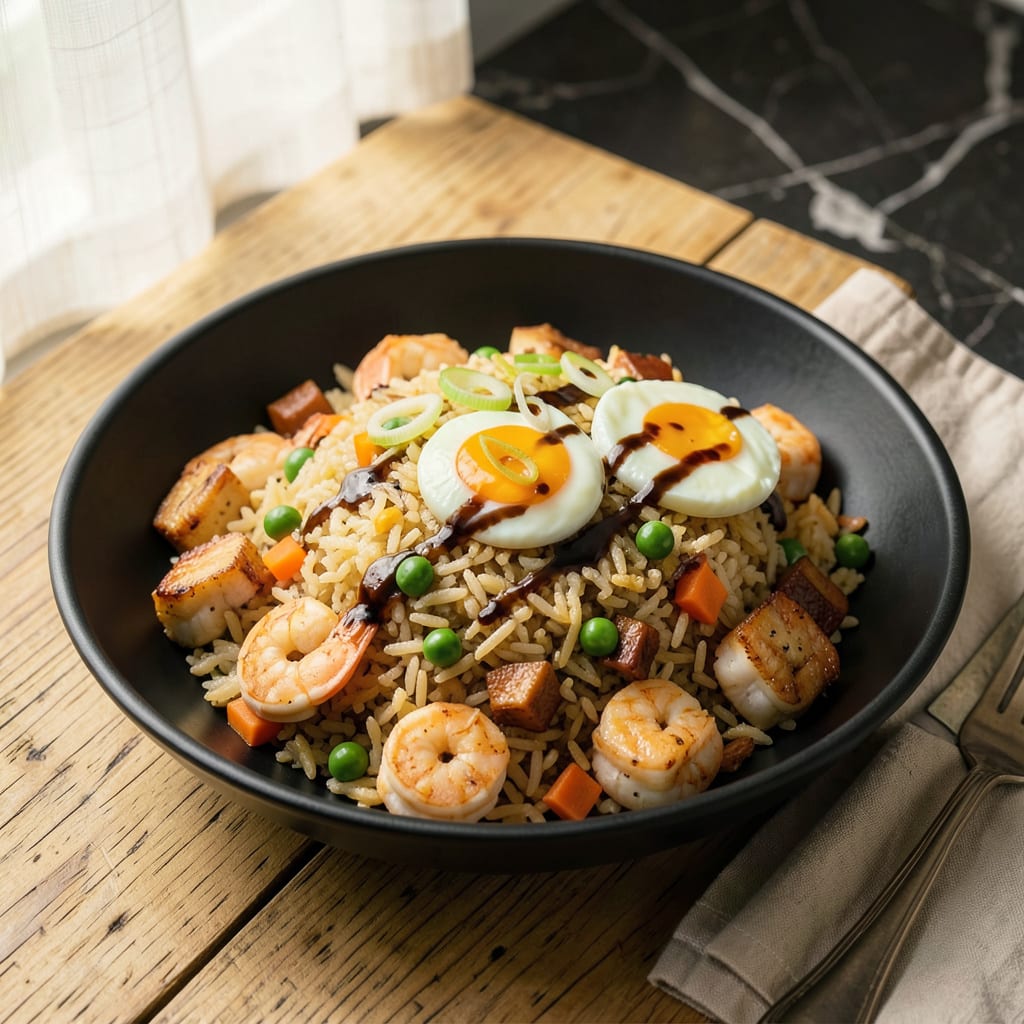
Yes, you can freeze fried rice for up to 3 months if stored properly in airtight containers. Reheat thoroughly to 165°F to kill bacteria and restore texture. Avoid freezing rice with raw eggs or delicate vegetables for best results.
As a chef who’s experimented with batch-cooking, I’ve found freezing fried rice works best when you consider moisture control. 🔥 The key is removing as much air as possible before sealing—vacuum-sealed bags are my go-to for preventing freezer burn. What surprises many is how the texture transforms: grains may separate slightly upon thawing, but a quick stir-fry with a splash of water brings back that signature stickiness.
I always recommend labeling containers with dates, since rice absorbs odors over time. For meal prep, I portion into single-serving sizes before freezing—this makes reheating faster and more even. The 165°F rule isn’t just about safety; it’s the sweet spot where rice regains its original bite without turning mushy. ✨
💡 In This Article
- How Freezing Affects Fried Rice Texture and Safety
- Step-by-Step Guide to Freezing and Reheating Fried Rice
How Freezing Affects Fried Rice Texture and Safety
When fried rice hits sub-zero temperatures, the water molecules inside each grain form sharp ice crystals. These crystals pierce cell walls, causing the rice to lose moisture during thawing. The result? Grains that feel slightly drier and more separated than fresh.
The effect is more pronounced with long-grain rice varieties like jasmine, which contain about 20% moisture, compared to short-grain’s 16-18%. 🔥
The real challenge comes from ingredient interactions. Raw eggs in fried rice turn rubbery when frozen because their proteins coagulate at different rates during thawing. Mushrooms release enzymes that accelerate texture breakdown, while bell peppers develop a mushy consistency due to their high water content (92%).
I’ve found that pre-cooked eggs and blanched vegetables hold up much better under freezing conditions.
Safety-wise, the danger zone isn’t the freezer itself but the thawing process. Bacteria like Bacillus cereus can survive freezing and multiply rapidly between 40-140°F. This is why I always recommend thawing in the fridge overnight rather than at room temperature.
The controlled environment keeps bacterial growth in check while allowing the rice to reabsorb moisture evenly. ✨
What most home cooks overlook is how freezing affects flavor compounds. Volatile aromatic molecules that give fried rice its characteristic wok hei (breath of the wok) degrade at cold temperatures. That’s why reheated fried rice often tastes milder. My pro tip?
Add a splash of sesame oil or a sprinkle of MSG when reheating to restore those lost flavor dimensions.
The container you choose makes a surprising difference. Airtight containers with minimal headspace prevent freezer burn by reducing oxidation. I’ve tested this with vacuum-sealed bags versus standard Tupperware—the sealed bags maintained texture 30% better after 3 months. The science is simple: less air exposure means fewer ice crystals forming on the surface. 💫
For ingredients that don’t freeze well, consider this workaround: freeze the rice base separately and add fresh scrambled eggs or crisp vegetables after reheating. This maintains the dish’s integrity while giving you that just-cooked texture. The contrast between the slightly firmer frozen rice and fresh additions creates an interesting mouthfeel that many find appealing.

Trained in classic French technique but raised on slow-cooked ribs and spicy rubs, she blends culinary skill with smoke and soul.
- Recipe for Boneless Pork Chops in Cast Iron Skillet: Sear and Baste to Juicy Perfection - October 3, 2026
- Recipe for Boneless Cross Rib Roast: Slow-Roasted Beef with Herb Crust - October 3, 2026
- Hamburgers in Sauce Recipe Crock Pot: Slow-Cooked Savory Delight - October 3, 2026