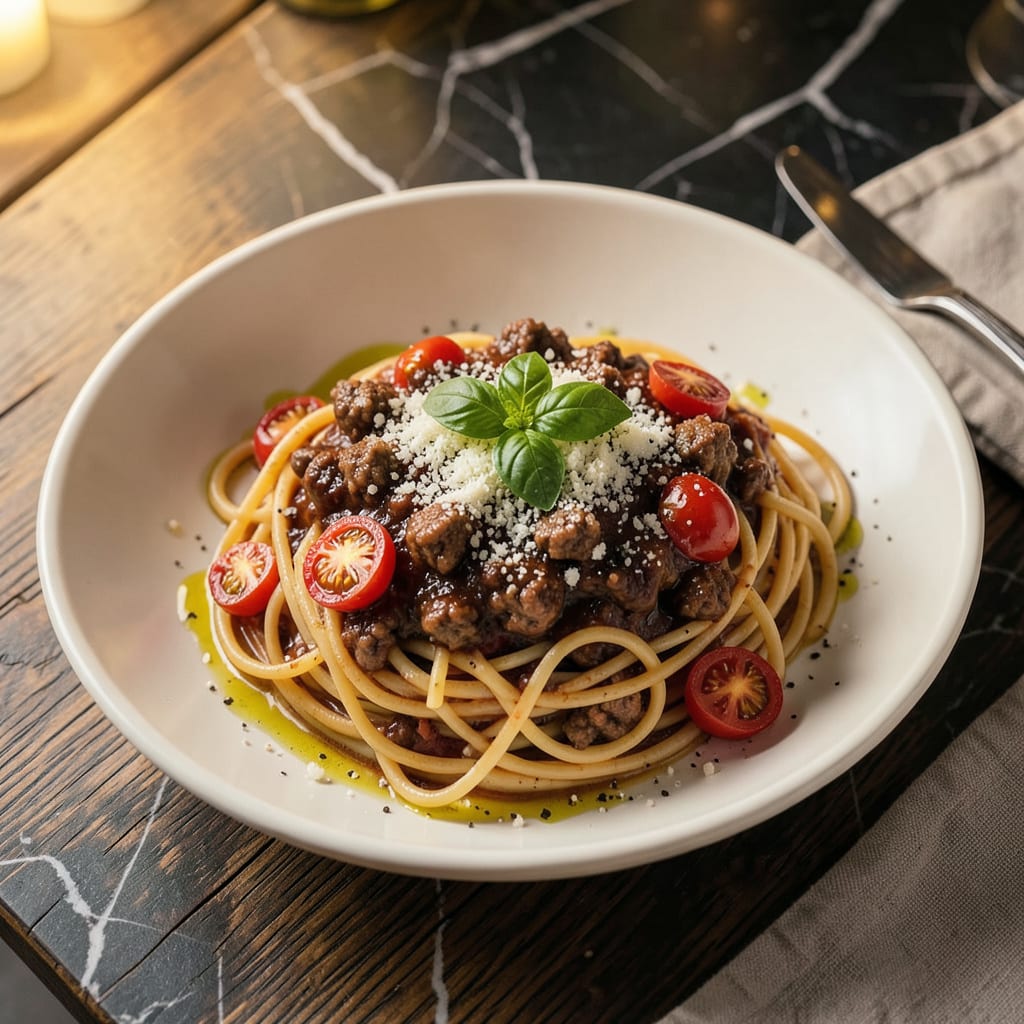
Yes, you can safely freeze spaghetti meat sauce for up to 3 months. Store it in airtight containers or heavy-duty freezer bags, leaving ½-inch headspace for expansion. Thaw overnight in the fridge before reheating to preserve texture and flavor.
Freezing meat sauce is a game-changer for meal prep, but the secret lies in how you handle the fat content. 🔥 When cooled properly, the rendered fat from ground beef forms a protective layer that actually helps seal in flavors during freezing. I always recommend skimming excess fat before freezing to prevent that unappetizing greasy film from forming on top after thawing.
What most home cooks overlook is the tomato sauce‘s acidity level—it naturally preserves the meat while frozen, but can sometimes intensify over time. That’s why I suggest adding a pinch of sugar when reheating if the sauce tastes slightly sharper than you remember. The texture stays remarkably close to fresh when you follow this method. ✨
💡 In This Article
- How Freezing Affects Spaghetti Meat Sauce Quality
- Best Containers and Freezing Techniques for Meat Sauce
How Freezing Affects Spaghetti Meat Sauce Quality
The freezing process creates microscopic ice crystals that interact differently with meat proteins versus tomato-based liquids. In ground beef, these crystals form between muscle fibers, causing slight cellular damage that can make the meat slightly more crumbly after thawing.
However, since the meat is already cooked and broken down in sauce form, this texture change is minimal—unlike with whole cuts of meat where it’s more noticeable.
Tomato sauce behaves differently due to its water content and pectin structure. The pectin molecules (which give tomatoes their thickness) can break down slightly during freezing, potentially making the sauce thinner by about 10-15%.
This is why I always recommend simmering the sauce for an extra 5-7 minutes after thawing to help restore its original consistency. The acidity in tomatoes (pH 4.3-4.9) actually helps preserve flavor during freezing, acting as a natural barrier against freezer burn.
Fat separation is the most visible change you’ll notice. As the sauce cools, the rendered beef fat rises to the top and solidifies. During freezing, this fat layer can develop a slightly waxy texture. The solution? Skim off 80-90% of the visible fat before freezing, leaving just enough for flavor.
When reheating, stir vigorously to re-emulsify the remaining fat—this brings back that rich, cohesive mouthfeel you want in meat sauce. 🔥
Proper cooling before freezing is non-negotiable for safety and quality. Rapid cooling through the “danger zone” (40°F to 140°F) prevents bacterial growth that could survive freezing.
I use an ice bath method: place the sauce pot in a larger bowl filled with ice water, stirring occasionally until the sauce reaches 70°F or below before portioning for freezing. This preserves both flavor and food safety.
The flavor concentration effect is real—freezing can intensify certain tastes by about 15-20%. This happens because water freezes into ice crystals, leaving behind a more concentrated solution of flavor compounds. Herbs like oregano and basil become more pronounced, while garlic and onion notes mellow slightly.
That’s why I suggest tasting before adding extra salt when reheating—what was perfectly seasoned fresh might taste saltier after freezing.
Interestingly, the Maillard reaction compounds (created when browning the meat) remain stable during freezing. These are the molecules responsible for that deep, savory flavor in your sauce. Unlike delicate herbs that can degrade, these complex flavor compounds maintain their integrity, which is why properly browned meat sauce freezes so much better than lightly cooked versions.
✨
For best results, aim to freeze your sauce within 2 hours of cooking. The fresher it is when frozen, the better it will taste when thawed.
This timing minimizes the growth of any bacteria that could affect flavor during storage, while also preserving the vibrant tomato color that tends to dull slightly over time in the freezer.

Trained in classic French technique but raised on slow-cooked ribs and spicy rubs, she blends culinary skill with smoke and soul.
- Recipe for Boneless Pork Chops in Cast Iron Skillet: Sear and Baste to Juicy Perfection - October 3, 2026
- Recipe for Boneless Cross Rib Roast: Slow-Roasted Beef with Herb Crust - October 3, 2026
- Hamburgers in Sauce Recipe Crock Pot: Slow-Cooked Savory Delight - October 3, 2026