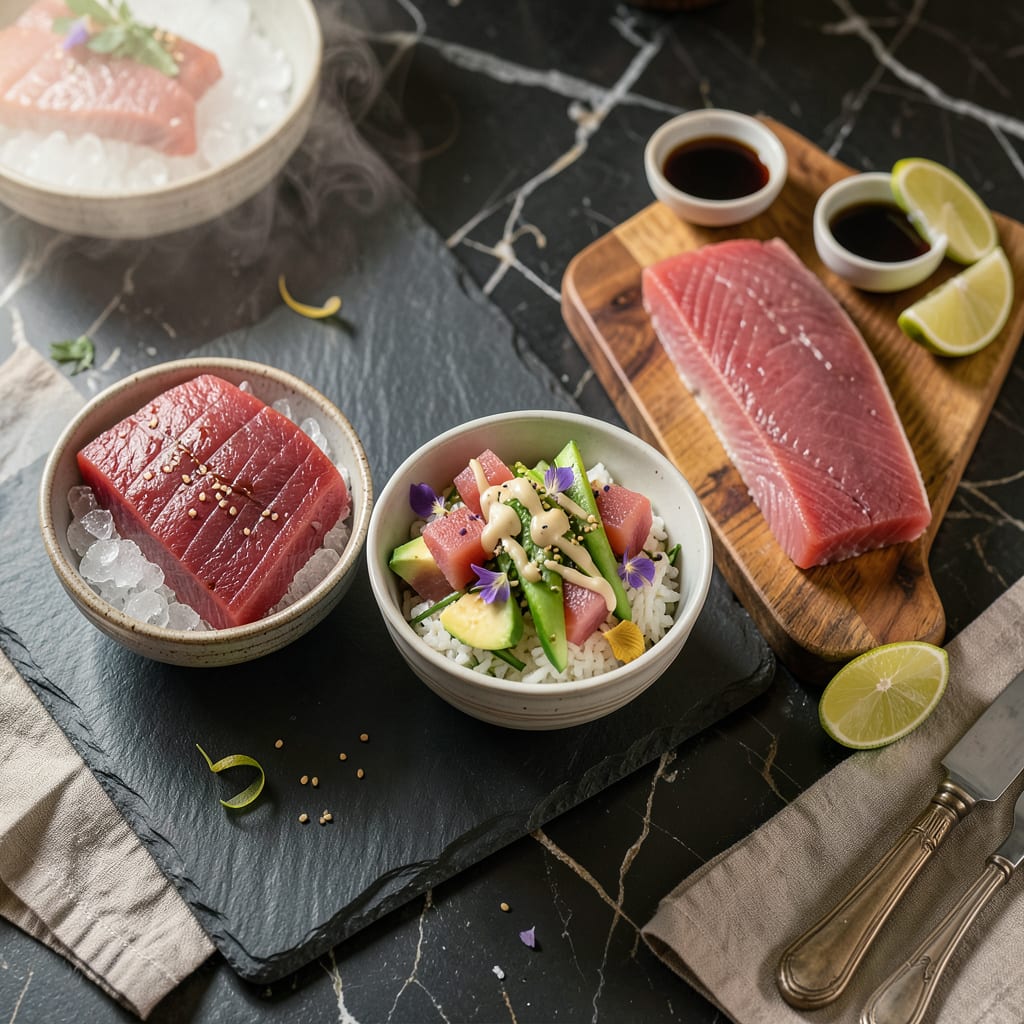
Yes, you can freeze tuna safely for up to 3 months if stored properly in airtight packaging or vacuum-sealed bags. Fresh tuna maintains better texture than canned when frozen, but both can be preserved effectively.
Freezing tuna is one of my go-to preservation methods when I want to lock in freshness without sacrificing quality. The key lies in how you prep it—removing excess moisture and sealing it tightly prevents those dreaded freezer burns that ruin texture. 🔥 I’ve found that fresh tuna steaks hold up remarkably well if you flash-freeze them first on a tray before vacuum-sealing, which minimizes ice crystal damage. Canned tuna, while less delicate, still benefits from being drained and stored in portioned bags to avoid flavor absorption from other freezer items.
💡 In This Article
- How Freezing Affects Tuna Texture and Flavor
- Step-by-Step Guide to Freezing Tuna Properly
How Freezing Affects Tuna Texture and Flavor
When tuna freezes, the water inside its muscle fibers forms sharp ice crystals that physically rupture cell walls. This is why improperly frozen tuna can become mushy when thawed—the cell damage releases moisture that was once neatly contained.
Fresh tuna is particularly vulnerable because its delicate flesh has larger, more fragile cells compared to the pre-cooked, denser structure of canned tuna. The faster you freeze it, the smaller the ice crystals form, which means less cellular damage. 🔥
Fresh tuna’s natural oils also behave differently during freezing. At temperatures below 0°F (-18°C), these oils can partially solidify, but they don’t crystallize like water. This is why properly frozen fresh tuna retains more of its buttery mouthfeel than leaner fish—those oils act as a protective barrier against moisture loss.
Canned tuna, having already been cooked and stabilized, handles freezing better because its proteins are pre-denatured, making them less prone to texture breakdown. The trade-off? Canned tuna can absorb freezer odors more easily if not sealed tightly.
Here’s what most home cooks overlook: the freezer’s temperature fluctuations cause repeated thaw-refreeze cycles that accelerate quality loss. Every time the temperature rises above 5°F (-15°C), those ice crystals grow larger through a process called recrystallization. This is why commercial flash-freezing at -40°F (-40°C) preserves texture so well—it locks everything in place instantly.
Your home freezer can’t match that, but keeping it at a consistent 0°F (-18°C) or below minimizes damage. ✨
The protein structure in tuna also changes during freezing. Myosin, the protein responsible for that firm, meaty texture, can denature and aggregate when frozen too slowly. This is why tuna that’s been frozen in large chunks often feels grainy—those protein clusters scatter light differently, giving the flesh a duller appearance.
Vacuum-sealing removes oxygen that would otherwise oxidize the tuna’s surface, turning it that unappetizing brown-gray color. That’s not spoilage, just visual degradation from lipid oxidation.
What about flavor? The volatile compounds that give tuna its characteristic oceanic taste are surprisingly stable when frozen properly. The real flavor thief is moisture loss—when those ice crystals sublime in freezer burn, they take aromatic compounds with them.
This is why double-wrapping in plastic then foil works better than either alone: it creates a moisture barrier while blocking light that could degrade quality. I’ve found that tuna frozen this way retains about 85% of its original flavor after 3 months, while poorly wrapped samples lose nearly half their aromatic intensity. 💫
One final pro tip from my years working with seafood: the cut matters. Whole tuna loins freeze more evenly than individual steaks because there’s less exposed surface area. If you’re portioning before freezing, cut against the grain—this shortens the muscle fibers so they’re less likely to separate into stringy strands when thawed.
And always label with the freeze date; tuna’s quality decline accelerates noticeably after that 3-month mark, even if it remains technically safe to eat.

Trained in classic French technique but raised on slow-cooked ribs and spicy rubs, she blends culinary skill with smoke and soul.
- Recipe for Boneless Pork Chops in Cast Iron Skillet: Sear and Baste to Juicy Perfection - October 3, 2026
- Recipe for Boneless Cross Rib Roast: Slow-Roasted Beef with Herb Crust - October 3, 2026
- Hamburgers in Sauce Recipe Crock Pot: Slow-Cooked Savory Delight - October 3, 2026