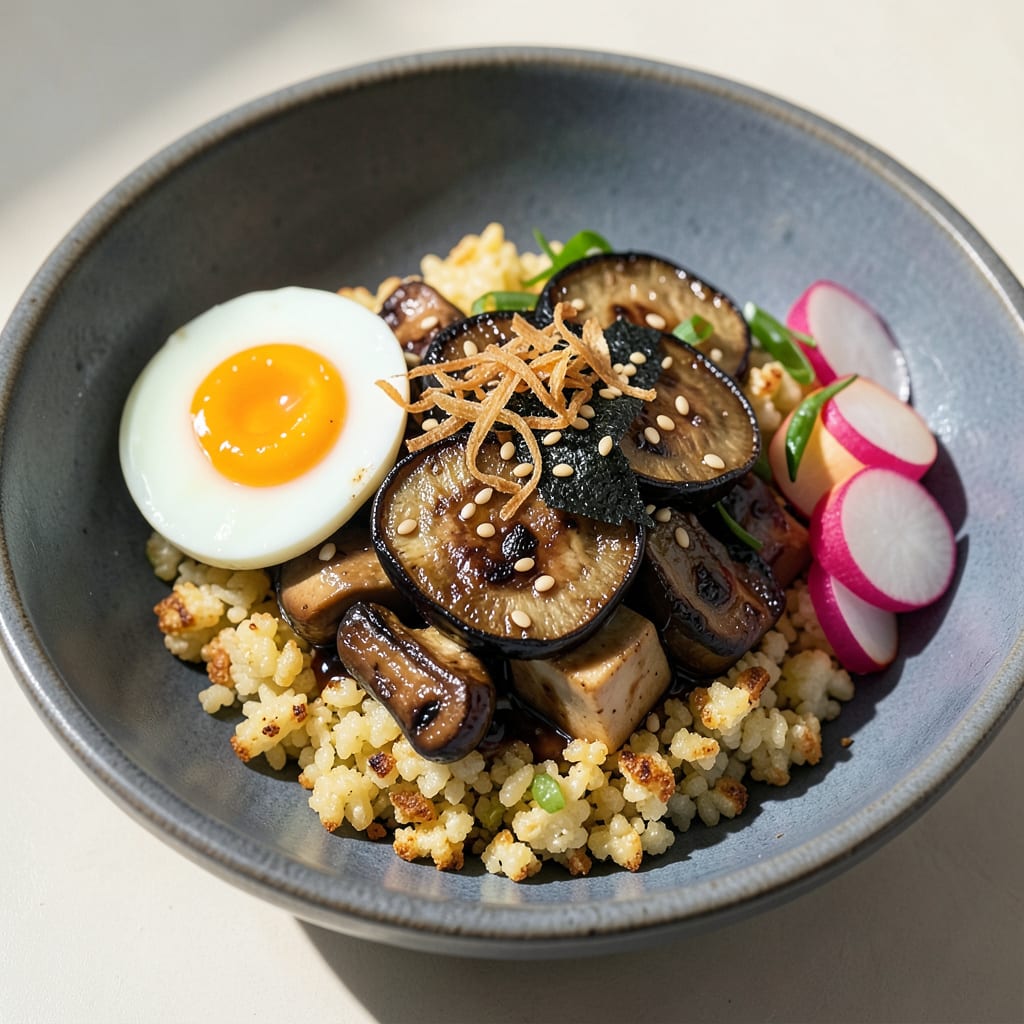
No, cooked rice should never be left out overnight. Bacteria like Bacillus cereus thrive at room temperature, multiplying rapidly and potentially causing food poisoning within 2 hours of cooking.
This isn’t just about spoilage—it’s about invisible dangers that develop surprisingly fast. 🔥 The spores of Bacillus cereus actually survive cooking, then multiply aggressively when rice sits between 40°F-140°F. What makes this particularly tricky is that reheating won’t destroy the heat-stable toxins these bacteria produce. I’ve seen too many cases where people assume “if it smells fine, it’s safe”—but with rice, that rule doesn’t apply.
The risk escalates because rice’s starchy structure creates the perfect breeding ground for bacteria. ✨ Unlike denser leftovers, rice’s porous grains trap moisture and warmth, accelerating bacterial growth. Even in my professional kitchen, we treat cooked rice with the same urgency as raw meat—immediate cooling in shallow containers, then straight to the fridge within that critical 2-hour window.
💡 In This Article
- Why Leaving Rice Out Overnight Creates Food Safety Risks
- Safe Rice Storage and Reheating Guidelines
Why Leaving Rice Out Overnight Creates Food Safety Risks
The danger starts with Bacillus cereus spores that naturally exist in uncooked rice. These spores survive the cooking process, then activate when rice cools to room temperature. Between 40°F-140°F—what food scientists call the “danger zone”—these bacteria double in number every 20 minutes.
Within just 2 hours, a single spore can multiply into millions of toxin-producing bacteria. 🔥
What makes rice particularly risky is its high moisture content and neutral pH—ideal conditions for bacterial growth. Unlike denser foods, rice’s porous structure traps heat and moisture, creating microenvironments where bacteria thrive. The toxins produced by Bacillus cereus are heat-stable, meaning reheating to 165°F won’t destroy them.
This is why rice left out overnight can cause vomiting or diarrhea within 6-15 hours of consumption, even if properly reheated.
Compare this to other leftovers: a thick stew might cool more slowly but its acidity (from tomatoes or wine) inhibits bacterial growth. Rice lacks these natural preservatives. I’ve seen cases where rice left at 70°F for 5 hours contained over 100,000 bacteria per gram—enough to cause illness.
The absence of visible mold or off odors doesn’t indicate safety; these toxins are odorless and tasteless. ✨
The risk increases with larger quantities. A 3-cup batch of rice cools much slower than 1 cup, spending more time in the danger zone. This is why restaurants use blast chillers to rapidly drop rice temperature from 140°F to 40°F within 2 hours.
At home, dividing rice into shallow containers and placing them in an ice bath can mimic this process effectively.
Temperature fluctuations make matters worse. If you leave rice on the counter overnight where temperatures might drop to 65°F then rise to 75°F with morning sunlight, you’ve created perfect conditions for bacterial blooming. The spores become more resistant with each temperature cycle, making the rice increasingly dangerous over time. 💫
Here’s the critical distinction: unlike most foodborne illnesses that take 24-48 hours to manifest, Bacillus cereus toxins act fast. Symptoms typically appear within 6-15 hours—often when you’re asleep. This rapid onset is why emergency rooms see spikes in food poisoning cases the morning after large gatherings where rice dishes were served.
The solution isn’t complicated but requires urgency. Cool rice immediately by spreading it in thin layers (no deeper than 2 inches) in clean, shallow containers. Then refrigerate within that critical 2-hour window. This disrupts the bacterial growth cycle before it reaches dangerous levels. 🌟

Trained in classic French technique but raised on slow-cooked ribs and spicy rubs, she blends culinary skill with smoke and soul.
- Recipe for Boneless Pork Chops in Cast Iron Skillet: Sear and Baste to Juicy Perfection - October 3, 2026
- Recipe for Boneless Cross Rib Roast: Slow-Roasted Beef with Herb Crust - October 3, 2026
- Hamburgers in Sauce Recipe Crock Pot: Slow-Cooked Savory Delight - October 3, 2026