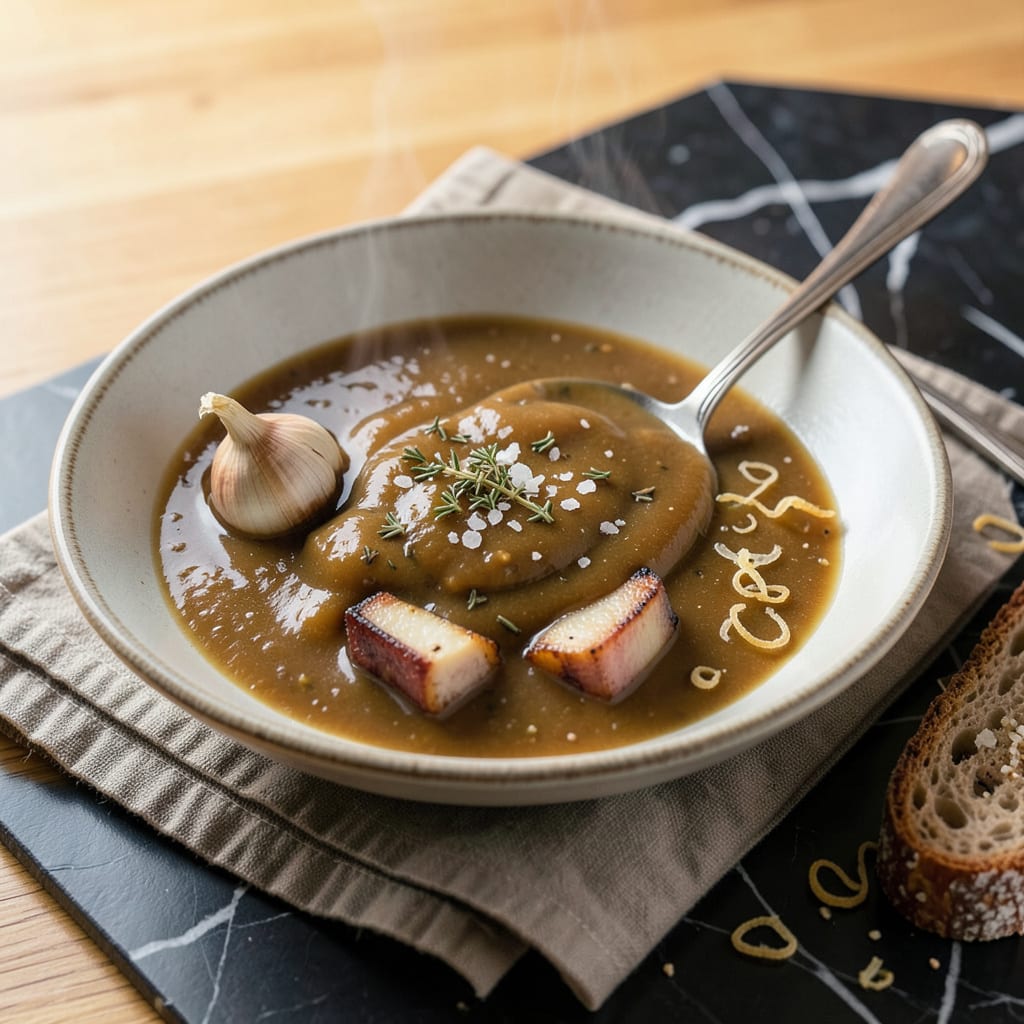
Yes, bone broth makes excellent gravy—its rich, gelatinous texture and deep umami flavor create a velvety, savory base. Simply reduce it with a roux or cornstarch slurry for thickness, then season to taste.
I’ve found bone broth transforms gravy from ordinary to extraordinary because of its natural collagen content. 🔥 When reduced, this collagen melts into gelatin, giving your gravy that luxurious body that clings perfectly to mashed potatoes or roasted meats. The long simmering process extracts minerals and amino acids that standard stock just can’t match—think of it as flavor insurance for your dish. My pro tip: use homemade bone broth when possible, as store-bought versions often lack the same depth and body.
💡 In This Article
- Why Bone Broth Elevates Gravy Flavor and Texture
- Step-by-Step Bone Broth Gravy Recipe with Variations
Why Bone Broth Elevates Gravy Flavor and Texture
The magic happens during bone broth’s long simmer—typically 12-24 hours—when collagen in bones and connective tissue breaks down into gelatin. This gelatin gives broth its signature jelly-like consistency when cooled, which transforms into a silky, coating texture when heated for gravy.
Unlike regular stock that might use just meat, bone broth extracts minerals like calcium and phosphorus that enhance mouthfeel. 🔥
What really sets bone broth gravy apart is its amino acid profile. The slow cooking releases glycine, proline, and glutamine—compounds that create a natural umami boost. Compare this to pan drippings, which rely on caramelized meat juices alone.
Bone broth delivers 3-5 times more gelatin than standard chicken stock, meaning your gravy will have that restaurant-quality body without needing excessive flour or cornstarch.
The natural sodium content in bone broth (about 50-100mg per cup in homemade versions) provides a balanced salt foundation. This lets other flavors shine while reducing the need for additional seasoning.
I’ve noticed homemade bone broth gravy requires about 30% less salt than gravy made from water or basic stock—critical when you’re layering flavors in complex dishes.
Temperature matters when working with bone broth’s gelatin. At room temperature, it’s firm enough to hold a spoon upright. When heated to 140-160°F, it melts into a liquid that coats the back of a spoon.
This thermal behavior means your gravy will thicken beautifully as it cools slightly on the plate, creating that perfect “clinging” effect we all love. ✨
Here’s what most home cooks miss: the Maillard reaction products from roasted bones add caramelized depth that water-based gravies lack. These compounds form during the initial browning stage of bone broth making, giving your final gravy subtle toasty, meaty notes.
It’s why bone broth gravy pairs so well with everything from turkey to beef—it bridges the flavor gap between the protein and sides.
Pro comparison: While pan drippings offer intense meat flavor, they often lack body. Bone broth provides the structural backbone, allowing you to stretch those precious drippings further. My go-to ratio is 3 parts bone broth to 1 part reduced pan drippings for the perfect balance of richness and complexity. 💫

Trained in classic French technique but raised on slow-cooked ribs and spicy rubs, she blends culinary skill with smoke and soul.
- Recipe for Boneless Pork Chops in Cast Iron Skillet: Sear and Baste to Juicy Perfection - October 3, 2026
- Recipe for Boneless Cross Rib Roast: Slow-Roasted Beef with Herb Crust - October 3, 2026
- Hamburgers in Sauce Recipe Crock Pot: Slow-Cooked Savory Delight - October 3, 2026