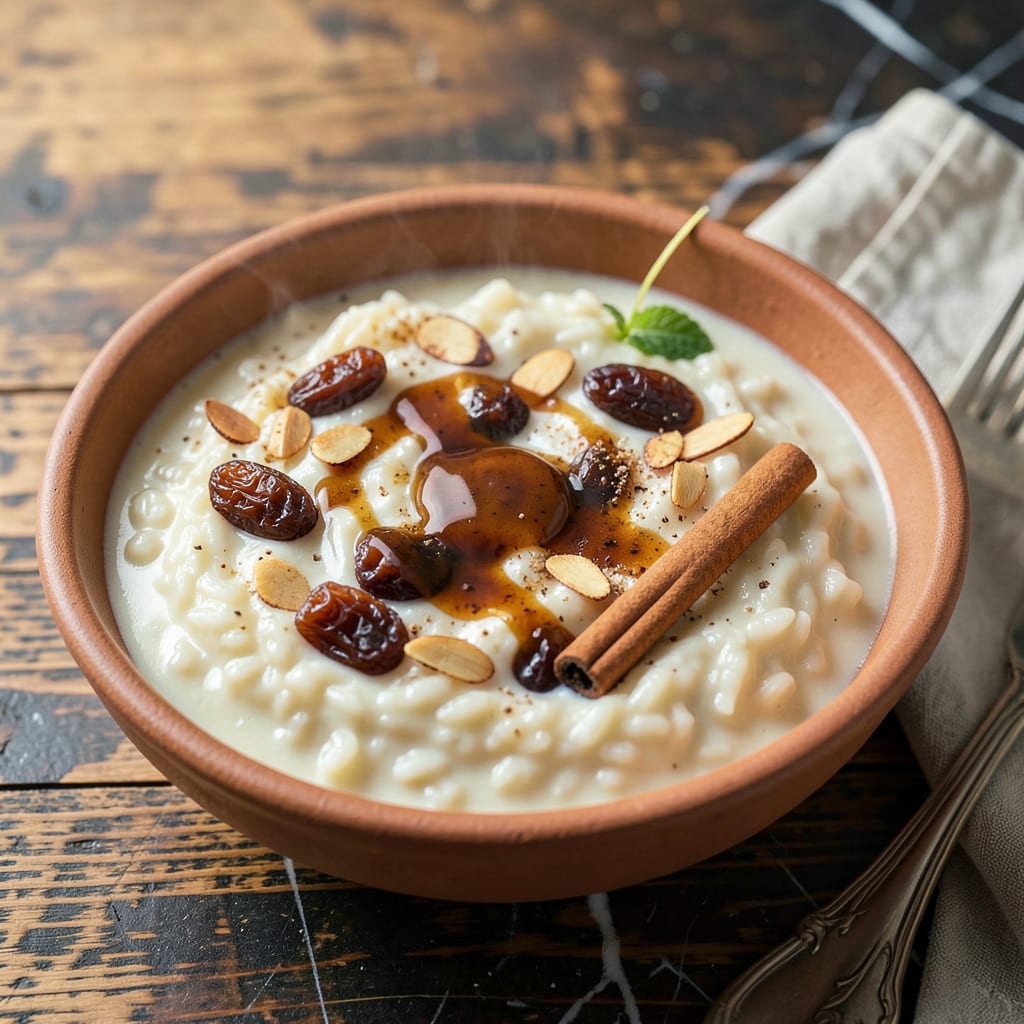
Yes, cooking rice in milk creates a creamy, dessert-like dish similar to rice pudding. Use a 1:2 rice-to-milk ratio, simmer on low heat, and stir frequently to prevent sticking. Sweetener and spices like cinnamon or vanilla enhance the flavor.
This technique transforms plain rice into something magical by leveraging milk’s natural sugars and fats. 🔥 As the starches break down during slow cooking, they absorb the milk’s richness, creating that signature velvety texture. I’ve found that whole milk works best for maximum creaminess, though coconut milk adds an exotic twist for dairy-free versions. The key is patience—rushing the process risks scorching or uneven consistency.
💡 In This Article
- How Milk Transforms Rice Into a Dessert
- Best Milk-to-Rice Ratios for Perfect Creamy Rice
How Milk Transforms Rice Into a Dessert
The magic happens when rice starches meet milk proteins. Unlike water, milk contains casein proteins that interact with rice starches during heating, creating a gel-like network. This process, called starch gelatinization, occurs at 140-180°F—lower than water’s boiling point.
The milk’s natural sugars caramelize slightly, adding depth to the flavor while the fats coat each rice grain for that signature silkiness.
Fat content dramatically changes the outcome. Whole milk (3.25% fat) produces the creamiest results because its fat globules emulsify with the starches. Skim milk (0.1% fat) creates a thinner, less luxurious texture.
Plant-based milks behave differently: coconut milk’s 24% fat content makes it naturally thicker, while almond milk (1% fat) often requires added starches for proper body. The protein structure in dairy milk also provides better heat stability, preventing separation during long cooking.
Slow cooking prevents two major problems: scorching and curdling. Milk proteins begin denaturing at 145°F, which is why gentle heat is crucial. A heavy-bottomed pot distributes heat evenly, while constant stirring prevents protein clusters from forming on the bottom. I’ve found that 20-30 minutes of simmering breaks down starches completely without overcooking the rice grains.
The visual cue? When the mixture coats the back of a spoon like heavy cream.
The texture differences become obvious when comparing versions. Dairy milk creates microscopic fat globules that reflect light, giving that classic creamy sheen. Coconut milk versions appear more opaque due to its saturated fats, while almond milk often looks thinner unless thickened.
Temperature control is everything—too hot and the milk proteins seize up; too cool and the starches won’t fully absorb. That’s why medium-low heat (about 275°F) is the sweet spot for perfect results. ✨
What most people don’t realize is that the rice variety matters too. Short-grain rice (like Arborio) releases more starch, creating thicker pudding, while basmati holds its shape better for a lighter texture. The starch granules in short-grain rice are more easily damaged during cooking, releasing more amylose and amylopectin into the milk.
This is why risotto rice works so well—it’s literally bred to release starch for creaminess.
Here’s the sensory transformation timeline: At 5 minutes, you’ll smell the milk sugars caramelizing. By 15 minutes, the mixture thickens noticeably as starches absorb liquid. At 25 minutes, the rice grains become translucent around the edges—a sign the starches have fully gelatinized.
The final texture should be thick enough to mound slightly when spooned, yet still pour slowly like lava. That perfect balance comes from understanding how milk’s components interact with rice at each stage. 🌟

Trained in classic French technique but raised on slow-cooked ribs and spicy rubs, she blends culinary skill with smoke and soul.
- Recipe for Boneless Pork Chops in Cast Iron Skillet: Sear and Baste to Juicy Perfection - October 3, 2026
- Recipe for Boneless Cross Rib Roast: Slow-Roasted Beef with Herb Crust - October 3, 2026
- Hamburgers in Sauce Recipe Crock Pot: Slow-Cooked Savory Delight - October 3, 2026