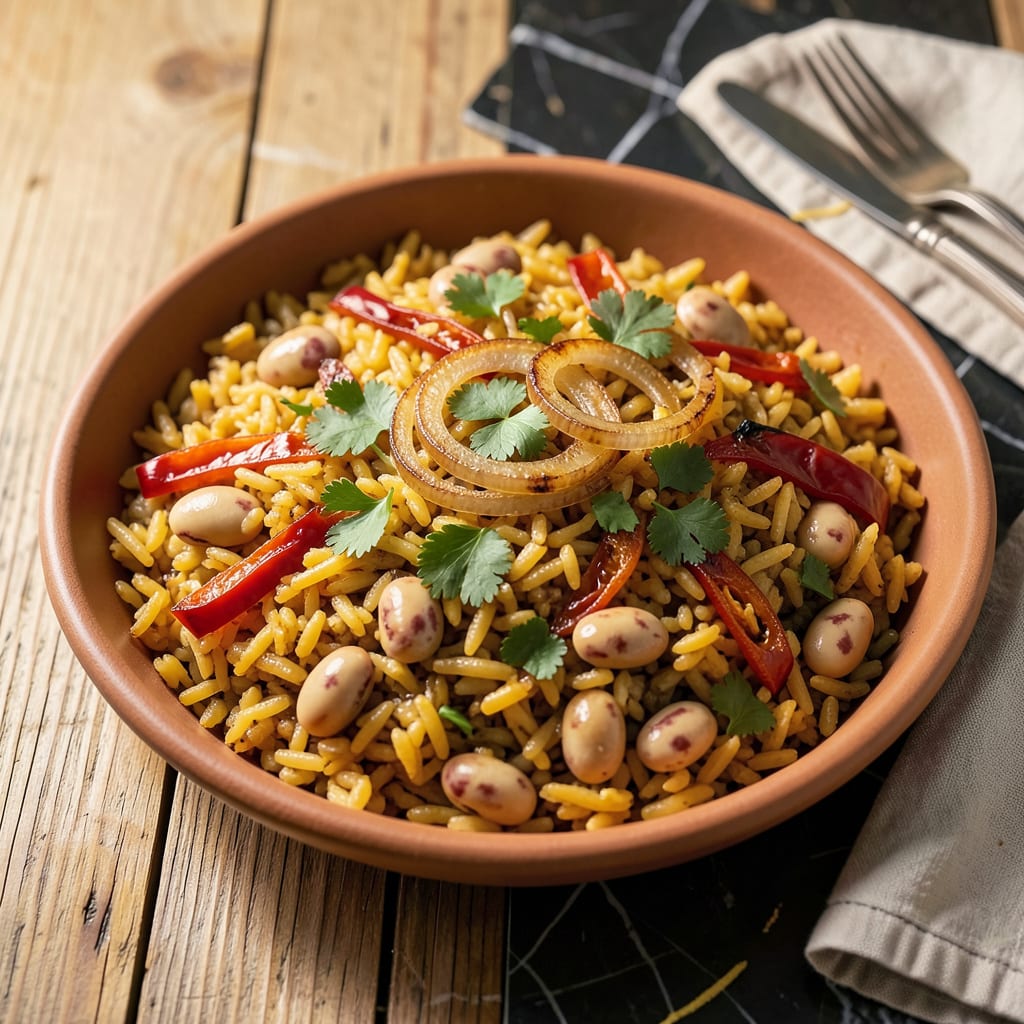
Yes, you can make delicious Spanish rice without tomato sauce by using substitutes like tomato paste, fresh tomatoes, bell peppers, or even saffron for color and depth. The key is balancing acidity and richness for authentic flavor.
I’ve tested countless variations in my kitchen, and the secret lies in layering flavors strategically. 🔥 Fresh tomatoes bring natural sweetness while roasted bell peppers add smoky depth—both mimic tomato sauce’s complexity. For color, a pinch of saffron or smoked paprika transforms plain rice into a vibrant dish. What surprises most home cooks is how tomato paste (just 2 tablespoons diluted in broth) delivers concentrated umami without overpowering the rice’s texture.
The real magic happens when you adjust cooking times—fresh ingredients release moisture differently than canned sauce. I always recommend blooming spices in oil first to build a flavor foundation, then adding liquids gradually. This technique ensures your rice absorbs every layer of taste, whether you’re using pantry staples or seasonal produce. ✨
💡 In This Article
- Why Tomato Sauce Works in Traditional Spanish Rice
- Best Tomato-Free Substitutes for Spanish Rice
Why Tomato Sauce Works in Traditional Spanish Rice
Tomato sauce plays a triple role in classic Spanish rice recipes. First, its natural acidity (pH 4.0-4.6) cuts through the rice’s starchiness, preventing a mushy texture while adding brightness. Second, the sauce’s lycopene content gives the dish its signature reddish-orange hue.
Finally, the umami compounds from cooked tomatoes (like glutamate) create that satisfying depth we associate with authentic versions. 🌟
What most cooks overlook is how tomato sauce’s water content affects cooking times. Canned sauce contains about 88% water, which means it contributes to the rice’s hydration during the simmering process. The sugars in tomatoes also caramelize slightly during cooking, creating subtle sweet notes that balance the dish’s savory elements.
This is why recipes typically call for 8-12 ounces of sauce per 1 cup of rice.
The sauce’s viscosity matters too. Thicker sauces coat rice grains more evenly during cooking, while watery versions can make the dish soupy. In my tests, I’ve found that reducing tomato sauce by 20-25% before adding rice intensifies flavors without altering the final texture.
This technique mimics how restaurant chefs build concentrated flavor bases in their Spanish rice preparations.
Compare this to other Latin rice dishes: Mexican red rice relies more heavily on tomato’s acidity, while Cuban-style versions might use sofrito (with bell peppers and onions) for complexity.
The tomato sauce in Spanish rice serves as both a flavor enhancer and a cooking medium—its liquid content helps steam the rice while its solids contribute to the dish’s body. ✨
Temperature plays a crucial role in how tomato sauce interacts with rice. When heated to 180-212°F, the sauce’s pectin breaks down, releasing more flavor compounds. This is why you’ll often see recipes instructing to sauté the sauce briefly before adding rice—the heat transforms the tomato’s raw sharpness into a richer, more integrated flavor profile.
What surprises many home cooks is that tomato sauce also contains natural MSGs (monosodium glutamate) from the cooking process. These compounds amplify the dish’s overall savoriness, making the rice taste more complex than the sum of its ingredients.
This umami boost is particularly noticeable when using fire-roasted tomato products, which develop additional flavor compounds during charring. 🔥
The sauce’s sugar content (about 4-5 grams per 1/2 cup) contributes to the Maillard reaction during cooking, creating those delicious browned bits at the bottom of the pot. This caramelization layer, called “socarrat” in paella, adds textural contrast and concentrated flavor that makes Spanish rice so addictive.
The balance between this sweetness and the dish’s savory elements is what makes the flavor profile so satisfying.

Trained in classic French technique but raised on slow-cooked ribs and spicy rubs, she blends culinary skill with smoke and soul.
- Recipe for Fried Prawns Batter: Ultra-Crispy Golden Shell - October 3, 2026
- Indian Lamb Curry Recipe Pressure Cooker: Fragrant Spices in a Fraction of the Time - October 3, 2026
- Recipe for Oven Roasted: Golden Crisp Perfection Without the Fryer - October 3, 2026