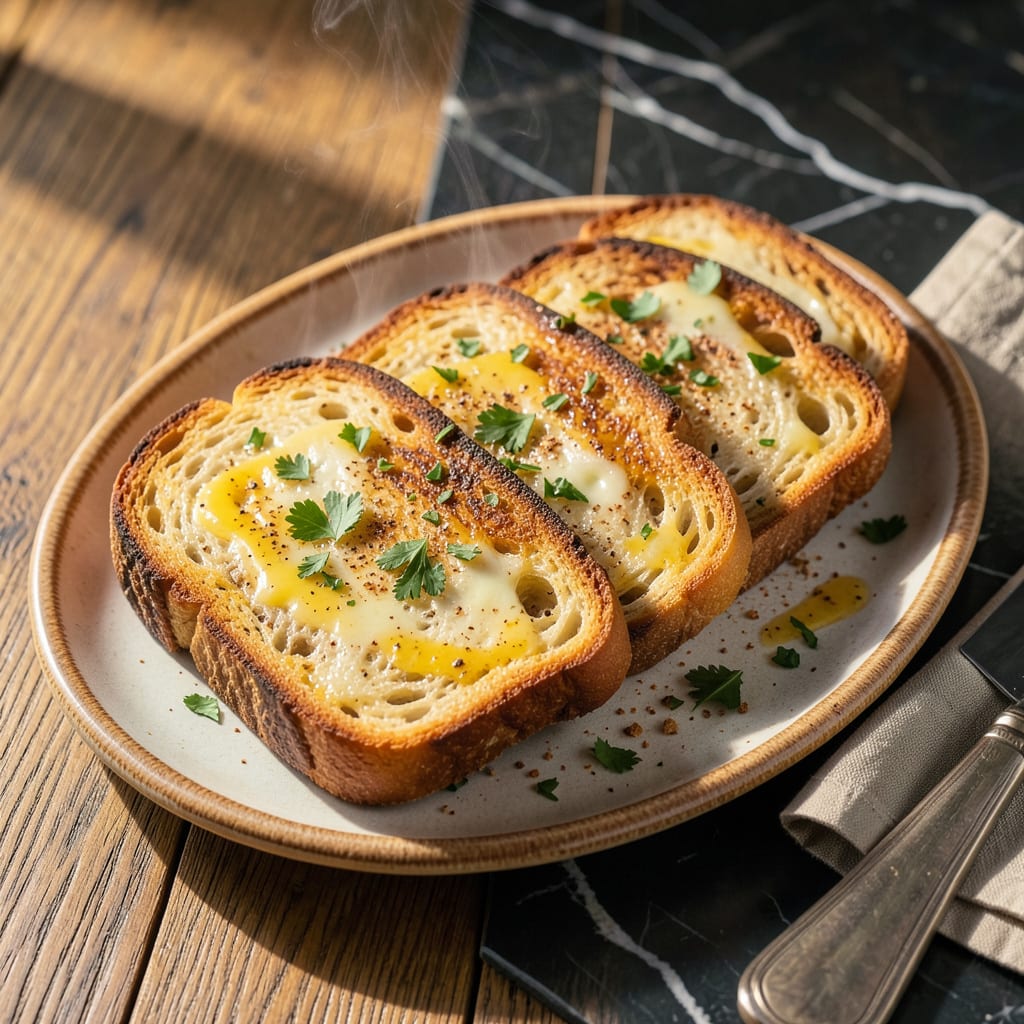
Yes, you can microwave Texas toast, but it won’t get as crispy as oven-baked. Use 15-20 seconds per slice on high, then check for warmth and softness. For best results, finish in a toaster or air fryer for texture.
I’ve tested this method countless times in my own kitchen, and here’s what I’ve learned: microwaves excel at warming the bread quickly but struggle to recreate that signature golden crunch. 🔥 The butter and garlic flavors remain intact, but the texture leans softer—ideal if you’re short on time but still want that rich, buttery taste. For those craving crispiness, a quick 30-second toast afterward transforms the results completely.
What’s fascinating is how the microwave’s even heat distribution prevents the caramelization that happens in an oven or toaster. This makes it perfect for situations where you’re reheating leftovers or need a fast side dish without turning on the oven. Just remember: always start with shorter bursts to avoid over-softening the bread.
💡 In This Article
- How Microwaving Affects Texas Toast Texture and Flavor
- Best Microwave Techniques for Texas Toast Without Sogginess
How Microwaving Affects Texas Toast Texture and Flavor
Microwaves heat food by exciting water molecules, which means Texas toast warms from the inside out rather than developing a crispy exterior. The butter and garlic mixture soaks into the bread during microwaving, creating a soft, moist texture that’s perfect for absorbing flavors.
Unlike an oven’s dry heat, microwaves don’t evaporate moisture quickly—so you get warmth without the signature crunch.
The key difference lies in heat distribution. Ovens and toasters use radiant heat (350-400°F) to toast the bread’s surface, while microwaves use electromagnetic waves that penetrate the entire slice. This means the interior warms faster than the exterior, preventing the Maillard reaction (the browning process that creates crispiness). 🔥 The result?
A tender, buttery bite that’s ideal for dipping or pairing with saucy dishes.
Butter plays a crucial role here. In a microwave, it melts evenly into the bread, enhancing richness without burning. I’ve found that pre-buttered Texas toast microwaves more successfully than dry slices, as the fat helps distribute heat. The trade-off?
You’ll lose the satisfying snap of oven-baked toast—but gain a pillowy softness that’s perfect for soaking up gravies or stews.
Flavor-wise, microwaving preserves the garlic and herb notes beautifully. Since there’s no risk of burning (a common issue with toasting), the aromatic compounds remain intact. For best results, use high power in 10-15 second bursts, checking between intervals. This prevents the bread from becoming rubbery while ensuring even warming.
Here’s what’s happening at the molecular level: The starches in the bread absorb the melted butter, creating a gel-like consistency that feels luxurious on the palate. Meanwhile, the microwave’s gentle heat prevents the proteins from tightening up (which would make the toast tough).
It’s a completely different experience from oven-baking—but one that has its own delicious merits.
For those who love texture contrast, try this pro trick: Microwave for 15 seconds, then finish with a 30-second toast. This gives you the best of both worlds—warm, buttery interior with a light crisp exterior. The microwave does the heavy lifting of warming, while the toaster adds just enough crunch to satisfy that textural craving.
✨

Trained in classic French technique but raised on slow-cooked ribs and spicy rubs, she blends culinary skill with smoke and soul.
- Recipe for Boneless Pork Chops in Cast Iron Skillet: Sear and Baste to Juicy Perfection - October 3, 2026
- Recipe for Boneless Cross Rib Roast: Slow-Roasted Beef with Herb Crust - October 3, 2026
- Hamburgers in Sauce Recipe Crock Pot: Slow-Cooked Savory Delight - October 3, 2026