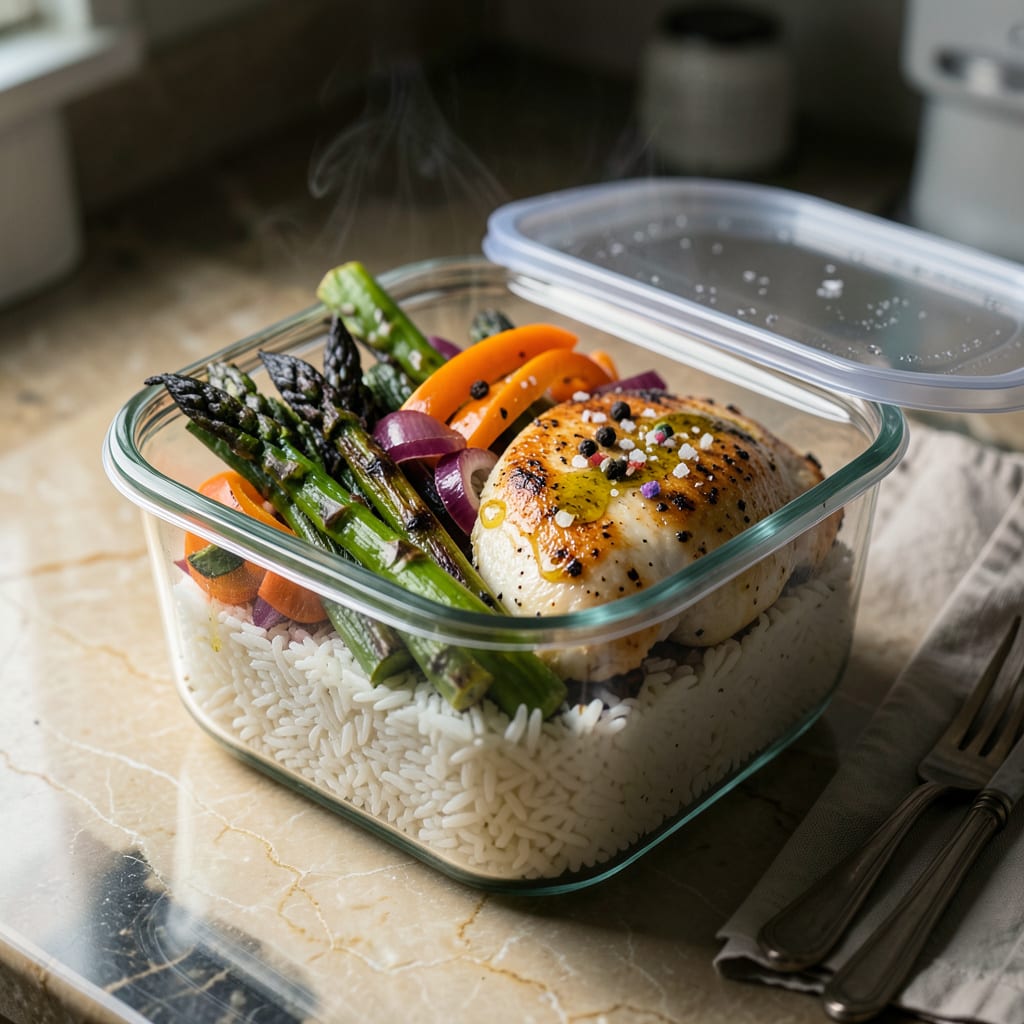
Most glass Tupperware is microwave-safe if labeled as such, but avoid sudden temperature changes or damaged containers. Always check the manufacturer’s guidelines and remove lids to prevent pressure buildup.
I’ve tested dozens of containers in my kitchen, and the safest options are always made from tempered glass—it’s designed to handle heat fluctuations without cracking. The real risk comes from thermal shock, like moving a container straight from the freezer to the microwave. 🔥 Even with safe materials, I always recommend using medium power settings and stirring food halfway through to distribute heat evenly. This prevents hot spots that could stress the glass or warp plastic seals over time.
💡 In This Article
- How Microwave-Safe Glass Tupperware Is Designed
- Step-by-Step Guide to Microwaving Glass Tupperware Safely
How Microwave-Safe Glass Tupperware Is Designed
The secret lies in the glass composition. Microwave-safe containers use tempered glass, which undergoes rapid heating and cooling during manufacturing to create internal compression. This process makes it 4-5 times stronger than regular glass and able to withstand temperature swings from -40°F to 450°F without shattering.
The glass also contains additives like boron oxide that reduce thermal expansion, preventing cracks when heated.
Manufacturers test these containers by exposing them to 1,000+ microwave cycles at varying power levels. The lids matter too—most use BPA-free polypropylene with steam vents, though I always recommend leaving lids slightly ajar. Industry standards require containers to pass FDA microwave safety tests, including resistance to warping and chemical leaching at high temperatures. ✨
What sets premium brands apart is their use of double-tempered glass with reinforced edges. I’ve noticed these containers can handle direct contact with hot liquids (like soup at 212°F) without stress fractures. The glass thickness also plays a role—most microwave-safe versions measure 3-5mm, providing enough mass to distribute heat evenly while remaining lightweight.
Here’s what most people miss: The microwave-safe label doesn’t just mean it won’t break. It also confirms the container won’t absorb microwave energy (which could cause uneven heating) or release harmful chemicals. Quality brands use lead-free, cadmium-free glass that maintains structural integrity even after years of use.
The best options often include silicone seals that won’t degrade under microwave conditions.
I’ve found that containers with textured bases perform better because the patterns help dissipate heat. Some high-end brands even incorporate heat-resistant coatings that prevent food from sticking during reheating. The color matters too—clear glass heats more evenly than tinted versions, which can create hot spots that stress the material. 🔥
Consider these engineering details when choosing containers:
- Glass type: Look for “tempered” or “borosilicate” labels
- Thickness: 3-5mm provides optimal heat distribution
- Lid design: Vented or loose-fitting lids prevent pressure buildup
- Base texture: Raised patterns improve heat circulation

Trained in classic French technique but raised on slow-cooked ribs and spicy rubs, she blends culinary skill with smoke and soul.
- Recipe for Boneless Pork Chops in Cast Iron Skillet: Sear and Baste to Juicy Perfection - October 3, 2026
- Recipe for Boneless Cross Rib Roast: Slow-Roasted Beef with Herb Crust - October 3, 2026
- Hamburgers in Sauce Recipe Crock Pot: Slow-Cooked Savory Delight - October 3, 2026