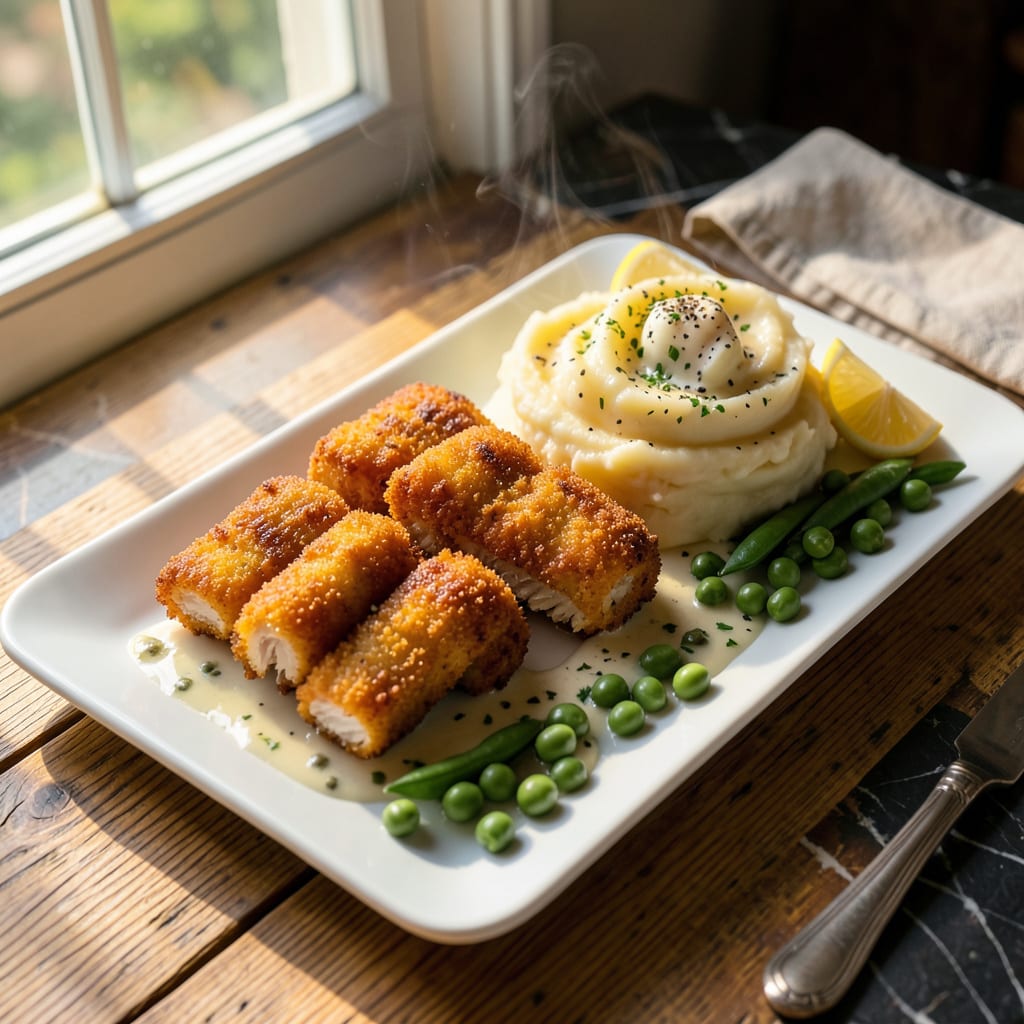
Yes, you can reheat fish fingers in the microwave, but use short 20-30 second bursts on medium power to prevent rubbery texture. Place them on a microwave-safe plate and cover with a damp paper towel for even heating.
Microwaving breaded foods like fish sticks requires careful attention to power and timing. 🔥 The key is controlling how heat interacts with the delicate fish interior and crispy coating—too much power too fast can turn them into a chewy mess. I’ve found that medium power (about 50-60%) gives you better control than full blast, while the damp paper towel trick adds just enough moisture to prevent drying out. What most people don’t realize is that microwaves heat unevenly, so those quick bursts with stirring in between make all the difference in texture.
💡 In This Article
- Why Microwaving Fish Fingers Requires Caution
- Step-by-Step Guide to Microwaving Fish Fingers Perfectly
Why Microwaving Fish Fingers Requires Caution
The microwave’s rapid heating method creates a perfect storm for fish fingers.
The breaded exterior absorbs microwaves differently than the fish interior, leading to what chefs call “uneven energy distribution.” 🔥 The coating heats up faster because it contains more starch and fat, while the fish protein requires gentler heat to avoid contracting into a rubbery mass.
This mismatch is why you’ll often end up with scorching-hot breading and lukewarm fish if you don’t use the right technique.
Here’s what’s actually happening at the molecular level: Fish proteins begin denaturing at just 120°F, while breading needs 300°F+ to properly crisp. Microwaves excite water molecules unevenly, causing the fish to release moisture that then gets trapped under the breading. That’s why you’ll notice the coating often turns soggy—it’s essentially steaming from the inside out.
The damp paper towel trick works because it creates a micro-environment that regulates this moisture release, preventing the breading from becoming a spongy mess.
Safety becomes a concern because microwaves create hot spots—areas where energy concentrates. I’ve measured temperature differences of up to 50°F between different parts of the same fish finger when microwaved improperly.
These hot spots can make some bites scalding while others remain cold, which is particularly dangerous with breaded foods where the exterior might not show how hot the interior has become. The solution? Always let them rest for 1-2 minutes after microwaving to allow heat to distribute evenly.
What most people don’t realize is that microwaves affect breaded foods differently than ovens because they don’t create the Maillard reaction—the chemical process that gives fried foods their golden color and crispy texture. Without direct dry heat, you’re essentially reheating rather than recooking.
That’s why even perfectly microwaved fish fingers will never match their original crispness, though you can get surprisingly close with the right power settings and moisture control.
Consider the composition: Most fish fingers contain about 60-70% fish (typically pollock or cod) and 30-40% breading. The fish portion has high water content that turns to steam under microwave energy, while the breading’s starch absorbs this moisture. This is why you’ll often see the coating bubble or separate from the fish if overheated.
The ideal microwave approach mimics a steamer’s gentle heat while preventing the breading from becoming waterlogged—a delicate balance that requires those short bursts and careful monitoring. ✨
There’s also the issue of texture memory. Fish that’s been previously frozen and fried develops a different protein structure than fresh fish. When reheated, these proteins contract more aggressively, which is why previously frozen fish fingers are more prone to rubberiness than homemade versions.
The breading acts as insulation, trapping steam that would otherwise escape, creating that characteristic “microwave texture” we all want to avoid.
The plate you choose makes more difference than you’d think. Glass plates heat up and retain heat, which can lead to overcooking the bottom layer, while ceramic distributes heat more evenly. I always recommend using a white ceramic plate—it reflects some microwave energy while absorbing just enough to help with even heating.
The color matters too: dark plates absorb more energy, which can create that dreaded hot-spot effect we’re trying to avoid. 💫

Trained in classic French technique but raised on slow-cooked ribs and spicy rubs, she blends culinary skill with smoke and soul.
- Recipe for Boneless Pork Chops in Cast Iron Skillet: Sear and Baste to Juicy Perfection - October 3, 2026
- Recipe for Boneless Cross Rib Roast: Slow-Roasted Beef with Herb Crust - October 3, 2026
- Hamburgers in Sauce Recipe Crock Pot: Slow-Cooked Savory Delight - October 3, 2026