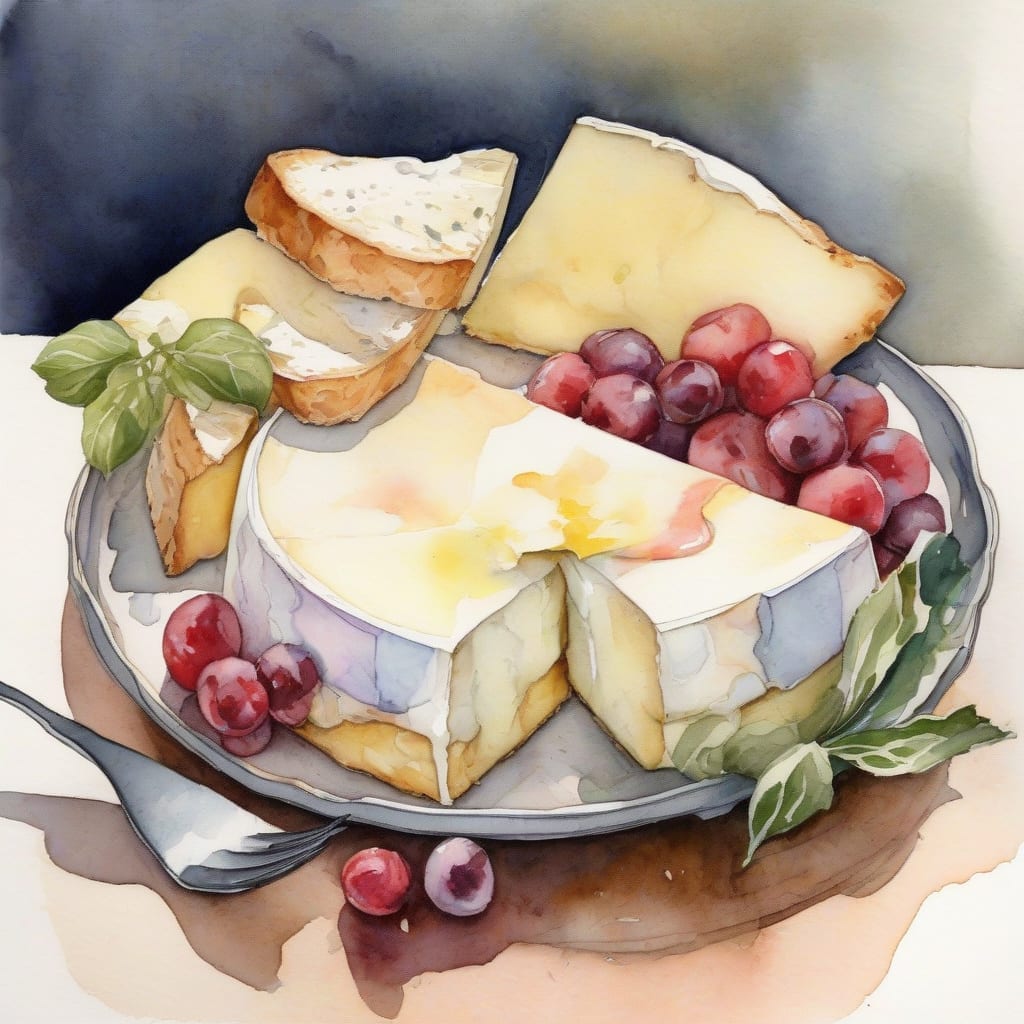
Yes, you can serve brie cold, but it’s typically served softened or at room temperature to enhance its creamy texture and flavor profile.
Serving brie at different temperatures can significantly impact its texture and flavor. When chilled, brie’s texture becomes firmer and its flavors more subtle. In contrast, bringing it to room temperature or softening it slightly can reveal its full, creamy potential 🔥.
This transformation occurs because the fats in brie begin to soften and release their flavors as the temperature rises. For the best experience, consider your gathering’s style: for a more elegant presentation, serve chilled; for a richer taste, let it soften slightly.
Understanding Brie Cheese Serving Temperatures
The temperature at which you serve brie significantly affects its texture and flavor profile. When chilled, brie’s texture becomes firmer, and its flavors more subtle. As it warms to room temperature (around 68-72°F), the fats begin to soften, releasing a richer, more complex flavor profile ✨. This transformation occurs because the fatty acids in brie start to melt, enhancing its natural creaminess.
The science behind cheese softening involves the gradual melting of fats and the breakdown of proteins. Brie contains a high percentage of fat (around 50-60% on a dry basis), which contributes to its creamy texture when softened. As the cheese approaches room temperature, the fat molecules gain kinetic energy, becoming more fluid and aromatic. This process is reversible, meaning that if you chill the softened brie again, it will firm up, though repeated temperature cycling can affect its texture.
Traditionally, brie is served at room temperature in French cuisine, allowing its full flavor to be appreciated. For a gathering, consider removing brie from the refrigerator about 30-45 minutes before serving to allow it to soften slightly. If you’re serving a larger group, you can place the brie in a warm (not hot) oven (200°F) for a few minutes to achieve the same effect. Be cautious not to overheat, as this can cause the cheese to become too runny 🔥.
For special presentations, serving brie cold can be advantageous, particularly when paired with fruit or charcuterie. The firmer texture holds its shape better on a platter, making it easier to slice and arrange. Whether you choose to serve it cold or softened, brie remains a versatile and delicious addition to any gathering.

Trained in classic French technique but raised on slow-cooked ribs and spicy rubs, she blends culinary skill with smoke and soul.
- Recipe for Boneless Pork Chops in Cast Iron Skillet: Sear and Baste to Juicy Perfection - October 3, 2026
- Recipe for Boneless Cross Rib Roast: Slow-Roasted Beef with Herb Crust - October 3, 2026
- Hamburgers in Sauce Recipe Crock Pot: Slow-Cooked Savory Delight - October 3, 2026