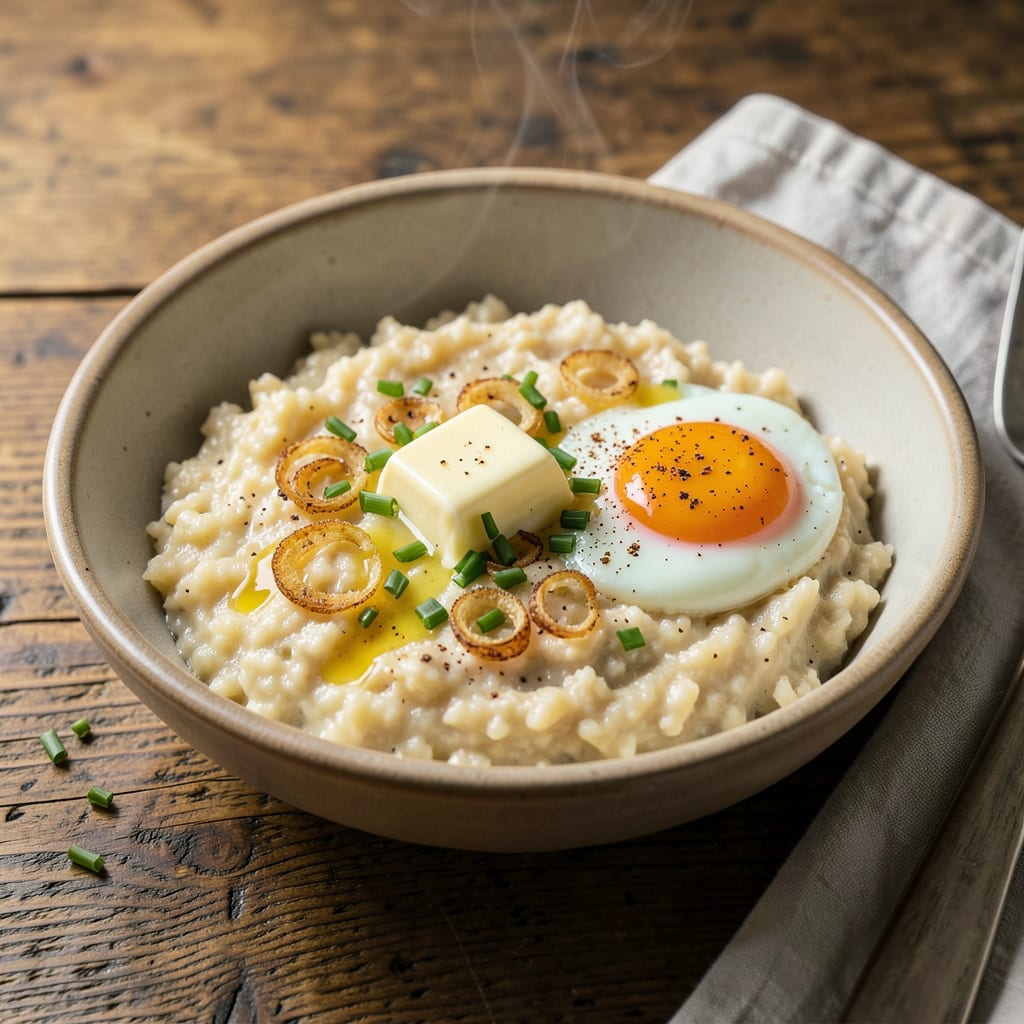
Yes, you can use cornmeal to make grits, but the texture will differ from traditional stone-ground grits. Fine or medium-ground cornmeal works best for a creamier result, while coarse cornmeal mimics classic grits more closely.
I’ve experimented with this substitution countless times in my kitchen, and the key difference lies in how the grind interacts with liquid. 🔥 Fine cornmeal absorbs moisture faster, creating a smoother porridge-like consistency, while coarser grinds maintain more bite—similar to polenta. The milling process for traditional grits preserves the corn’s germ and hull, which gives them that signature rich, buttery flavor that cornmeal can’t fully replicate.
What surprises most people is how versatile this swap can be for different dishes. Creamy cornmeal grits shine in breakfast bowls with eggs and cheese, while the coarser version holds up beautifully in savory shrimp and grits recipes. Just remember to adjust your liquid ratios—cornmeal typically needs about 1 cup more liquid per cup of grain than traditional grits to reach the same creaminess.
💡 In This Article
- How Cornmeal Texture Affects Grits Quality
- Step-by-Step Guide to Cooking Grits with Cornmeal
How Cornmeal Texture Affects Grits Quality
The secret to grits’ signature texture lies in the milling process. Traditional stone-ground grits retain parts of the corn germ and hull, which creates that rich, buttery mouthfeel. Cornmeal, on the other hand, is typically degerminated and milled finer, which means it absorbs liquid differently.
Fine cornmeal (about 0.5mm particles) creates a smoother, porridge-like consistency, while coarse cornmeal (1-2mm particles) gives you more toothsome bite—closer to classic grits but still distinct.
What’s happening at the molecular level is fascinating. The smaller particles in fine cornmeal have more surface area, allowing them to hydrate and swell faster. This means you’ll need about 25% more liquid than with traditional grits to achieve the same creaminess.
Coarse cornmeal behaves more like polenta, requiring slower cooking (30-40 minutes) to fully soften while maintaining some texture. The starch release patterns differ too—cornmeal releases starch more quickly, which can lead to a thicker consistency faster.
I’ve found through testing that medium-grind cornmeal (around 0.8mm) strikes the best balance for grits. It gives you enough creaminess while maintaining some of that satisfying grainy texture. The trade-off is in flavor—since cornmeal lacks the germ and hull, you lose some of the natural sweetness and depth that makes traditional grits so special.
That’s why I always recommend adding a pat of butter or splash of heavy cream to compensate for what’s missing in the milling process.
Temperature control becomes extra important with cornmeal grits. Fine grinds can scorch easily at high heat, so I keep my burner at medium-low (about 275°F) and stir frequently. Coarse grinds are more forgiving but require patience—rushing them with high heat leads to uneven cooking and potential grittiness.
The ideal doneness shows when the mixture coats the back of a spoon but still has visible grain texture, similar to well-cooked risotto.
Here’s what most recipes don’t tell you: the protein content differs between cornmeal and traditional grits. Cornmeal typically has 8-10% protein compared to grits’ 6-8%, which affects how the starches bind. This is why cornmeal grits can sometimes separate or become gummy if overcooked. The solution?
Use a 4:1 liquid-to-cornmeal ratio for fine grinds and 5:1 for coarse, and consider finishing with a splash of cold liquid to stop the cooking process at just the right moment.
For those who love the classic Southern taste, I’ve had great success blending 70% coarse cornmeal with 30% fine. This hybrid approach gives you the creaminess of fine cornmeal with the texture of coarse, plus it cooks more evenly.
Just be prepared for a slightly longer cooking time (25-30 minutes) and more frequent stirring to prevent sticking. The result is worth it—a dish that’s about 85% as close to traditional grits as you can get with cornmeal.
The sensory difference becomes most apparent when serving. Traditional grits have a velvety richness that coats your tongue, while cornmeal versions tend to be lighter and slightly more granular. This actually makes cornmeal grits perfect for breakfast bowls where you want the toppings (like shrimp or cheese) to shine rather than compete with the base.
The texture contrast can be delightful when paired with crispy bacon or sautéed mushrooms, creating a more dynamic eating experience.

Trained in classic French technique but raised on slow-cooked ribs and spicy rubs, she blends culinary skill with smoke and soul.
- Recipe for Boneless Pork Chops in Cast Iron Skillet: Sear and Baste to Juicy Perfection - October 3, 2026
- Recipe for Boneless Cross Rib Roast: Slow-Roasted Beef with Herb Crust - October 3, 2026
- Hamburgers in Sauce Recipe Crock Pot: Slow-Cooked Savory Delight - October 3, 2026