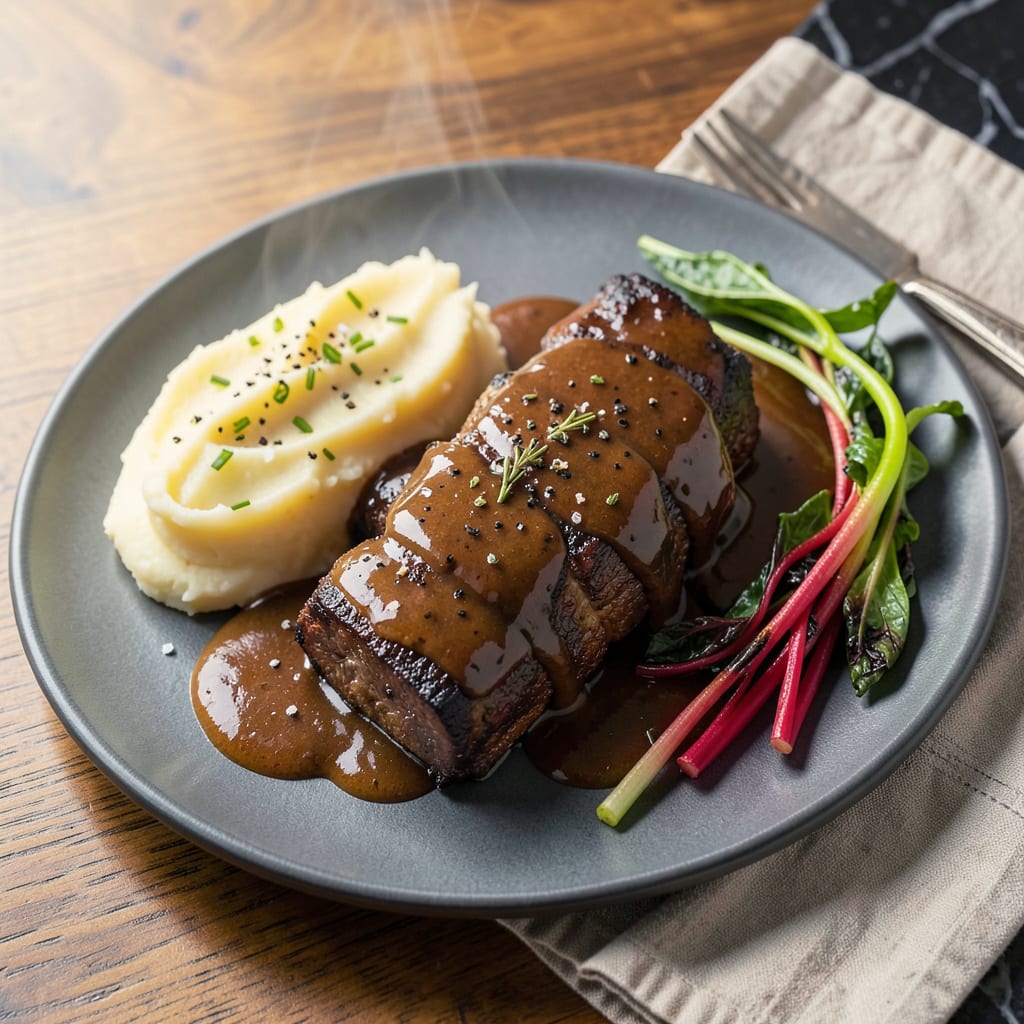
You can substitute gravy for stock in some recipes, but expect richer flavor and thicker texture. It works best in hearty dishes like stews or pot pies, but may overpower delicate soups or sauces. Reduce salt since gravy is already seasoned.
I’ve found this swap works beautifully when you want to add depth to comfort foods—think beef stews or chicken pot pies where that extra richness enhances the dish. The key difference lies in gravy’s fat content and thickening agents, which create a velvety mouthfeel that stock can’t replicate. 🔥 Just remember: gravy’s pre-seasoned nature means you’ll need to taste as you go, especially when working with recipes that originally call for unsalted stock.
What surprises many cooks is how gravy’s caramelized flavors from the roux base can transform a simple dish. This makes it ideal for braised meats where you want that extra layer of complexity, but it’s why I’d never recommend it for something like a delicate seafood bisque where the flavors should remain light and clean. ✨
💡 In This Article
- How Gravy Differs from Stock in Cooking Chemistry
- Best Recipes to Substitute Gravy for Stock (And Which to Avoid)
How Gravy Differs from Stock in Cooking Chemistry
The fundamental difference lies in their composition. Gravy contains 20-30% fat from butter, meat drippings, or oil, while stock is virtually fat-free. This fat content creates an emulsion that coats ingredients, delivering richer mouthfeel.
The thickening agents differ too: gravy uses a roux (flour+fat) or cornstarch, while stock relies on natural gelatin from collagen breakdown during simmering.
Salt concentration plays a huge role in substitution success. Store-bought gravy contains 600-800mg sodium per ¼ cup—about 4x more than homemade stock. The browning reactions differ as well: gravy develops Maillard reactions from cooked flour and meat proteins, creating nutty, toasty notes, while stock’s flavor comes from caramelization of vegetables and meat during simmering. 🔥
What most cooks overlook is how these differences affect cooking outcomes. Gravy’s starch content means it can’t reduce like stock—it will break and become gluey if boiled too long. The fat in gravy also has a lower smoke point (350°F vs stock’s 400°F+), which means high-heat applications like deglazing can cause burning.
The emulsified fat also prevents gravy from clarifying, making it unsuitable for consommé-style dishes.
Flavor intensity is another critical factor. Gravy’s concentrated meat essence (from drippings) and browning reactions create a flavor that’s 5-7x more potent than stock. This works beautifully in braised dishes where you want flavor penetration, but can overpower delicate ingredients like seafood or spring vegetables.
The fat also carries aromatic compounds differently—herbs and spices infuse more slowly in gravy than in water-based stock.
Consider the science of heat transfer too. Stock’s water content conducts heat evenly, while gravy’s fat creates hot spots that can lead to uneven cooking. This is why gravy works better in slow-cooked applications where temperature control is easier.
The starch in gravy also binds to proteins differently, which can affect meat tenderness—great for pot roasts but potentially toughening for quick-cooked proteins. ✨
Here’s what’s actually happening at the molecular level: gravy’s starch molecules swell when heated, creating a gel-like network that traps liquids. Stock’s gelatin, by contrast, forms a more fluid matrix. This structural difference explains why gravy-thickened sauces hold their shape when cooled, while stock-based sauces often separate.
The fat in gravy also coats taste buds, enhancing perception of umami while muting acidic or bitter notes.
The pH difference matters too. Gravy typically measures pH 6.0-6.5 (slightly acidic from meat and flour), while stock is more neutral at pH 6.8-7.2. This acidity affects how other ingredients behave—tomatoes may taste sharper in gravy-based dishes, while dairy products might curdle more easily. 💫

Trained in classic French technique but raised on slow-cooked ribs and spicy rubs, she blends culinary skill with smoke and soul.
- Recipe for Boneless Pork Chops in Cast Iron Skillet: Sear and Baste to Juicy Perfection - October 3, 2026
- Recipe for Boneless Cross Rib Roast: Slow-Roasted Beef with Herb Crust - October 3, 2026
- Hamburgers in Sauce Recipe Crock Pot: Slow-Cooked Savory Delight - October 3, 2026