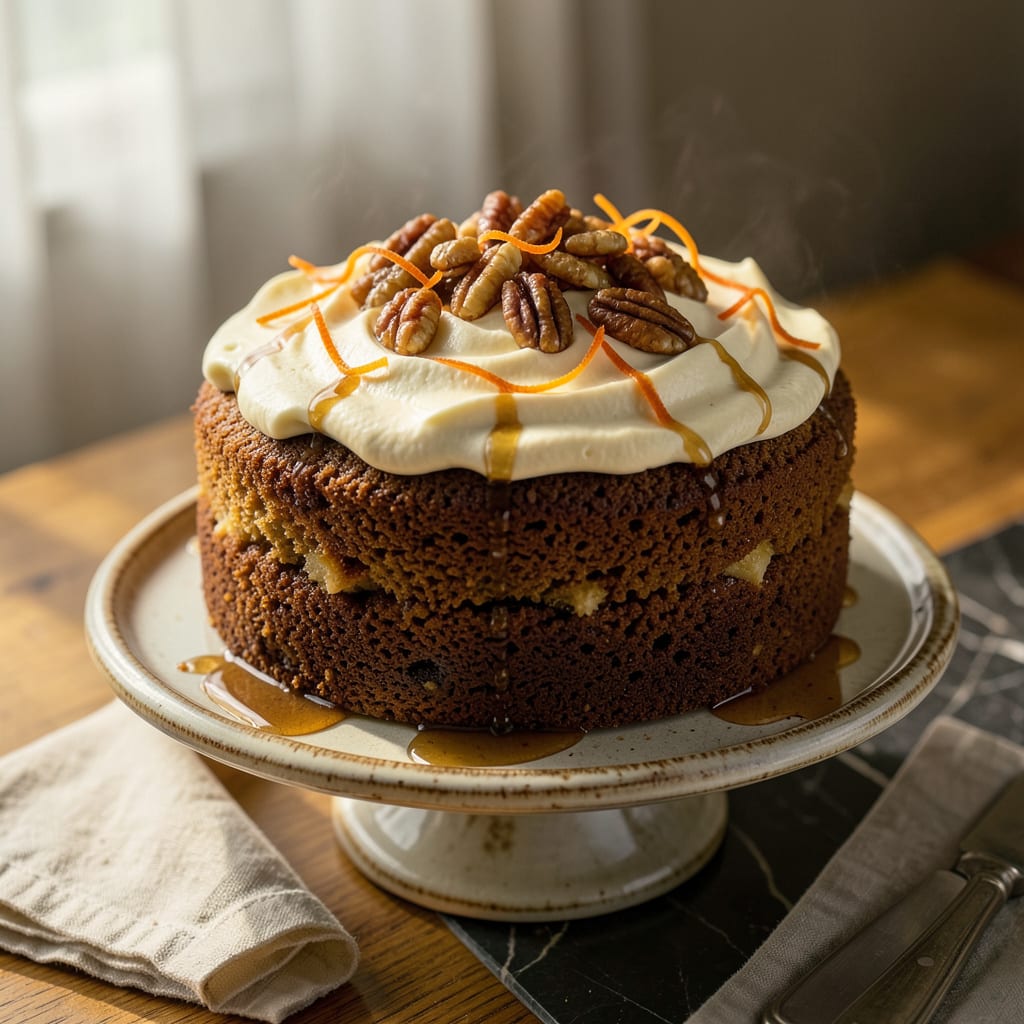
Yes, you can substitute maple syrup for molasses in a 1:1 ratio, but expect a milder, sweeter flavor with less depth. It works best in recipes where molasses isn’t the dominant flavor, like baked beans or gingerbread. Adjust spices if needed for richer taste.
This swap works because both sweeteners share a similar viscosity, but their flavor profiles diverge significantly. Molasses brings robust, bittersweet notes with hints of caramelized complexity—ideal for hearty dishes—while maple syrup offers a smoother, more delicate sweetness. 🌟 I’ve found that adding a pinch of blackstrap molasses (if you have it) or extra cinnamon/nutmeg can help bridge the flavor gap in recipes where depth matters. The key is balancing the substitution with your dish’s overall character—think of it as adjusting seasoning rather than just swapping ingredients.
💡 In This Article
- How Maple Syrup Differs from Molasses in Baking
- Best Recipes for Substituting Maple Syrup for Molasses
How Maple Syrup Differs from Molasses in Baking
The core difference lies in their production and sugar composition. Molasses is a byproduct of sugar refining, containing 50-60% sucrose plus complex compounds like phenolic acids that create its bold, bittersweet flavor. Maple syrup, however, is 60-70% sucrose with natural invert sugars that make it sweeter and more fluid.
The refining process for molasses also concentrates minerals like calcium and iron, giving it that distinctive mineral tang absent in maple syrup. 🔥
Acidity levels play a huge role in baking chemistry. Molasses has a pH around 5.0-5.5, which reacts with baking soda to create lift in recipes. Maple syrup is less acidic (pH 6.0-7.0), so you may need 1/4 tsp extra baking soda per cup to maintain proper rise in cakes or cookies.
The higher water content in maple syrup (about 30% vs molasses’ 20%) also means you might need to reduce other liquids by 1-2 tbsp per cup substituted.
Caramelization properties differ dramatically. Molasses contains more reducing sugars that brown quickly at 230°F, creating deep color and rich flavors. Maple syrup caramelizes at a higher temperature (240°F) and produces a lighter, more delicate color.
This explains why gingerbread made with maple syrup often appears paler and lacks the characteristic “molasses glow.” For better browning, I recommend adding 1 tbsp brown sugar per cup of maple syrup.
The grade of maple syrup matters more than you’d think. Light amber syrup (Grade A) has a delicate flavor that disappears in robust recipes, while dark amber (Grade B) offers more caramel notes similar to light molasses.
Compare this to blackstrap molasses, which has 10x the minerals and a bitter intensity that no maple syrup can replicate. For best results, use dark maple syrup and add 1/2 tsp espresso powder to mimic molasses’ depth. ✨
Texture differences become apparent in finished products. Molasses’ higher mineral content helps retain moisture in baked goods, while maple syrup’s cleaner sugar profile can make cakes slightly drier. To compensate, I often add 1 extra egg yolk or 2 tbsp applesauce when substituting.
The viscosity is similar enough for glazes and marinades, but you’ll notice maple syrup creates a shinier finish while molasses glaze has a stickier, more opaque appearance.
What most home bakers overlook is the fermentation factor. Molasses contains natural yeasts that can enhance fermentation in bread doughs, while maple syrup lacks these microorganisms. If you’re making something like pumpernickel bread, you might need 1/4 tsp extra yeast or a slightly longer rise time to achieve the same texture.
The flavor will still differ, but the crumb structure will be closer to what you’d expect with molasses. 💫
For marinades and glazes, the substitution works beautifully in most cases. The maple syrup’s cleaner sweetness allows other flavors to shine—perfect for ham glazes or salad dressings where you want brightness rather than depth.
Just remember that maple syrup burns faster than molasses due to its higher sugar concentration, so reduce glaze cooking temperatures by about 25°F to prevent scorching. This adjustment makes all the difference in achieving that perfect sticky, caramelized finish.

Trained in classic French technique but raised on slow-cooked ribs and spicy rubs, she blends culinary skill with smoke and soul.
- Recipe for Pan Fried: Golden Crust with Savory Depth - October 3, 2026
- Recipe For Fried Chicken In A Pressure Cooker: Crispy Golden Bites in Half the Time - October 3, 2026
- Recipe For Leftover Fried Fish: Crunchy Leftovers Transformed - October 3, 2026