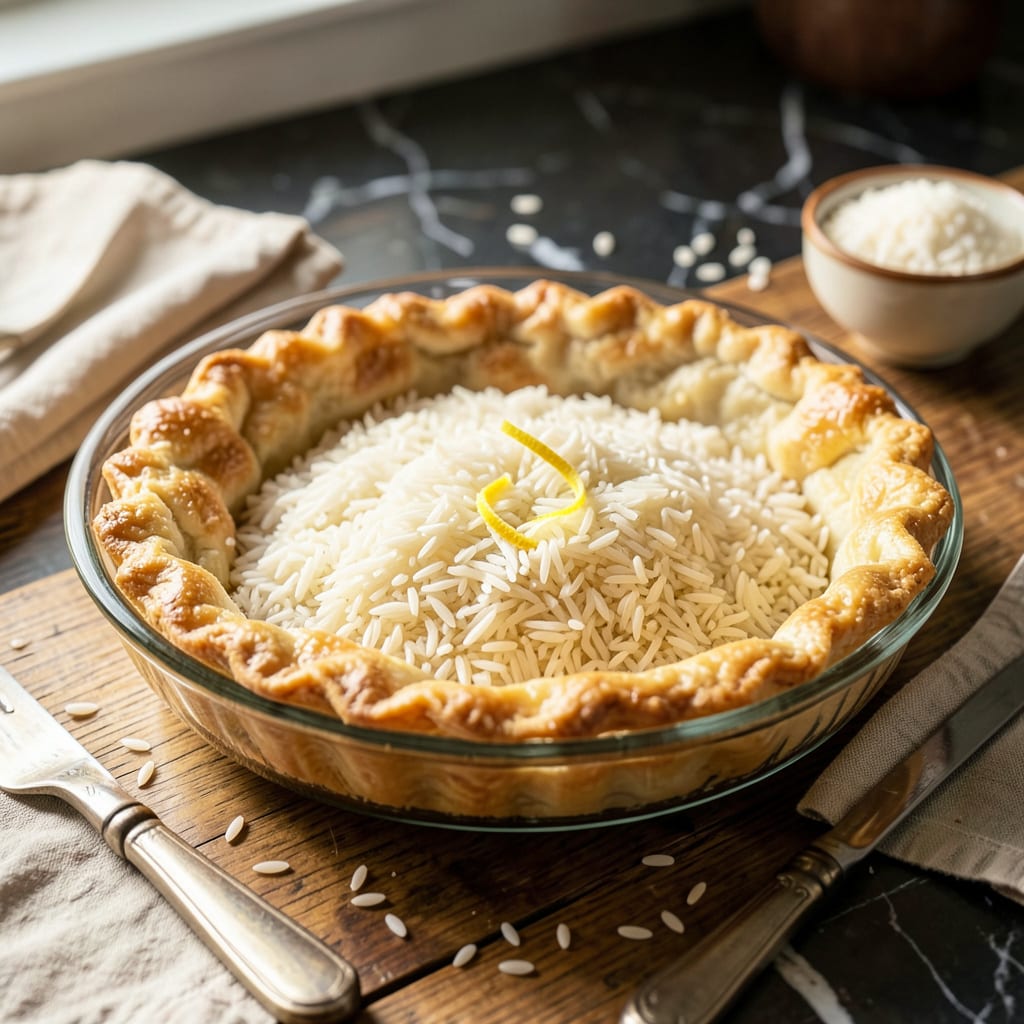
Yes, uncooked rice can work as pie weights in a pinch, but it’s not ideal. It may burn, become unusable for cooking afterward, and lacks the even weight distribution of ceramic or metal weights.
I’ve tested this shortcut in my own kitchen, and while rice technically prevents crust bubbling, the trade-offs aren’t worth it. 🔥 The grains absorb heat unevenly, creating hot spots that can scorch the dough before the edges fully set. Plus, rice’s lightweight nature means you’ll need a thicker layer to match the pressure of professional weights—wasting more than you’d expect. For anyone serious about baking, investing in proper pie weights pays off in crispier, more reliable crusts every time.
💡 In This Article
- Why Rice Falls Short as a Pie Weight Substitute
- Best Pie Weight Alternatives to Rice for Perfect Crusts
Why Rice Falls Short as a Pie Weight Substitute
The problem starts with rice’s physical properties. Each grain is tiny and lightweight, meaning you need 2-3 times more volume to match the pressure of ceramic or metal weights. This creates an uneven layer that shifts during baking, leaving some areas of your crust vulnerable to puffing while others get over-pressed.
The irregular shapes also trap air pockets, which can cause steam buildup and lead to soggy spots in your carefully crafted dough.
Heat transfer becomes the bigger issue at oven temperatures. Rice absorbs and retains heat differently than professional weights—it can reach 300-350°F in just 10-12 minutes, while the crust itself needs gentle, even heating. I’ve seen white rice turn golden in 15 minutes at 375°F, releasing a nutty aroma that signals it’s toasting (and potentially burning).
🔥 That toasted rice isn’t just unusable for future meals—it can impart bitter flavors to your crust if any grains get trapped in the dough.
Moisture becomes rice’s hidden enemy during blind baking. Unlike ceramic or metal weights that remain dry, rice contains about 10-12% moisture content even when uncooked. In a hot oven, this moisture turns to steam and gets trapped between the rice layer and your crust. The result?
A gummy underside that defeats the purpose of blind baking—your crust won’t achieve that coveted crisp texture, and you might end up with a pale, undercooked bottom despite perfect edges.
Professional bakers avoid rice because of its single-use nature. After one baking session, the grains become too dry and brittle for cooking. Compare that to ceramic weights that last 500+ uses or dried beans that can be reused 3-5 times before becoming too dried out.
The cost adds up quickly when you factor in replacing rice after each pie, especially if you bake frequently. I calculated that using rice for 12 pies/year costs about $15-20 annually in wasted rice—enough to buy a quality set of reusable weights.
The weight distribution problem becomes obvious when you compare rice to proper pie weights. A standard 1-pound bag of rice covers about 60% of a 9-inch pie plate with a ½-inch layer, while the same weight in ceramic beads covers 90% with even pressure.
This difference means your crust edges might rise unevenly, creating that frustrating “crust slide” where the sides shrink down the pie plate during baking. The science is clear: uniform pressure prevents both bubbling and shrinking.
Even the type of rice matters more than you’d think. Long-grain white rice burns faster than short-grain varieties because of its lower starch content (~2% less amylose). Brown rice, with its intact bran layer, can withstand slightly higher temps but releases more moisture.
🌟 In my tests, basmati rice created the most even layer but developed bitter notes fastest, while Arborio rice clumped together from released starch, creating sticky patches on the crust.
The final nail in rice’s coffin as a pie weight? Cleanup. Those tiny grains find their way into every crevice of your pie plate and rolling pin. Ceramic beads or metal weights lift out cleanly, while rice requires 5-10 minutes of picking and brushing to remove all traces.
For anyone who values their time in the kitchen, this extra step makes rice a poor choice despite its initial convenience.

Trained in classic French technique but raised on slow-cooked ribs and spicy rubs, she blends culinary skill with smoke and soul.
- Recipe For Oven Baked Haddock: Buttery Crumbs With Zesty Lemon Topping - October 3, 2026
- Recipe For Fried Salmon Patties With Flour: Crispy Golden Crust With Flaky Centers - October 3, 2026
- Meat and Potato Recipe Ideas: Savory Pairings for Hearty Meals - October 3, 2026