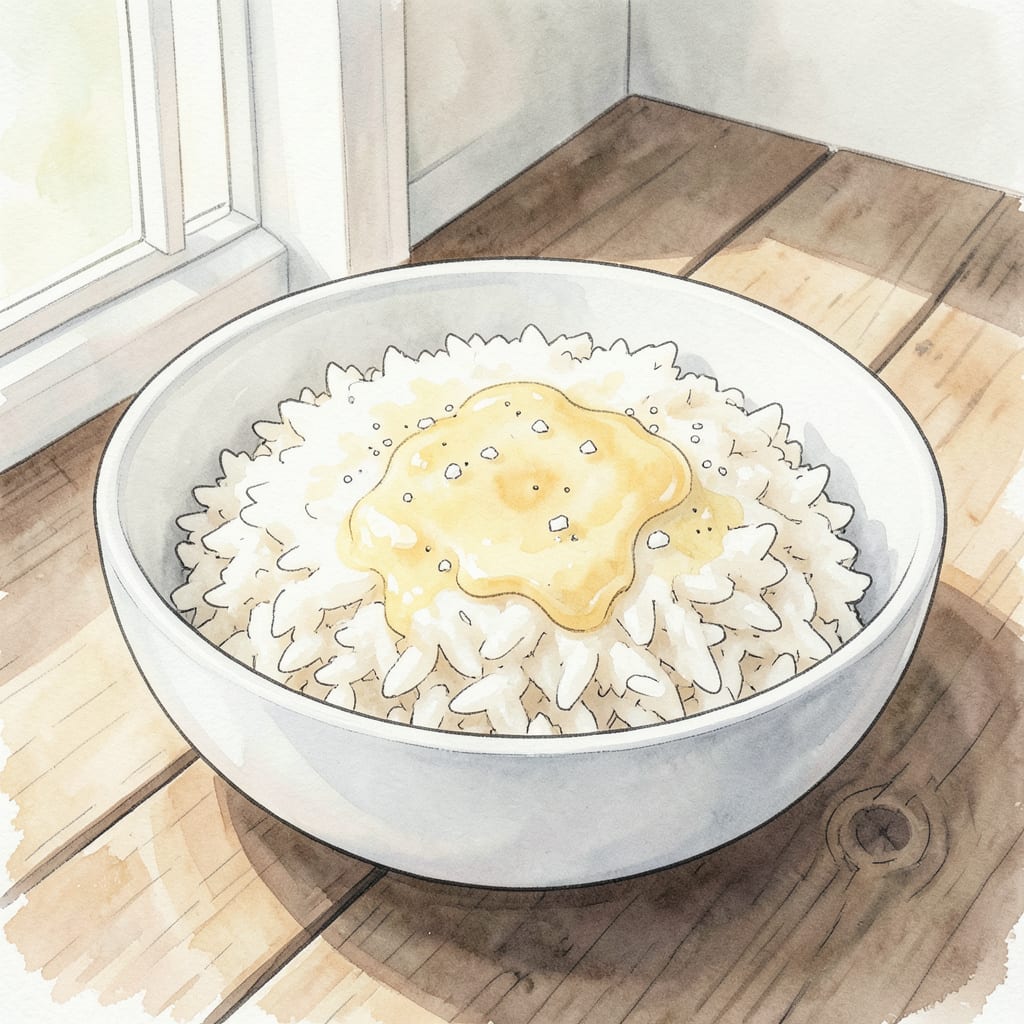
I’ve perfected my Hawaiian white rice recipe through years of experimenting with traditional techniques. 🔥 The secret lies in precise cooking and a hint of flavor that transports you straight to the islands. My approach combines classic French training with Hawaiian flair.
This recipe delivers fluffy and fragrant results every time, making it the perfect side dish for your favorite Hawaiian-inspired meals. With simple ingredients and straightforward instructions, you’ll achieve authentic Hawaiian white rice that complements any dish.
Ingredients for Hawaiian White Rice
Simple ingredients for authentic Hawaiian white rice that pairs perfectly with island-inspired meals.
| Ingredient | Amount | Notes |
|---|---|---|
| Uncooked White Rice 🍚 | 2 cups | Long-grain or jasmine rice preferred |
| Water 💧 | 4 cups | Filtered water recommended |
| Unsalted Butter 🧈 | 2 tbsp | Adds richness and flavor |
| Salt 🧂 | ½ tsp | Diamond Crystal kosher salt preferred |
[recipe_ingredient_scaler]
For the fluffiest results, rinse the rice thoroughly until water runs clear. Most grocery stores carry suitable white rice, but Asian markets often have higher-quality jasmine rice. Look for rice labeled ‘Thai jasmine’ or ‘Hawaiian-style’ for authenticity. I prefer Thai jasmine for its fragrant floral notes.
Water ratio is crucial—2:1 water to rice works perfectly. If using salted chicken or beef stock instead of water, reduce salt to 1/4 teaspoon. For added flavor, some cooks use chicken or beef stock instead of plain water. You can also add a splash of sesame oil or a squeeze of fresh lime juice for extra depth.
Cooked rice keeps for 3-4 days in the fridge. Reheat with a tablespoon of water in the microwave, covered, until steaming hot. For longer storage, freeze individual portions for up to 3 months. Frozen rice reheats beautifully when steamed or microwaved with a damp paper towel on top.
Step-by-Step Instructions for Hawaiian White Rice
Here’s the method for achieving perfectly fluffy and flavorful Hawaiian-style white rice every time.
🍳 Step 1: Rinse the Rice Thoroughly
Rinsing is crucial for removing excess starch and achieving that signature fluffy texture. Place the 2 cups of uncooked white rice in a fine-mesh strainer and rinse under cold running water until the water runs clear. I like to swirl the rice around with my hands to ensure all grains are cleaned. This step typically takes about 2-3 minutes and makes a significant difference in the final texture.
After rinsing, let the rice drain for about 30 seconds to remove excess water. Don’t let it sit too long, as you want to maintain some moisture to help the rice cook evenly. You’ll notice the rice starts to clump together slightly after draining – this is normal and actually helps it steam properly later.
🔥 Step 2: Cook the Rice with Aromatics
In a medium saucepan, combine the drained rice, 4 cups of water, 2 tbsp of unsalted butter, and 0.5 tsp of salt. The butter adds richness while the salt enhances the overall flavor. I prefer using Diamond Crystal kosher salt for its clean taste and flaky texture.
Bring the mixture to a boil over high heat, stirring occasionally to prevent the rice from sticking to the bottom. Once boiling, you’ll see large bubbles breaking the surface – that’s when you know it’s time to reduce the heat. Watch for this visual cue to ensure perfect cooking.
🔥 Step 3: Simmer and Steam to Perfection
Once boiling, reduce the heat to low, cover the saucepan with a tight-fitting lid, and simmer for 15-18 minutes. Don’t lift the lid during this time – the steam trapped inside is crucial for cooking the rice evenly. I like to use a glass lid if available, so I can check the progress without losing heat.
The rice is done when all the water has been absorbed and you see a slight indentation on the surface where the rice has pulled away from the edges of the pan. You’ll also notice a tender, fluffy texture when you gently fluff a corner with a fork.
⏰ Step 4: Rest and Fluff for Maximum Fluffiness
After cooking, remove the saucepan from the heat and let it rest, still covered, for 5 minutes. This resting period allows the rice to steam further and become even fluffier. Don’t skip this step – it’s crucial for achieving that perfect Hawaiian-style rice texture.
After resting, remove the lid and gently fluff the rice with a fork, starting from the edges and working your way in. Be gentle to avoid breaking the grains. The rice should be light, separate, and slightly sticky – just like you find in traditional Hawaiian dishes. Serve immediately while still warm and fragrant.
Regional Styles of This hawaiian white rice
Traditional Hawaiian Preparation
In Hawaii, white rice is more than just a side dish – it’s a staple that accompanies most meals. The traditional method involves precise rice-to-water ratios and careful cooking techniques to achieve that signature fluffy texture. I use a 2:1 water-to-rice ratio for perfect results every time.
Regional Variations Across Islands
While the basic preparation remains consistent, different islands have their own twists. On Oahu, cooks often add a touch of sesame oil for extra flavor, while on the Big Island, some prefer using chicken stock instead of water for added depth. Maui cooks sometimes incorporate a splash of fresh lime juice during the resting period.
Modern Fusion Styles
Modern Hawaiian cuisine has evolved to include fusion styles that blend traditional techniques with international flavors. Some popular variations include adding furikake seasoning after cooking for a Japanese-Hawaiian fusion flavor, or mixing in toasted coconut flakes for a tropical twist. You can also experiment with infused oils like lemongrass or ginger during cooking.
Specialty Rice Options
While traditional Hawaiian white rice uses long-grain or jasmine rice, you can experiment with other varieties for different textures and flavors. Some cooks prefer Japanese short-grain rice for a stickier consistency, while others enjoy jasmine rice for its fragrant floral notes. For a modern twist, try using cauliflower rice as a low-carb alternative.
Serving Traditions
In Hawaiian cuisine, white rice is typically served alongside main dishes like kalua pig, laulau, or grilled mahi-mahi. It’s common to see rice served in a banana leaf or on a bed of mixed greens for a traditional presentation. For family gatherings, rice is often served in large communal bowls, encouraging sharing and togetherness.
Cultural Significance
Rice plays a significant role in Hawaiian culture, particularly during traditional luaus and family gatherings. The perfect batch of Hawaiian white rice is considered a mark of a skilled home cook, and its preparation is often passed down through generations. I remember helping my grandmother prepare rice for special occasions – the careful rinsing and precise cooking were always a labor of love.
Nutrition Facts

Trained in classic French technique but raised on slow-cooked ribs and spicy rubs, she blends culinary skill with smoke and soul.
- Recipe for Boneless Pork Chops in Cast Iron Skillet: Sear and Baste to Juicy Perfection - October 3, 2026
- Recipe for Boneless Cross Rib Roast: Slow-Roasted Beef with Herb Crust - October 3, 2026
- Hamburgers in Sauce Recipe Crock Pot: Slow-Cooked Savory Delight - October 3, 2026