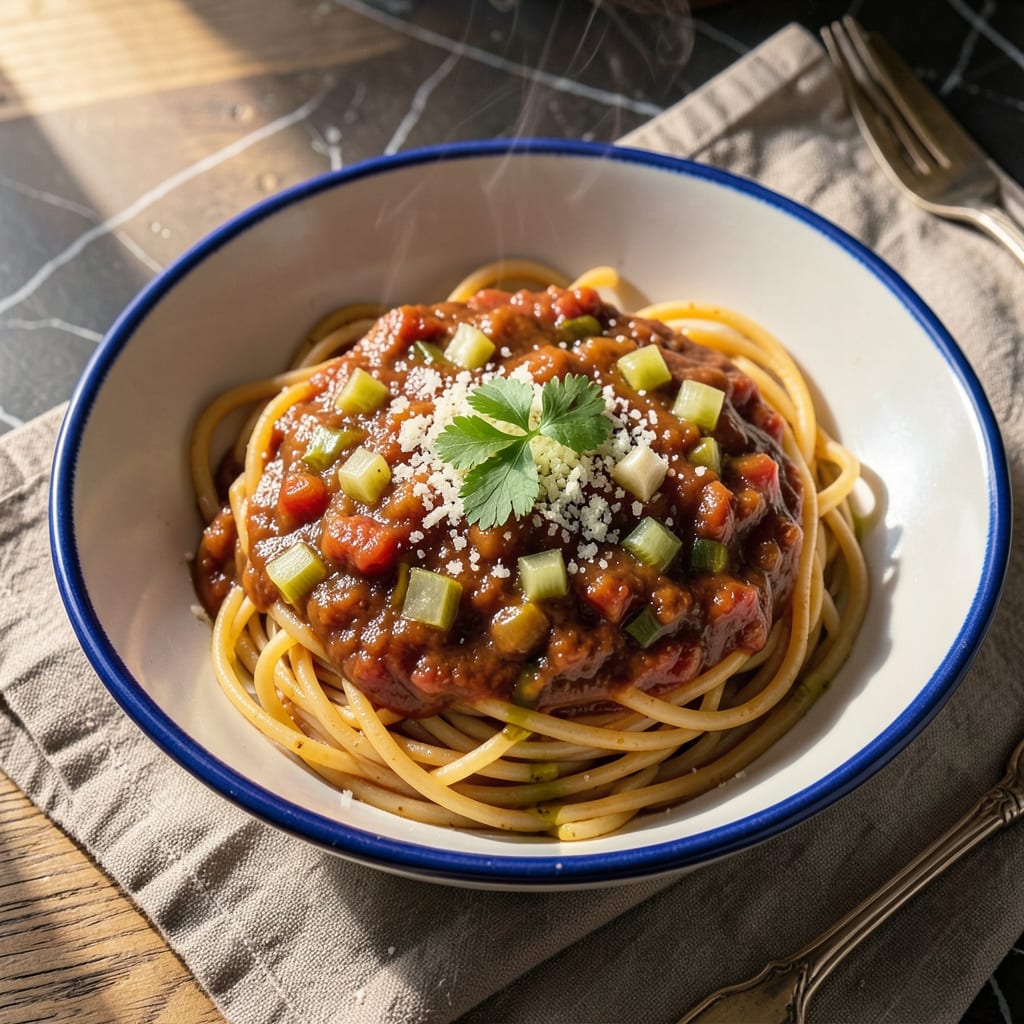
I’ll be real with you: celery in spaghetti sauce isn’t just filler—it’s the quiet hero that builds layers of flavor you didn’t even know were missing. That first time I added it to my simmering tomatoes, the difference was shocking. Suddenly, the sauce had this deep, aromatic richness that made every bite taste like it had been cooking all day.
The magic happens when you sauté celery with onions and garlic until everything turns golden and sweet. Those soft, flavor-packed pieces melt into the sauce as it simmers, adding an earthy backbone that balances the tomatoes’ acidity. No fancy techniques needed—just patience and a good wooden spoon to stir everything together.
What you end up with is a sauce that’s complex enough for Sunday dinner but simple enough for a Tuesday night. The celery doesn’t announce itself—it just makes everything taste better, like the best supporting actor in a movie. I’ve been making sauce this way for years, and once you try it, you’ll never skip the celery again.
This version keeps well in the fridge for a week and freezes beautifully for months. Use it on pasta, polenta, or even as a pizza base. Here’s how to make that flavor transformation happen in your own kitchen.
📚 In This Guide
- What You’ll Need
- Instructions
- Tips and Common Mistakes
What Youll Need
- ● Fresh ingredients: 1 large celery stalk (or 2 small), finely diced (~½ cup) 🌱
- ● 1 medium yellow onion, diced (~1 cup)
- ● 3 garlic cloves, minced
- ● 1 (28 oz) can San Marzano whole peeled tomatoes (or high-quality crushed tomatoes)
- ● 2 tbsp tomato paste
- ● ½ cup fresh basil leaves, chopped (or 1 tbsp dried)
- ● 1 tsp fresh oregano (or ½ tsp dried)
- ○ Optional: ½ cup red wine (dry, like Chianti) for depth
- ● Pantry staples: 2 tbsp extra-virgin olive oil
- ● 1 tsp salt (adjust to taste)
- ● ½ tsp black pepper
- ○ ½ tsp red pepper flakes (optional for heat)
- ● 1 tsp sugar (balances acidity)
- ● Tools: Large saucepan or Dutch oven (3–4 quart capacity)
- ● Wooden spoon for stirring
- ● Chef’s knife & cutting board
- ○ Immersion blender (optional, for smooth texture)
- ● Measuring cups/spoons
- ● Prerequisites: Basic knife skills (or pre-chopped veggies to save time ⏰)
- ● Patience! Simmering for 45–60 minutes develops the best flavor.
Instructions
Here’s how to transform simple ingredients into a rich, layered sauce that will elevate your pasta night.
Prepare the Celery and Aromatics
Start by washing and drying your celery stalks thoroughly. I like to use the inner, lighter green stalks for this recipe as they’re more tender and have a milder flavor. Trim off the leafy tops and the very bottom, then cut the stalks into ¼-inch dice—small enough to melt into the sauce but large enough to contribute texture.
While you’re working, keep the diced celery in a bowl of cold water to prevent browning. This also helps crisp it up, which means it will hold its shape better during cooking. You’ll want about 1 cup of diced celery for every 4 servings of sauce. Don’t skip this prep step—properly cut celery integrates beautifully into the sauce rather than standing out as stringy bits.
Build the Flavor Base
Heat 2 tablespoons of olive oil in a large, heavy-bottomed pot over medium-low heat. When the oil shimmers but doesn’t smoke, add your diced celery along with equal parts diced onion and carrot. This classic mirepoix combination creates the foundation of flavor for your sauce.
Cook the vegetables gently for 8-10 minutes, stirring occasionally, until they become translucent and soft but haven’t taken on any color. You’ll notice the celery becomes tender and the kitchen fills with a sweet, vegetal aroma. This slow cooking process allows the celery to release its natural umami compounds that will deepen your sauce’s flavor profile.
Develop the Sauce with Tomatoes
Add 4 cloves of minced garlic to the pot and cook for just 30 seconds until fragrant—don’t let it brown. Immediately pour in your crushed tomatoes (about 28 ounces for 4 servings) and stir well to combine with the cooked vegetables.
Bring the mixture to a gentle simmer, then reduce the heat to low. Let it cook uncovered for 30-45 minutes, stirring occasionally. You’ll see the sauce darken slightly and thicken as the celery and other vegetables break down and meld with the tomatoes. The celery’s earthy notes will balance the acidity of the tomatoes, creating a more complex, rounded flavor.
Finish and Balance the Flavors
After the sauce has simmered, taste and adjust the seasoning. I typically add 1 teaspoon of salt and ½ teaspoon of black pepper, but you may need more depending on your tomatoes. The celery will have absorbed some salt during cooking, so add gradually.
For a final touch, stir in 2 tablespoons of tomato paste to intensify the richness and 1 teaspoon of dried oregano for herbal depth. Let the sauce simmer for another 5 minutes to allow these final ingredients to incorporate. The celery should be completely tender by now, its fibers softened into the sauce while still contributing its distinctive savory character.
Rest and Serve
Remove the sauce from heat and let it rest for 10 minutes before serving. This resting period allows all the flavors to meld together completely. You’ll notice how the celery has transformed—no longer a distinct vegetable, but now an integral part of the sauce’s complex flavor base.
Toss the sauce with your cooked spaghetti, ensuring each strand gets coated with the rich, celery-infused tomato mixture. The celery’s contribution becomes apparent in the sauce’s depth and body—it’s the secret ingredient that makes people ask, “What makes this sauce so good?” without ever guessing it’s the humble celery doing the heavy lifting.
Tips and Common Mistakes
Here’s what I’ve learned from years of perfecting this sauce—small details that make a world of difference.
Celery Prep Secret: In Step 1, don’t skip soaking the diced celery in cold water. This isn’t just about preventing browning—it actually plumps up the celery fibers so they hold their shape during the 8-10 minutes of cooking in Step 2. I’ve found this makes the difference between celery that disappears into mush and celery that melts beautifully into the sauce while still contributing texture.
Heat Control Matters: When cooking the mirepoix in Step 2, keep that heat at medium-low as specified. I know it’s tempting to rush, but higher heat will caramelize the vegetables too quickly, giving you sweetness instead of that deep, savory umami we want. The gentle 8-10 minute cook time allows the celery to release its natural compounds gradually, building layers of flavor.
Simmer Strategy: During the 30-45 minute simmer in Step 3, resist the urge to stir constantly. Let the sauce develop a gentle “plop-plop” rhythm where bubbles break slowly at the surface. This low, steady simmer is what transforms the celery from distinct vegetable pieces into the rich, integrated flavor base that makes this sauce special. Stir just often enough to prevent sticking—about every 10 minutes works perfectly.
Resting Revelation: That 10-minute rest in Step 5 isn’t optional. I learned this the hard way after serving sauce straight from the pot—it tastes good, but not amazing. The resting period lets the celery’s earthy notes fully marry with the tomatoes. You’ll actually see the sauce thicken slightly and the colors deepen during these final minutes off the heat.
Pro Tips for Celery In Spaghetti Sauce
- Here’s what I’ve learned from years of perfecting this sauce—small details that make a world of difference.
- Celery Prep Secret: In Step 1, don’t skip soaking the diced celery in cold water. This isn’t just about preventing br…
- Heat Control Matters: When cooking the mirepoix in Step 2, keep that heat at medium-low as specified. I know it’s tem…
Frequently Asked Questions
Why do chefs add celery to spaghetti sauce?
Celery adds a subtle earthy sweetness and depth to sauce, balancing acidity from tomatoes. Its natural sodium enhances other flavors without overpowering them—like a secret umami booster! Plus, it softens completely when cooked, so you won’t notice texture. Think of it as the “backbone” of a rich, layered taste.
Should I remove celery before blending the sauce?
Nope! Celery becomes tender after simmering (45+ minutes) and blends smoothly into the sauce. If you prefer a chunk-free texture, use an immersion blender or food processor—just strain it only if you dislike even the smallest fibers. Most recipes keep it in for maximum flavor!
What can I substitute if I hate celery or don’t have any?
Try fennel bulb (milder anise flavor) or carrots (for sweetness). For depth, add a pinch of celery seed (¼ tsp per 4 cups sauce) or a dash of Worcestershire sauce. Avoid skipping entirely—your sauce might taste flat without that savory base.
How long should celery cook in the sauce?
Simmer celery with onions/garlic in olive oil for 5–7 minutes until soft, then add tomatoes and simmer 30–60 minutes. Undercooked celery tastes bitter; overcooked turns mushy. Pro tip: Cut it into ¼-inch dice for even cooking!
My sauce tastes bitter—did the celery ruin it?
Bitterness usually comes from undercooked celery or burnt garlic, not the celery itself. Fix it by: 1) Simmering 10+ more minutes, 2) adding a pinch of sugar or butter, or 3) balancing with a splash of red wine. Taste as you go!
Adding celery to your spaghetti sauce might just be the game-changer your recipe needs! 🌿 This humble veggie brings a subtle earthy sweetness and depth that balances acidity and enhances every bite. Whether you’re a seasoned cook or a kitchen newbie, it’s an easy trick to elevate your sauce with minimal effort.
Ready to give it a try? Grab a stalk of celery and experiment with your next batch—your taste buds (and dinner guests) will thank you! For more flavor-boosting tips, check out our guide on herbs that pair perfectly with tomato sauces.

Trained in classic French technique but raised on slow-cooked ribs and spicy rubs, she blends culinary skill with smoke and soul.
- Recipe for Boneless Pork Chops in Cast Iron Skillet: Sear and Baste to Juicy Perfection - October 3, 2026
- Recipe for Boneless Cross Rib Roast: Slow-Roasted Beef with Herb Crust - October 3, 2026
- Hamburgers in Sauce Recipe Crock Pot: Slow-Cooked Savory Delight - October 3, 2026