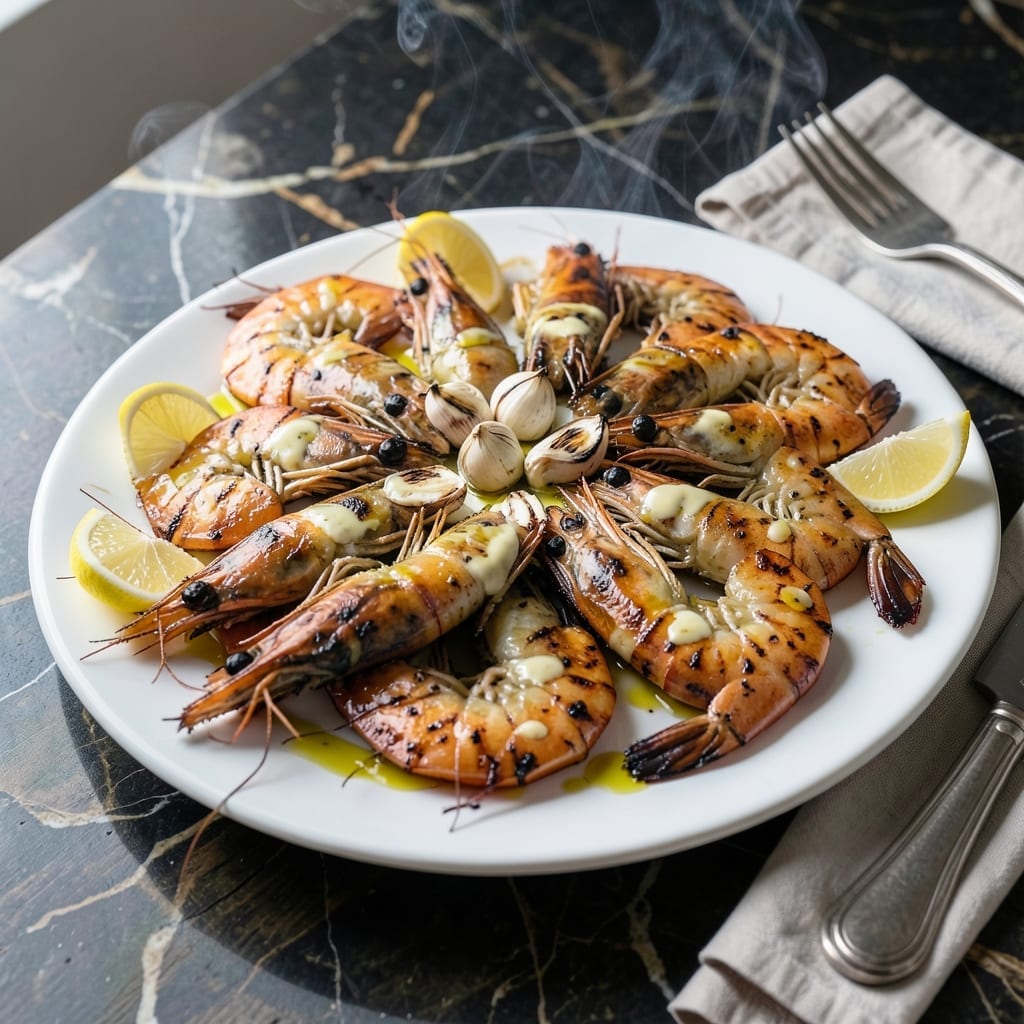
Nothing beats the smoky depth charcoal imparts to seafood, especially shrimp. This method captures that restaurant-quality flavor using simple techniques and high heat to lock in juiciness and create a charred exterior.
I learned early that the secret lies in proper grill setup and precise timing. A two-zone fire allows you to sear shrimp quickly over direct heat, then finish them gently without overcooking. The garlic-butter baste adds richness that complements the natural sweetness of the shrimp.
You’ll achieve perfectly cooked shrimp with a subtle smokiness that can’t be replicated indoors. The charcoal’s heat creates a crisp edge while keeping the interior tender and moist, making every bite satisfyingly complex.
Serve these as an appetizer or main course. The result is always impressive.
Ingredients for Charcoal Grilled Shrimp
Simple ingredients, restaurant-quality flavor with charcoal-kissed shrimp and garlic-butter baste.
| Ingredient | Amount | Notes |
|---|---|---|
| Large Shrimp 🍤 | 1 ½ lb | Peeled, deveined, tails on |
| Unsalted Butter 🧈 | ½ cup | Melted for basting |
| Garlic Cloves 🧄 | 6 cloves | Minced for garlic butter |
| Fresh Lemon Juice 🍋 | 2 tbsp | For brightness and acidity |
| Extra-Virgin Olive Oil 🫒 | 2 tbsp | For brushing grill grates |
| Kosher Salt 🧂 | 1 ½ tsp | Divided for seasoning |
| Freshly Ground Black Pepper 🌶️ | 1 tsp | For seasoning shrimp |
| Smoked Paprika 🌶️ | 1 tsp | For smoky depth |
| Cayenne Pepper 🔥 | ¼ tsp | Optional for heat |
| Fresh Parsley 🌿 | ¼ cup | Chopped, for garnish |
| Lemon Wedges 🍋 | 4 pieces | For serving |
| Charcoal Briquettes 🔥 | 40 pieces | For two-zone fire setup |
[recipe_ingredient_scaler]
The shrimp are everything here. Wild-caught Gulf shrimp (16-20 count per pound) give the best texture and flavor. Look for firm, translucent flesh with no fishy odor. I grab mine from Whole Foods—they’re usually stocked fresh daily. If frozen, thaw in cold water with a pinch of salt (mimics seawater). The charcoal? Lump charcoal burns hotter and cleaner than briquettes, but either works for this.
No fresh parsley? Cilantro or chives add a nice pop of color. Out of lemon? Lime juice at a 1:1 ratio does the trick. For a spicier kick, double the cayenne or add red pepper flakes. The garlic butter can be swapped for ghee if you’re avoiding dairy (though this recipe is pescatarian-friendly). Want extra smokiness? Toss in a handful of wood chips soaked in water.
Shrimp cook fast—keep them on ice until grilling. Charcoal can be reused if cooled properly. The garlic butter keeps in the fridge for 3 days or freezes for 1 month. Leftovers? Toss them in a salad or tacos the next day.
Why You’ll Love This Recipe
- 20-Minute Meal: I toss the shrimp with oil, garlic, and lemon, then grill—dinner’s ready before the coals cool.
- Buttery Garlic Punch: The butter melts into the shrimp over the charcoal, and the garlic gets this sweet, smoky edge that’s just ridiculous.
- Crowd Pleaser: I’ve served this at backyard parties and weeknight dinners—everyone from picky kids to seafood snobs cleans their plate.
- Budget Grill Hero: A pound of shrimp and a few pantry staples feed four, and honestly, it feels like a fancy meal without the price tag.
Step-by-Step Instructions for Charcoal Grilled Shrimp
Here’s the method I use to get perfect smoky, juicy shrimp every time.
Step 1: Set Up Your Two-Zone Charcoal Fire
Arrange 40 pieces charcoal briquettes in your grill, pushing them to one side to create a hot zone and leaving the other side empty for indirect heat. This setup gives you the flexibility to sear and finish cooking without charring the shrimp.
Light the coals and let them burn until covered with a thin layer of white ash, about 15-20 minutes. The temperature should reach 400-450°F on the hot side. Use a grill brush to clean the grates thoroughly—clean grates prevent sticking and ensure beautiful grill marks.
Step 2: Season the Shrimp with Bold Flavors
Pat the 1.5 lb large shrimp dry with paper towels to remove excess moisture, which helps them sear better and prevents steaming. In a large bowl, toss the shrimp with 2 tbsp extra-virgin olive oil, 1 tsp smoked paprika, 1 tsp freshly ground black pepper, and 1 tsp kosher salt.
For a hint of heat, sprinkle in the 0.25 tsp cayenne pepper. The combination of smoked paprika and cayenne gives depth and a subtle kick. Make sure each shrimp is evenly coated—this ensures consistent flavor in every bite.
Step 3: Grill the Shrimp to Perfection
Brush the grill grates with a bit more extra-virgin olive oil to prevent sticking. Place the shrimp on the hot side of the grill in a single layer, ensuring they’re not touching each other. Cook for 2-3 minutes per side until they turn opaque and pink with defined grill marks.
Don’t overcrowd the grill—this lowers the temperature and causes the shrimp to steam instead of sear. You’ll know they’re ready to flip when the edges turn white and they release easily from the grates. Transfer to the cooler side if they cook too quickly.
Step 4: Baste with Garlic-Butter and Finish
In a small saucepan, melt the 0.5 cup unsalted butter over low heat. Stir in the 6 cloves minced garlic cloves and cook for 1-2 minutes until fragrant but not browned. Remove from heat and stir in the 2 tbsp fresh lemon juice.
Transfer the grilled shrimp to the cooler side of the grill. Brush generously with the garlic butter mixture, ensuring each shrimp is well coated. Cook for another 1-2 minutes to let the flavors meld. The butter will sizzle and create a glossy, flavorful finish.
Remove the shrimp from the grill and garnish with 0.25 cup chopped fresh parsley. Serve immediately with the remaining garlic butter and 4 pieces lemon wedges on the side for squeezing over the top.
Pro Tips For Making Charcoal Grilled Shrimp
- Preheat the Coals: Get your charcoal to a high, even heat before the shrimp hit the grate—around 400°F. I learned this the hard way after serving rubbery shrimp from lukewarm coals.
- Skewer the Shrimp: Threading them onto soaked wooden skewers keeps them from falling through the grates and makes flipping a breeze. Sounds obvious, but I skipped this once and spent half the night fishing shrimp out of the fire.
- Butter Last Minute: Brush on the garlic butter mixture only during the last minute of grilling to prevent burning. After ruining a batch with bitter, charred garlic, I finally figured out the timing.
- Rest Before Serving: Give the shrimp 2-3 minutes off the heat under loose foil—they’ll stay juicier. My grandmother swore by this, and she was right, even if it’s hard to wait when they smell so good.
Storing and Reheating Leftovers
Refrigerator Storage
Let your shrimp cool for no more than 30 minutes before transferring to an airtight container. Store at 40°F or below for up to 2 days. The garlic butter will solidify, but that’s normal and adds flavor when reheated. ❄️
Freezer Storage
For longer storage, place cooled shrimp in a single layer on a baking sheet to freeze individually. Then transfer to a freezer-safe bag with parchment between layers. They’ll keep for 1-2 months without losing texture.
Stovetop Reheating
Warm shrimp in a skillet over medium-low heat with a splash of the reserved garlic butter. Heat for 2-3 minutes until just warmed through. Avoid high heat to prevent rubbery texture. 🔥
Microwave Reheating
Arrange shrimp in a single layer on a microwave-safe dish. Cover with a damp paper towel and heat on 50% power for 1-2 minutes. Check and repeat in 30-second intervals until hot.
Serving Leftovers
Reheated shrimp work great in tacos, salads, or pasta. Drizzle with fresh lemon juice and a sprinkle of parsley to revive the flavors. I often toss them into a quick scampi for a second meal.
Nutrition Facts
Frequently Asked Questions
What’s the best charcoal type for grilling shrimp?
Use lump charcoal for the hottest, cleanest burn. It lights faster than briquettes and produces less ash. Briquettes work too but may take 5-10 minutes longer to reach 400-450°F.
How do I prevent shrimp from sticking to the grill?
Clean and oil the grates thoroughly before cooking. Pat shrimp completely dry and avoid moving them for the first 2 minutes. The natural sugars in shrimp release when ready to flip.
Can I use frozen shrimp?
Yes, but thaw completely first. Submerge in cold water with 1 tbsp salt for 15-20 minutes. Pat dry before seasoning to ensure even cooking and proper searing.
Why did my shrimp turn rubbery?
Overcooking is the main culprit. Shrimp cook in just 2-3 minutes per side. Remove them when they turn opaque and pink—they’ll continue cooking off the heat.

Trained in classic French technique but raised on slow-cooked ribs and spicy rubs, she blends culinary skill with smoke and soul.
- Recipe for Boneless Pork Chops in Cast Iron Skillet: Sear and Baste to Juicy Perfection - October 3, 2026
- Recipe for Boneless Cross Rib Roast: Slow-Roasted Beef with Herb Crust - October 3, 2026
- Hamburgers in Sauce Recipe Crock Pot: Slow-Cooked Savory Delight - October 3, 2026