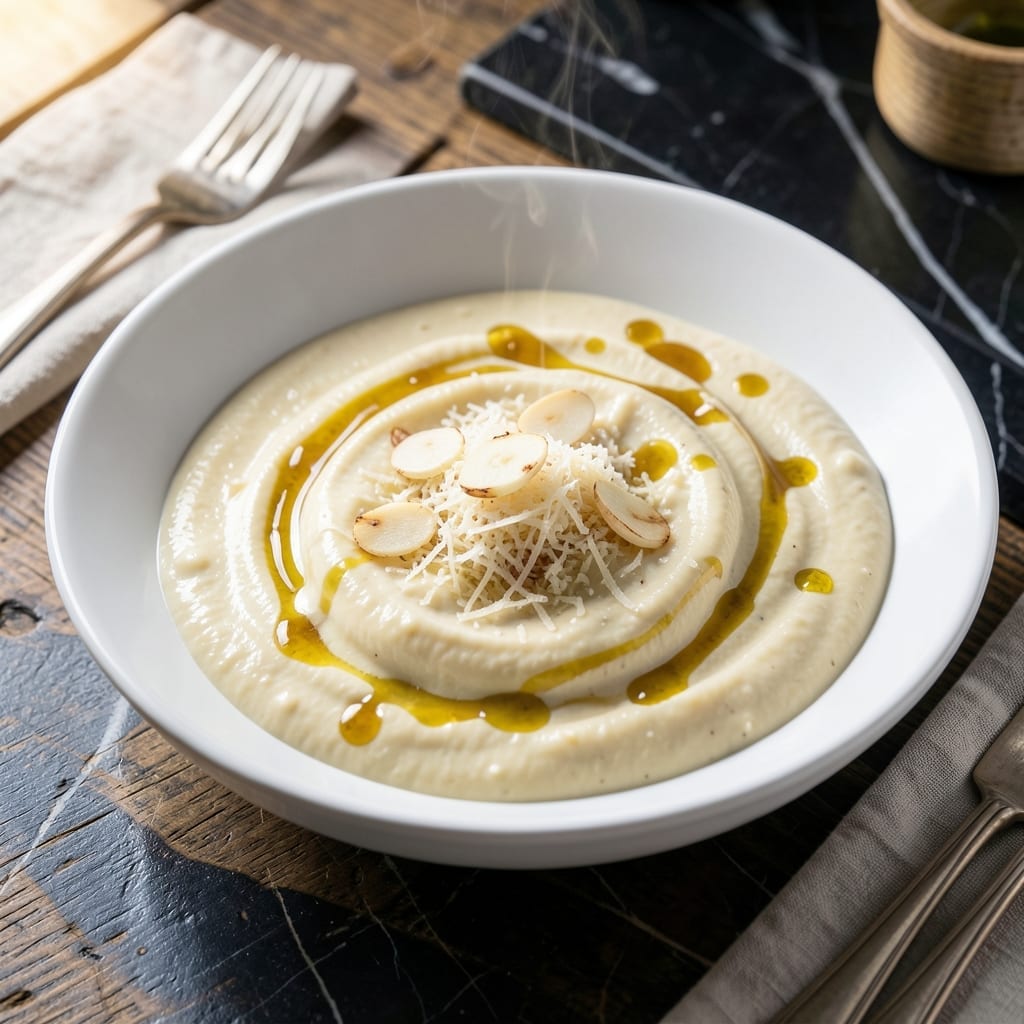
This sauce captures the restaurant’s signature richness with a silky texture that clings perfectly to pasta. I developed this version after years of reverse-engineering their famous dish.
With just a few quality ingredients and careful temperature control, you’ll achieve that creamy, parmesan-infused sauce that’s impossible to resist. The key is patience and proper cheese incorporation.
Ingredients for Cheesecake Factory Alfredo
Nine ingredients transform into that silky, parmesan-infused sauce you crave from the restaurant.
| Ingredient | Amount | Notes |
|---|---|---|
| Heavy Cream 🥛 | 2 cups | Full-fat for richness |
| Unsalted Butter 🧈 | ½ cup | Cubed for even melting |
| Parmesan Cheese 🧀 | 1 ½ cups | Freshly grated from block |
| Garlic Cloves 🧄 | 4 cloves | Minced for even distribution |
| All-Purpose Flour 🌾 | 2 tbsp | For thickening the sauce |
| Whole Milk 🥛 | ½ cup | Warmed for smooth blending |
| Salt 🧂 | ½ tsp | Kosher or sea salt |
| White Pepper 🌶️ | ¼ tsp | Freshly ground preferred |
| Nutmeg 🌰 | 0.125 tsp | Freshly grated for best flavor |
[recipe_ingredient_scaler]
The Parmesan is non-negotiable here—grab a wedge of Parmigiano-Reggiano from the deli counter (the good stuff, not the pre-shredded kind). Whole Foods or Costco have great options. The cream should be heavy, full-fat, no shortcuts. If you’re worried about lumps, warm the milk slightly before adding it to the roux. Freshly grated nutmeg makes a difference, but pre-ground works in a pinch.
No white pepper? Black pepper at half the amount is fine, but white keeps the sauce pristine. Swap the milk for half-and-half if you want it extra rich. Vegetable broth can replace milk for a lighter version (but it won’t be as creamy). If you’re out of fresh garlic, garlic powder at one-third the amount works—just bloom it in the butter first.
Sauce keeps in the fridge for 4-5 days in an airtight container. Reheat gently on low—don’t boil, or it’ll separate. Freezes for 3 months, but stir well after thawing (it might look grainy at first).
Why You’ll Love This Recipe
- One-Pot Magic: I love that this comes together in a single saucepan—no fancy equipment, just melt, whisk, and simmer.
- Garlic-Parmesan Bomb: The combination of fresh garlic and sharp Parmesan in the heavy cream base tastes just like the restaurant version.
- Pasta Night Savior: Honestly, it’s my go-to for busy weeknights when I need something rich and satisfying fast.
- Budget Luxury: A little butter and flour stretch to a velvety sauce that feels indulgent but costs pennies per serving.
Step-by-Step Instructions for Cheesecake Factory Alfredo Sauce
This method delivers that signature velvety texture with perfect balance every time.
Step 1: Create a Roux Base with Butter and Flour
Melt the 0.5 cup Unsalted Butter in a heavy saucepan over medium heat. I use a light-colored pan so I can see the color changes clearly. Once the butter stops foaming and just starts to smell nutty, it’s ready for the next step.
Whisk in the 2 tbsp All-Purpose Flour all at once. The mixture will thicken immediately into a smooth paste. Cook this roux for 1-2 minutes, stirring constantly, until it turns a pale golden yellow—this cooks out the raw flour taste and builds the sauce’s base.
Step 2: Gradually Incorporate the Dairy
Slowly pour in the 2 cups Heavy Cream while whisking vigorously to prevent lumps. I add it in a thin stream rather than all at once. The mixture will thicken as you add the cream, creating a smooth, velvety base.
Next, pour in the 0.5 cup Whole Milk in the same manner. The sauce should now look like a thick, pourable custard. Continue cooking for 3-4 minutes, stirring frequently, until the mixture coats the back of a spoon and leaves a clear path when you run your finger through it.
Step 3: Add Aromatics and Seasonings
Stir in the 4 cloves Garlic Cloves (minced) and cook for 30 seconds until fragrant. You don’t want to brown the garlic—just release its aroma. Then add the 0.5 tsp Salt, 0.25 tsp White Pepper, and 0.125 tsp Nutmeg.
The nutmeg might seem like a small amount, but it’s crucial for that authentic depth of flavor. I use freshly grated nutmeg when possible—it has a brighter, more complex flavor than pre-ground. Stir well to distribute all the seasonings evenly throughout the sauce.
Step 4: Finish with Parmesan for Ultimate Creaminess
Reduce the heat to low and gradually add the 1.5 cups Parmesan Cheese, a handful at a time, whisking constantly until each addition is fully melted. This gradual incorporation prevents the cheese from clumping and ensures a silky-smooth texture.
I always use freshly grated Parmesan from a block—pre-shredded cheese contains anti-caking agents that can make the sauce grainy. After all the cheese is incorporated, let the sauce simmer gently for 2-3 minutes to allow the flavors to meld completely. The sauce should be thick enough to coat pasta but still pourable.
Taste and adjust the seasoning if needed, though with the quality of ingredients we’re using, it should be perfect as is. Serve immediately over hot pasta for the best results.
Pro Tips For Making Cheesecake Factory Alfredo
- Low and Slow Heat: Keep the heat at medium-low when adding the heavy cream and butter—I learned this the hard way after scorching two batches. The sauce should thicken gently, not race to a boil.
- Grate Fresh Parmesan: Skip the pre-shredded stuff and grate your own Parmesan; it melts smoother and avoids that grainy texture. After burning three batches, I finally figured out the pre-shredded just doesn’t melt the same.
- Temper the Cream: Let your heavy cream sit out for 10-15 minutes before starting—cold cream can cause the sauce to seize up when it hits the hot butter and flour. Sounds weird, but it works.
- Mince Garlic Fine: Mince the garlic as fine as possible (or even paste it) so it distributes evenly and doesn’t leave harsh, undercooked bits in the sauce. My grandmother swore by this, and she was right.
Essential Equipment for cheesecake factory alfredo
Saucepan Selection
I always use a heavy-bottomed saucepan for this sauce—my go-to is a 3-quart All-Clad stainless steel pan. The heavy bottom prevents hot spots that can cause the dairy to scorch. A light-colored interior helps me monitor the roux color as it develops.
Whisk Choice
A balloon whisk is essential for creating a smooth sauce. I prefer a 10-inch whisk with a comfortable handle for constant stirring. The balloon shape helps incorporate air, which contributes to the sauce’s silky texture. Avoid wooden spoons—they don’t break up lumps as effectively.
Cheese Grater
For the Parmesan Cheese, I use a Microplane grater to get fine, even shreds that melt quickly and smoothly. The fine texture helps prevent graininess in the finished sauce. I’ve found thatbox graters can create shreds that are too thick, leading to uneven melting.
Thermometer
While not strictly necessary, I love using an instant-read thermometer to monitor the sauce temperature. The ideal range is between 160-180°F. This ensures the sauce stays hot enough to melt the cheese but not so hot that it separates. My ThermoWorks Thermapen is perfect for this. 🌡️
Double Boiler Option
If you’re nervous about scorching, a double boiler setup works beautifully. I use a heatproof bowl set over a pot of simmering water. This gentler heat gives you more control, especially when adding the cheese at the end. Just be sure the bowl doesn’t touch the water.
Storage Containers
For storing leftovers, I recommend glass containers with airtight lids. I use Pyrex because it’s easy to see the sauce and reheat it safely. Plastic can absorb odors and may not be as safe for reheating a dairy-based sauce. Always let the sauce cool completely before sealing. 💡
Nutrition Facts
Frequently Asked Questions
Can I use pre-shredded parmesan?
Not recommended. Pre-shredded contains anti-caking agents that prevent smooth melting. Always grate fresh from a Parmigiano-Reggiano block for best texture.
How do I prevent a grainy texture?
Keep heat at low when adding cheese and whisk constantly. High heat causes cheese proteins to clump. Using freshly grated cheese also helps.
What pasta pairs best with this sauce?
Wide, flat noodles like fettuccine or pappardelle hold the creamy sauce beautifully. For extra richness, try with fresh pasta.
Can I make this ahead of time?
Yes! Store in an airtight container for up to 5 days in the fridge. Reheat gently on low to prevent separation.

Trained in classic French technique but raised on slow-cooked ribs and spicy rubs, she blends culinary skill with smoke and soul.
- Recipe for Boneless Pork Chops in Cast Iron Skillet: Sear and Baste to Juicy Perfection - October 3, 2026
- Recipe for Boneless Cross Rib Roast: Slow-Roasted Beef with Herb Crust - October 3, 2026
- Hamburgers in Sauce Recipe Crock Pot: Slow-Cooked Savory Delight - October 3, 2026